
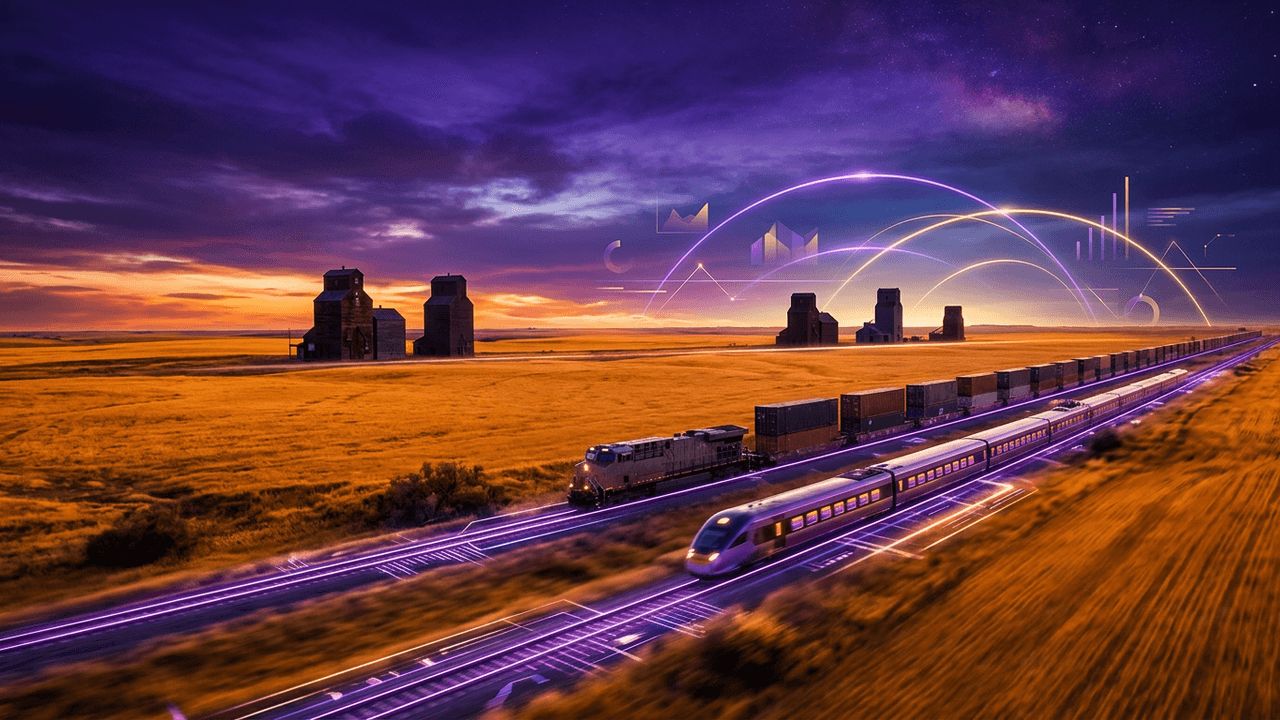
A City Built by the Railroad
Fargo owes its very existence to the railroad. The city was founded in 1871 where the Northern Pacific Railway planned to cross the Red River, and it was named after William Fargo, a director of the railway and co-founder of Wells Fargo. More than 150 years later, rail continues to shape the region, moving grain, fertilizer, energy products, and manufactured goods, while also offering passengers a scenic way to travel.
Today, the Fargo area is served by a mix of Class I railroads, regional and short-line operators, and passenger service. Here are the ten best railway operators connected to Fargo and the surrounding region.
The 10 Best Railway Operators Serving the Fargo Region
1. BNSF Railway
BNSF is the dominant freight railroad in the Fargo area and one of the largest in North America. Its main lines through Fargo carry grain, intermodal containers, coal, and industrial products. BNSF's investments in track, signaling, and technology support the agricultural and energy economies of North Dakota and Minnesota.
2. Amtrak
Amtrak's Empire Builder stops at the historic Fargo station, connecting the city with Chicago, Minneapolis-Saint Paul, Seattle, and Portland. The long-distance route offers sleeper cars, a dining car, and panoramic views of prairies, mountains, and rivers, making it a memorable alternative to flying.
3. Canadian Pacific Kansas City
Canadian Pacific Kansas City, formed by the merger of Canadian Pacific and Kansas City Southern, operates the first single-line railway linking Canada, the United States, and Mexico. Its lines in North Dakota and Minnesota provide important connections for regional shippers, particularly those trading with Canada.
4. Red River Valley and Western Railroad
Based in Wahpeton, North Dakota, the Red River Valley and Western Railroad is a regional railroad serving southeastern North Dakota. It connects grain elevators, ethanol plants, and agricultural processors to the national rail network, providing a crucial link for farmers and businesses.
5. Otter Tail Valley Railroad
The Otter Tail Valley Railroad operates in west-central Minnesota, serving communities east of the Fargo-Moorhead area. As part of the Genesee and Wyoming family of railroads, it offers reliable short-line service for agricultural and industrial customers.
6. Dakota, Missouri Valley and Western Railroad
This regional railroad operates lines across central and northern North Dakota. It moves grain, fertilizer, and other commodities, helping rural shippers reach Class I connections and national markets.
7. Northern Plains Railroad
Northern Plains Railroad serves northern North Dakota and connects agricultural communities with larger rail networks. Its focus on customer service and local knowledge makes it an important part of the state's rail system.
8. Twin Cities and Western Railroad
Operating in Minnesota, the Twin Cities and Western Railroad links agricultural regions with the Minneapolis-Saint Paul area. Its service supports grain, ethanol, and industrial shippers throughout the broader region.
9. Genesee and Wyoming
Genesee and Wyoming owns and operates many short-line and regional railroads across North America, including lines in Minnesota and the Dakotas. Its scale allows smaller railroads to benefit from shared resources, safety programs, and investment.
10. Union Pacific Interchange Partners
While Union Pacific does not operate directly in North Dakota, its extensive network connects with railroads serving the upper Midwest. Fargo shippers frequently rely on interchange agreements to move products to the western and southern United States via Union Pacific lines.
How Businesses Choose a Rail Partner
For shippers, the choice of railroad often depends on location and destination. Facilities with direct rail access, known as spurs, can work with the serving railroad to move carloads efficiently. Businesses without rail access may use transload facilities, where goods are transferred between trucks and railcars. Comparing transit times, car availability, and pricing across routes is essential for cost-effective shipping.
Rail Trends in the Region
Railroads are investing heavily in precision scheduling, positive train control, and fuel-efficient locomotives. Agricultural shippers continue to depend on rail during harvest season, when demand for grain cars peaks. Passenger rail advocates in the Midwest have also pushed for expanded service, including additional frequencies on routes linking the Twin Cities and the Dakotas. Rail remains one of the most energy-efficient ways to move heavy freight, aligning with sustainability goals.
Frequently Asked Questions
Does Amtrak stop in Fargo?
Yes. The Empire Builder stops at Fargo's downtown station, providing service east toward Minneapolis-Saint Paul and Chicago and west toward Seattle and Portland. Trains often arrive at night, so plan transportation accordingly.
Why is rail so important to the Fargo economy?
Rail moves enormous volumes of grain, fertilizer, and industrial goods efficiently over long distances. For an agricultural region like the Red River Valley, it provides a cost-effective link to national and global markets.
What is a short-line railroad?
A short-line railroad is a smaller operator that serves local or regional customers and connects them to larger Class I railroads. Short lines are vital for rural communities and agricultural shippers.
Final Thoughts
From the iconic Empire Builder to the freight trains that carry the harvest of the Red River Valley, railroads remain central to Fargo's identity and economy. Whether you are a traveler or a shipper, these railway operators keep the region connected to the rest of the continent.