
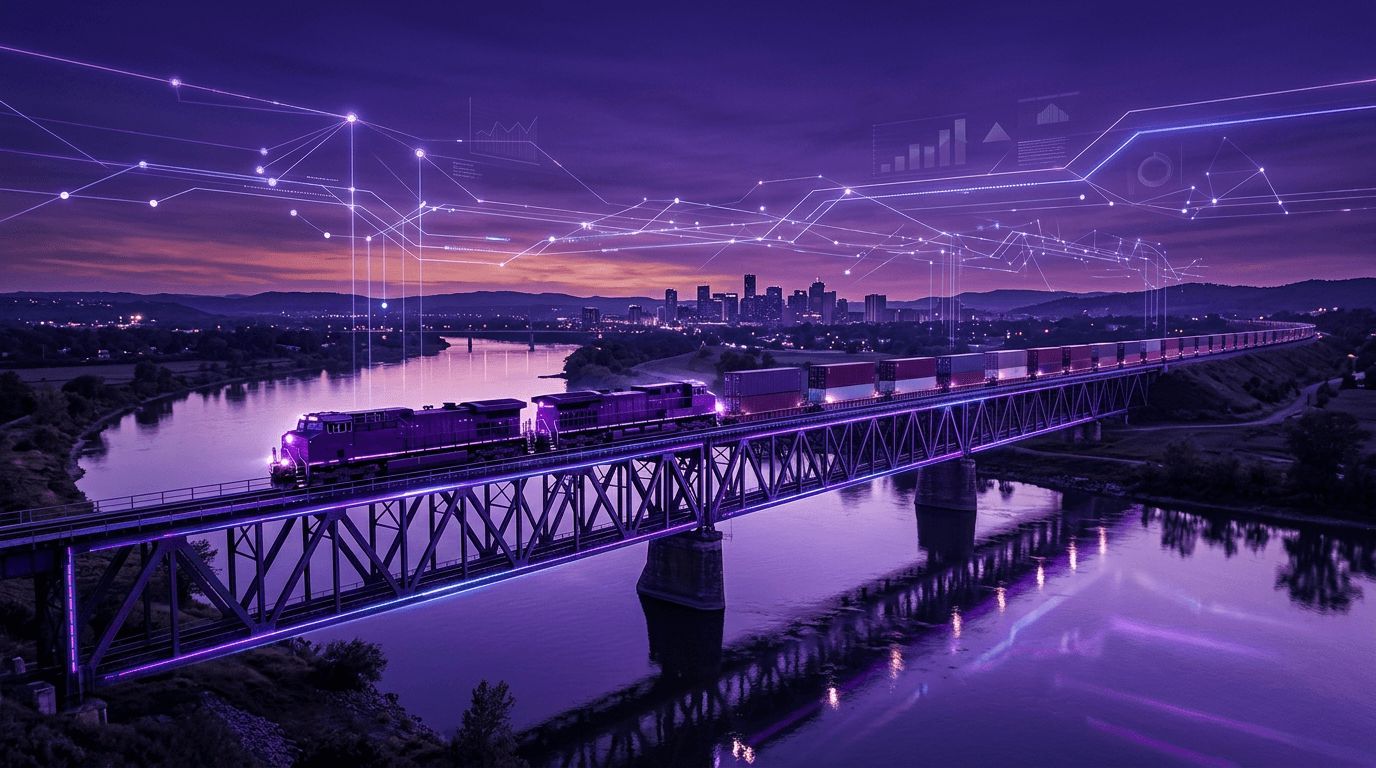
Rail Transportation and Evansville
Railroads helped shape Evansville's growth in the nineteenth century, linking river commerce with markets across the Midwest and South. Today, rail continues to play a vital role in moving coal, grain, chemicals, plastics, steel and manufactured goods through southwestern Indiana. For heavy, high-volume freight over long distances, rail is often more cost-effective and fuel-efficient than trucking.
Evansville is served directly by a major Class I railroad and by regional and short line operators, with connections to other national carriers through interchanges in the region. Passenger rail is limited, but nearby options exist for travelers. Here are ten railway operators that matter most to Evansville.
1. CSX Transportation
CSX is the primary Class I railroad serving Evansville, operating a major north-south corridor through the city that links the Chicago area with the Southeast. Its yard and network support local manufacturers, agricultural shippers and intermodal customers. CSX's scale makes it essential to the region's industrial economy.
2. Evansville Western Railway
Evansville Western Railway is a regional railroad operating west from Evansville into southern Illinois. It serves industrial customers along its line and provides connections to other carriers, offering local businesses valuable access to broader rail markets.
3. Indiana Southern Railroad
Indiana Southern Railroad operates a line through southwestern Indiana toward Indianapolis. Historically important for coal and industrial traffic, it continues to serve shippers in the region and provides connections to Class I carriers.
4. Norfolk Southern
Norfolk Southern is a major Class I railroad with an extensive network across the eastern United States. Through regional connections, Evansville-area shippers can reach Norfolk Southern's routes to the East Coast and Midwest markets.
5. Paducah and Louisville Railway
The Paducah and Louisville Railway is a regional railroad operating across western Kentucky. It connects industries south of the Ohio River with major carriers and supports traffic moving between Kentucky and the broader rail network.
6. Canadian National
Canadian National operates a major north-south line through Illinois and Tennessee. Shippers in the Evansville region can access CN's network for routes reaching the Gulf Coast and Canada through interchange connections.
7. Union Pacific
Union Pacific is the largest railroad in the western United States. Evansville shippers reach Union Pacific's network through interchanges in St. Louis and Chicago, opening access to western markets and Pacific ports.
8. BNSF Railway
BNSF operates one of the largest freight networks in North America, focused on the western half of the country. Like Union Pacific, it connects with eastern carriers at major gateways, giving Evansville freight a path to the West.
9. Genesee and Wyoming
Genesee and Wyoming owns and operates many short line and regional railroads across the country. Short lines like those in its portfolio provide the first-mile and last-mile service that connects local industries with national networks.
10. Amtrak
Amtrak does not currently stop in Evansville, but travelers can reach Amtrak stations in nearby regions for long-distance trips. Some residents drive to stations in Illinois or Indianapolis to connect with national routes. Ongoing discussions about expanded passenger rail in the Midwest keep interest in future service alive.
Rail Industry Trends
Railroads are investing in precision scheduling, fuel-efficient locomotives and digital tools for shipment tracking. Intermodal shipping, which combines rail and truck, continues to grow as shippers seek efficiency and lower emissions. While coal traffic has declined nationwide, other commodities such as plastics, chemicals, agricultural products and building materials remain important in the Evansville region.
How Businesses Can Use Rail Effectively
Companies with bulk or heavy shipments should evaluate whether their facilities have rail access or could use nearby transload facilities. Working with short line operators can simplify local service, while Class I railroads handle long-haul movement. Logistics partners can help compare rail and truck costs and design multimodal strategies that use the river, rail and highway networks together.
Frequently Asked Questions
What types of freight move by rail through Evansville?
Common commodities include coal, grain, chemicals, plastics, aggregates, steel and manufactured goods. Rail is especially efficient for heavy and bulk freight moving long distances.
What is a short line railroad?
A short line railroad is a smaller railroad that typically serves local industries and connects them with larger Class I carriers. Short lines provide essential first-mile and last-mile service that keeps rural and industrial areas connected.
Can businesses without rail sidings still ship by rail?
Yes. Transload facilities allow freight to be transferred between trucks and railcars, giving businesses without direct rail access the cost advantages of rail for long-distance movements.
Is rail shipping environmentally friendly?
Rail is one of the most fuel-efficient ways to move freight over land, producing significantly lower emissions per ton-mile than trucking. Businesses pursuing sustainability goals often shift suitable long-haul freight from highway to rail to reduce their carbon footprint.
Final Thoughts
Rail remains a quiet but powerful force in Evansville's economy. From CSX's main corridor to regional and short line operators, these railways connect local industry to markets across the continent and help the River City remain a competitive transportation hub.