
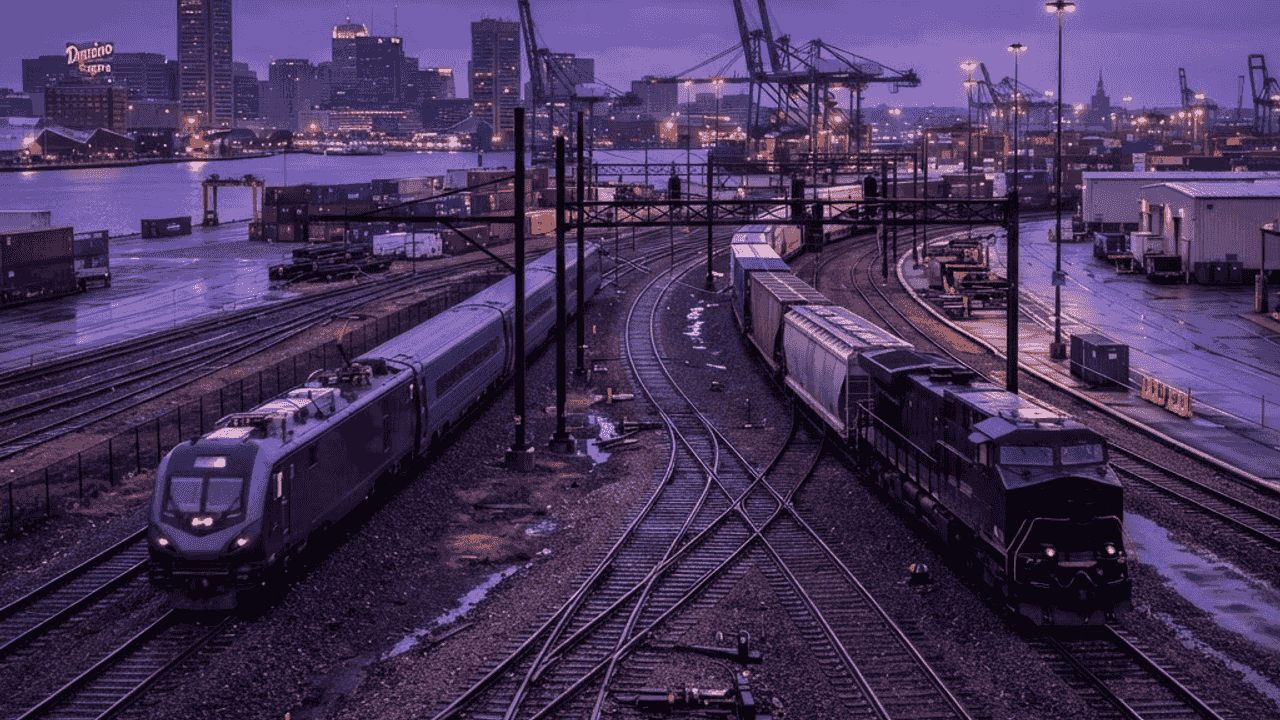
The Rich Rail Heritage of Baltimore
Baltimore holds a special place in American railroad history as the birthplace of the nation's first commercial railroad. That legacy lives on today through a network of freight and passenger operators that connect the city to the wider East Coast and beyond. Railways remain a vital artery for both economic activity and daily commuting, moving everything from coal and containers to thousands of passengers each day.
Rail transport offers unmatched efficiency for long-haul freight and provides a reliable, congestion-free option for travelers. In a city defined by its port and industrial base, dependable railway operators are essential to keeping supply chains and communities functioning smoothly.
The Role of Rail in the Regional Economy
Freight rail supports Baltimore's manufacturing, energy, and shipping sectors by carrying bulk goods over long distances at lower cost and with fewer emissions than road transport. Passenger rail, meanwhile, links Baltimore to major metropolitan centers, supporting business travel, tourism, and daily commutes. Together, these services reduce highway congestion and strengthen the region's competitiveness.
Leading Railway Operators in Baltimore
Several operators anchor the local rail scene. Chesapeake Rail Freight is a major mover of industrial goods, offering reliable service and extensive intermodal connections that link rail to trucking and port operations. Patapsco Valley Railways focuses on short-line freight, providing tailored service to manufacturers and warehouses across the metro area.
Harbor Line Transit serves commuters with dependable regional passenger connections, prioritizing punctuality and comfort. Maryland Intermodal Rail specializes in container transport, seamlessly bridging the Port of Baltimore with inland distribution centers. Old Line Railroad Company is respected for its efficient handling of bulk commodities such as aggregates and grain.
Additional standouts include Charm City Rail Services, known for flexible scheduling and strong customer relationships, and Inner Harbor Transit Authority, which supports light rail and commuter operations across key corridors. Fells Point Freight Rail offers niche switching and terminal services, while Baltimore Metro Rail Group and Patapsco Junction Lines provide vital connections that keep both cargo and passengers on schedule.
Modernization and Technology Trends
The railway industry in Baltimore is embracing modernization to improve safety and efficiency. Positive Train Control systems, automated signaling, and predictive maintenance are enhancing reliability across the network. Investments in cleaner locomotives and electrification pilots reflect a growing commitment to sustainability.
Intermodal integration is another key trend, allowing goods to shift seamlessly between ship, rail, and truck. This flexibility is especially valuable given Baltimore's role as a port city, where efficient cargo transfer directly impacts competitiveness.
The Future of Rail in Baltimore
As demand for sustainable transportation grows, rail is poised to play an even larger role in the region's future. Continued infrastructure investment and technological innovation will help operators handle rising freight volumes and expand passenger options. For businesses and travelers alike, Baltimore's railway operators offer a dependable, forward-looking foundation that honors the city's storied rail heritage while meeting the demands of a modern economy.