
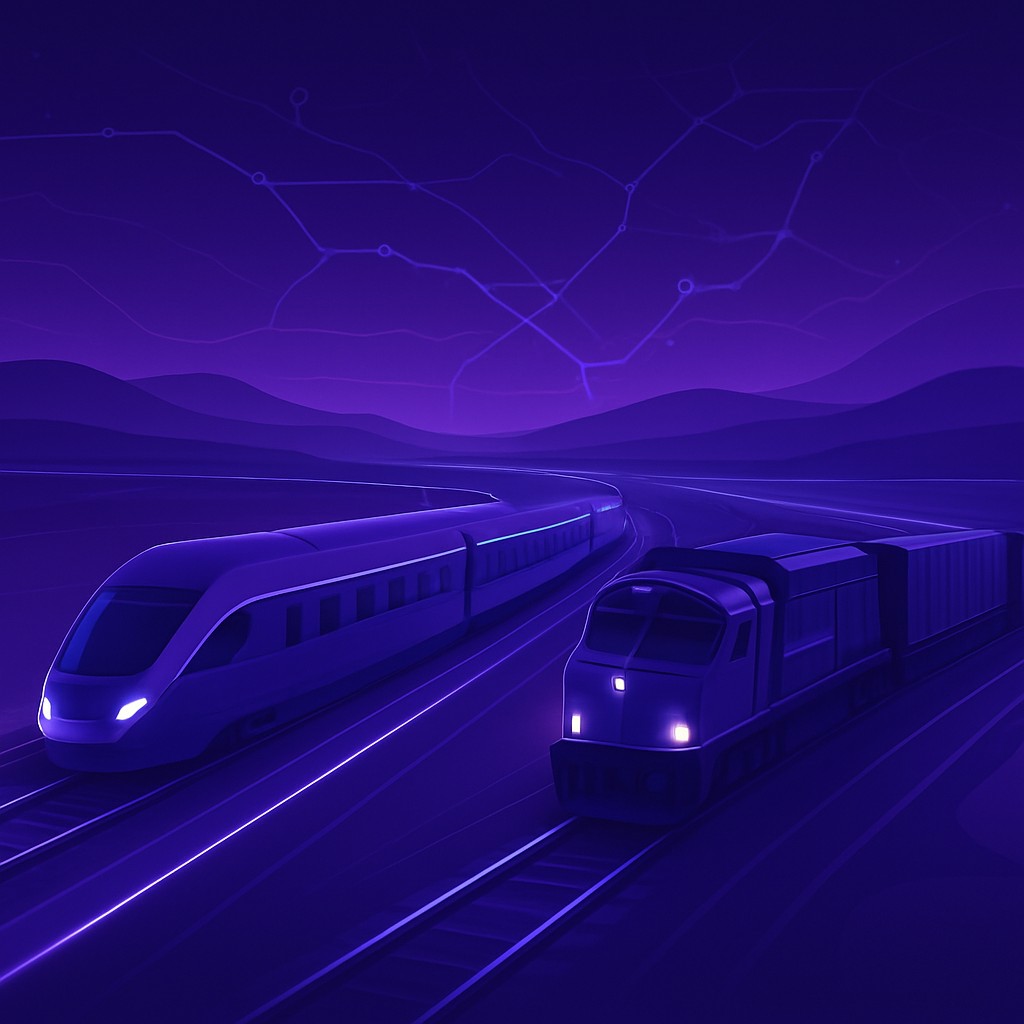
The Role of Rail in Algeria's Transport System
Railways have long been a strategic pillar of Algeria's transport infrastructure. With a network stretching across the northern coastal corridor and extending toward the high plateaus and Saharan resource regions, rail offers an efficient way to move both passengers and heavy freight. As cities grow and the economy diversifies, rail transport provides a sustainable, high-capacity alternative to congested roads, reducing travel times and supporting industrial supply chains.
The Algerian government has invested significantly in modernizing and expanding the rail system, including electrification projects, new lines, and upgraded rolling stock. These efforts aim to position rail as a backbone of national mobility and a catalyst for regional development.
What Makes a Strong Railway Operator
Leading railway operators are defined by safety, punctuality, network reach, and the quality of their rolling stock. Passenger services are judged on comfort, frequency, and connectivity, while freight operators are measured by capacity, reliability, and the ability to integrate with ports and logistics hubs. Investment in modern signaling, maintenance, and customer service also distinguishes top performers.
The Top 10 Railway Operators and Organizations
1. SNTF (Societe Nationale des Transports Ferroviaires): The national railway company is the central operator of Algeria's rail system, running passenger and freight services across the country. SNTF is the backbone of rail mobility, connecting major cities and industrial centers.
2. ANESRIF (Agence Nationale d'Etudes et de Suivi de la Realisation des Investissements Ferroviaires): This agency oversees the study and development of new rail infrastructure, playing a crucial role in expanding and modernizing the network.
3. EMA (Entreprise Metro d'Alger): Responsible for the Algiers Metro, EMA delivers modern urban rail transit that has transformed mobility in the capital with reliable, high-frequency service.
4. Setram: Operating the tramway networks in Algiers, Oran, Constantine, and other cities, Setram provides clean, efficient light rail that complements the broader transport system.
5. SNTF Freight Division: Specializing in the movement of bulk goods, minerals, and industrial cargo, this division links mining and manufacturing sites with ports and distribution centers.
6. SNTF Suburban Services: Focused on commuter rail around major metropolitan areas, these services ease urban congestion and offer affordable daily transport for workers and students.
7. Cosider Travaux Publics (Rail Construction): While primarily a construction firm, Cosider is instrumental in building and upgrading rail lines, tunnels, and stations across the country.
8. Infrarail Algeria: Engaged in rail infrastructure maintenance and engineering, this organization helps keep tracks, signaling, and stations in optimal condition.
9. ETUSA Rail Coordination: Working alongside urban transit authorities, this body coordinates rail and bus connections to create seamless multimodal journeys in major cities.
10. Regional Rail Operators: Several regional service units operate under the national framework to serve specific corridors, ensuring that smaller towns and industrial zones remain connected to the main network.
Modernization and Expansion Trends
Algeria's rail sector is undergoing substantial transformation. Electrification of key lines is improving speed and reducing emissions, while high-capacity freight corridors are being developed to support mining and export industries. Urban rail, including metros and tramways, continues to expand, offering city dwellers reliable alternatives to road travel. Digital ticketing and improved scheduling systems are also enhancing the passenger experience.
The Benefits of Rail Transport
Rail offers numerous advantages for Algeria. It moves large volumes of goods and people efficiently, reduces road congestion, and lowers carbon emissions compared with road transport. For freight, rail provides a cost-effective solution for long-distance bulk movement, particularly for minerals, cement, and agricultural products. For passengers, it delivers safe, comfortable, and increasingly punctual travel.
Conclusion
Railway operators and supporting organizations form a vital network that underpins Algeria's mobility and economic development. From the national SNTF to specialized urban transit operators, these entities are driving the country toward a more connected and sustainable future. With continued investment in modernization and expansion, rail is set to play an even greater role in linking Algeria's people, industries, and markets.