
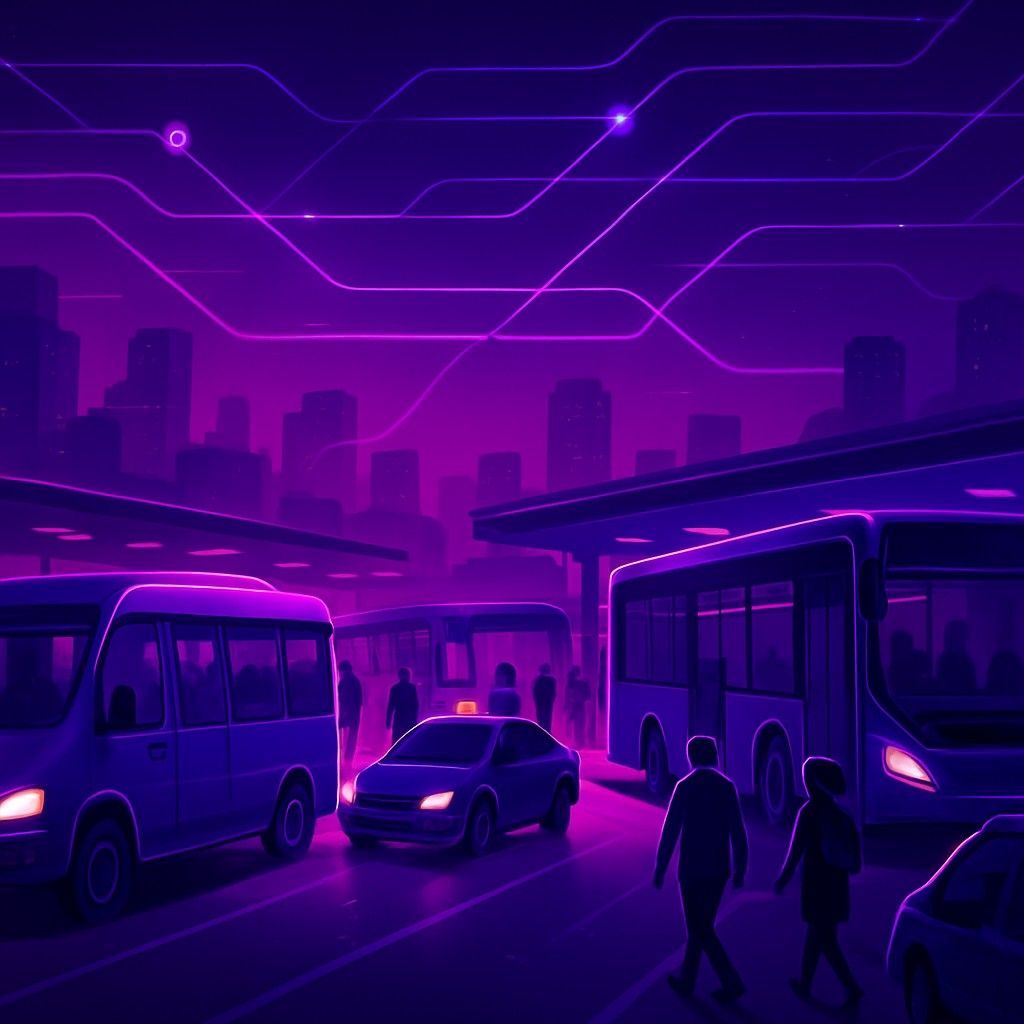
Keeping Zambia Moving Every Day
Public transit is the lifeblood of daily mobility in Zambia, carrying millions of commuters, students, traders, and travellers to work, school, and market. In a country where private car ownership remains limited, affordable and accessible public transport is essential to economic activity and social life. From the ubiquitous minibuses of Lusaka to inter-town coaches and emerging organised transit systems, public transport touches nearly every aspect of Zambian life.
The sector is dynamic and evolving, blending long-established informal services with newer, more structured options. Understanding the landscape helps commuters make informed choices and highlights the providers and systems working to improve urban and rural mobility. The following services and operators are central to public transit in Zambia.
Minibuses: The Backbone of Urban Transit
Minibuses are the most recognisable form of public transport in Zambia's cities. Coordinated largely through associations such as the Bus and Taxi Owners Association of Zambia, these vehicles operate on fixed routes radiating from central bus stations to residential compounds and suburbs. Their frequency and affordability make them indispensable for the majority of urban commuters.
Major termini such as Lusaka's Intercity Bus Terminus and the city's network of route-based minibus stations serve as organising hubs where commuters connect to destinations across the city. Despite challenges with congestion and standardisation, minibuses remain the workhorse of urban transit, offering unmatched coverage and accessibility.
Organised Bus Services
Alongside minibuses, larger organised bus operators provide structured services on busy corridors. Suncoach and similar operators run scheduled buses that offer a more comfortable and predictable alternative for intercity and longer urban routes. These services appeal to commuters seeking reliability and a smoother ride.
City and inter-town bus services help relieve pressure on minibus networks and provide higher-capacity transport on key routes. Their fixed schedules and defined stops contribute to a more orderly transit experience, which is increasingly valued as cities grow.
Taxis and Ride-Hailing
Taxis play an important role in Zambia's public transit ecosystem, offering door-to-door convenience for those willing to pay a premium over shared transport. Traditional taxi ranks operate throughout urban areas, while ride-hailing platforms such as Yango and Ulendo have introduced app-based booking, transparent pricing, and added convenience to Zambian cities.
These digital platforms have improved safety and predictability for many riders, allowing them to book trips, track drivers, and pay digitally. The growth of ride-hailing reflects rising demand for reliable, on-demand mobility, particularly among urban professionals.
Inter-Town and Rural Connectivity
Beyond the cities, public transit connects towns and rural communities to commercial and administrative centres. Long-distance coaches and shared transport link provincial towns to Lusaka and the Copperbelt, enabling trade, access to services, and family connections. For many rural residents, these services are a vital link to the wider economy.
Reliable inter-town transport supports agricultural markets, allowing farmers and traders to move produce and access inputs. The integration of rural and urban transit networks is key to inclusive economic development across the country.
Modernisation and the Future of Transit
Zambia's transit sector is gradually modernising. There is growing interest in organised, higher-capacity systems and improved terminal infrastructure to ease congestion and enhance the commuter experience. Digital ticketing, mobile money payments, and ride-hailing technology are bringing greater convenience and transparency to public transport.
Challenges remain, including traffic congestion, the need for better road infrastructure, and the integration of informal and formal services. Efforts to professionalise the sector, improve safety, and introduce cleaner vehicles point toward a more efficient and sustainable future for Zambian public transit.
Conclusion
Public transit keeps Zambia connected, carrying millions of people every day across cities, towns, and rural areas. From the indispensable minibus networks coordinated by transport associations to organised bus operators and modern ride-hailing platforms like Yango and Ulendo, the sector offers diverse options for every journey. As modernisation continues and technology reshapes the experience, public transit will remain fundamental to the mobility, economy, and daily life of the nation.