
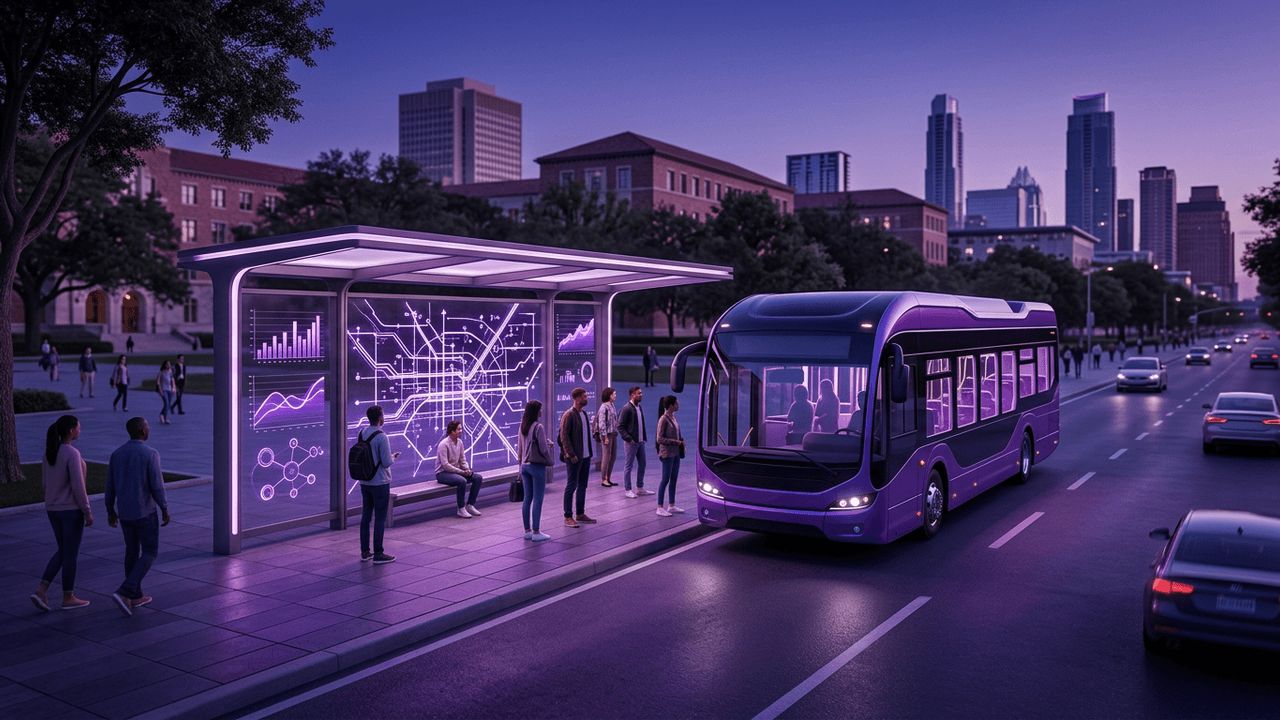
Public Transit in a Mid-Sized Texas City
Waco is best known as a driving city, but its public transit network serves thousands of riders every day. Students, seniors, workers without cars and visitors exploring downtown all rely on buses, shuttles and shared mobility services. Transit also supports the city's broader goals of reducing traffic congestion, improving access to jobs and healthcare, and making attractions like the Silos, the riverwalk and Baylor University easier to reach.
How We Evaluated Transit Services
We assessed coverage, frequency, affordability, accessibility, reliability, rider information tools and connections to major destinations. We also included services that complement fixed-route transit, such as paratransit, rural transportation and shared mobility options.
1. Waco Transit System Fixed Routes
Waco Transit System operates the city's fixed-route bus network, connecting neighborhoods with downtown, shopping districts, hospitals and schools. Routes radiate from the downtown transfer center, making it easy to reach most parts of the city with a single transfer. Discounted fares for seniors, students, veterans and riders with disabilities keep service affordable.
2. Waco Transit Paratransit
For riders whose disabilities prevent them from using fixed-route buses, Waco Transit's paratransit service offers advance-reservation, curb-to-curb trips within the service area. This service ensures that residents can reach medical appointments, jobs and community activities independently.
3. Baylor University Shuttle
Operated in partnership with Waco Transit, Baylor's shuttle routes connect campus buildings with off-campus apartment areas, parking lots and athletic venues. The service is free for Baylor students, faculty and staff and helps reduce congestion around campus.
4. Downtown and Silos Visitor Circulators
During busy seasons and special events, downtown circulator and trolley-style services have connected visitors with attractions such as Magnolia Market, the riverwalk, the Dr Pepper Museum and downtown restaurants. These services help reduce parking demand and make it easier for tourists to explore the city center on foot.
5. Game Day Shuttles
On Baylor football game days, shuttle services transport fans between parking areas, downtown and McLane Stadium. Using shuttles avoids traffic and parking challenges near the stadium and is a favorite strategy among season ticket holders.
6. Heart of Texas Rural Transit
Rural transit providers serving the Heart of Texas region connect residents in surrounding counties with Waco for medical care, shopping and employment. These demand-response services are essential for rural residents who lack reliable transportation.
7. Greyhound and Intercity Bus Connections
Although not local transit, intercity bus services such as Greyhound and FlixBus connect Waco with Dallas, Austin, San Antonio and Houston. Their stops link with local transit, allowing riders to complete long-distance journeys without a car.
8. Amtrak Texas Eagle via McGregor
Amtrak's Texas Eagle stops in nearby McGregor, giving Waco-area residents access to rail service between Chicago and San Antonio. Combined with rideshare or shuttles, it offers a comfortable regional and national travel option.
9. Rideshare as a Transit Complement
Uber and Lyft complement public transit by covering late-night trips and areas beyond bus coverage. Many riders use buses for daily commutes and rideshare for first-mile and last-mile connections, creating a flexible mobility system.
10. Bike and Scooter Share Programs
Shared bikes and electric scooters, when available on and around campus and downtown, provide quick connections for short trips. They are especially popular with students and visitors traveling between the riverwalk, Baylor and downtown attractions.
Tips for Riding Transit in Waco
- Check schedules: Some routes run less frequently on evenings and weekends.
- Use real-time tracking: Transit apps show bus locations and estimated arrival times.
- Buy passes: Frequent riders save money with daily or monthly passes.
- Know accessibility features: Buses are equipped with ramps or lifts and priority seating.
- Plan for events: Special service may operate during football games and festivals.
Why Public Transit Matters for Waco's Future
As Waco's population and tourism continue to grow, public transit becomes increasingly important for managing traffic and supporting economic opportunity. Reliable transit gives workers access to jobs across the city, helps students attend classes without the expense of a car and allows older adults to maintain independence. Investments in transit also support downtown development by reducing the need for large parking lots and encouraging walkable, mixed-use neighborhoods.
Transit Trends in Texas
Transit agencies across Texas are experimenting with on-demand microtransit, electric buses, contactless payment and improved rider apps. Mid-sized cities are finding that flexible, app-based services can fill gaps where fixed routes are less efficient. These innovations could shape the next generation of transit in Waco, making it more convenient and appealing for a broader range of riders.
Final Thoughts
Waco's public transit network provides affordable, accessible mobility for residents and visitors alike. Waco Transit's fixed routes and paratransit form the backbone, Baylor shuttles and game-day services handle campus and event demand, and regional bus and rail connections link the city with the rest of Texas. Combined with rideshare and shared mobility, these services make it possible to explore and live in Waco without always reaching for car keys.