
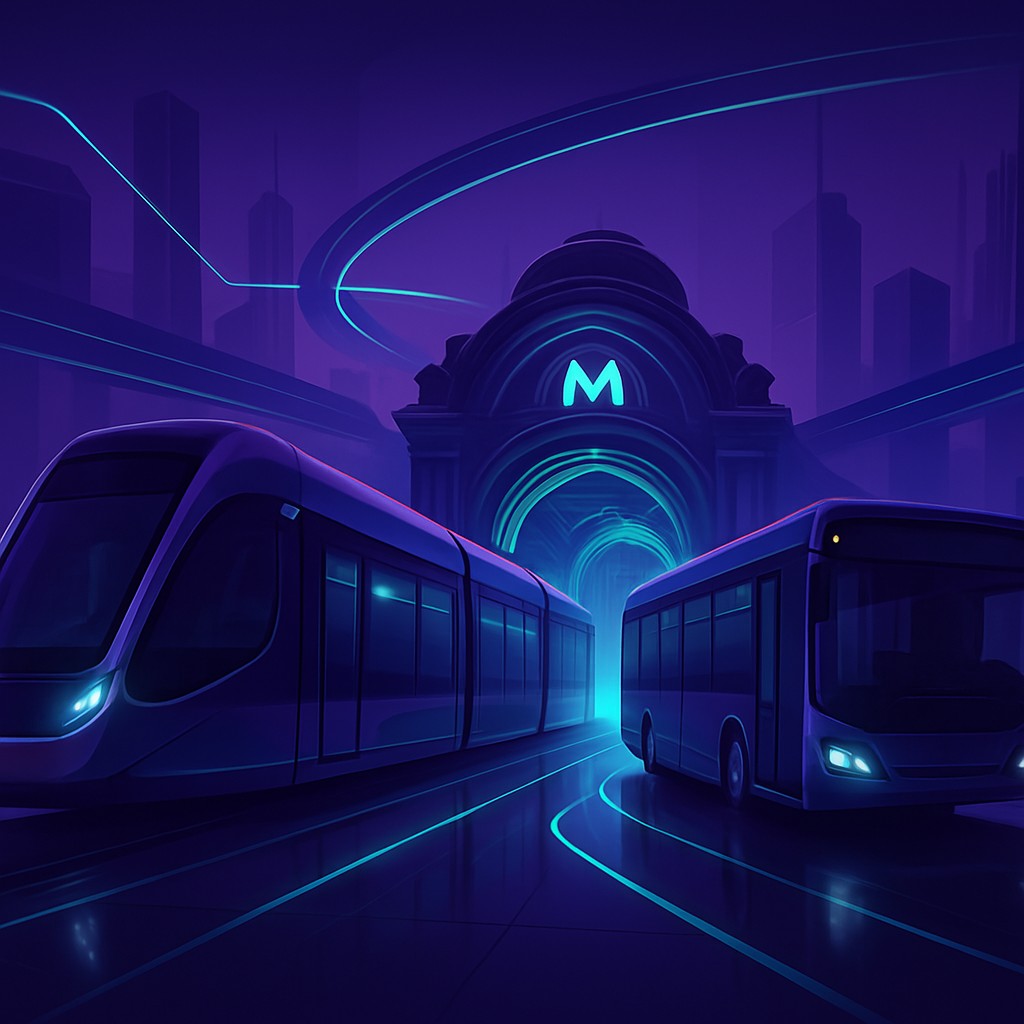
Public Transit at the Heart of Urban Life
Public transit forms the backbone of daily mobility in Uzbekistan's cities, moving millions of residents efficiently and affordably. From the elegant metro system of the capital to extensive bus and tram networks, public transport enables people to commute, shop, and connect across urban areas. As cities grow and modernize, investment in public transit has become a priority, improving service quality and expanding coverage.
Uzbekistan's public transit systems blend functionality with accessibility, offering low-cost options that serve diverse communities. The capital's metro, in particular, is renowned for its beautifully designed stations that double as works of art. This article explores ten of the best public transit services and systems that keep the nation's cities moving.
Metro and Rapid Transit
Tashkent Metro stands as the crown jewel of public transit in Uzbekistan, offering fast, reliable, and visually stunning underground travel. Famed for its ornate stations adorned with intricate designs and artwork, the metro combines efficient transport with cultural splendor. It serves as the primary mode of mass transit in the capital, carrying vast numbers of passengers each day.
Tashkent City Bus Network complements the metro by providing extensive surface coverage throughout the capital. With numerous routes connecting neighborhoods, commercial districts, and transit hubs, the bus network ensures that residents can reach their destinations conveniently.
Tashkent Tram Service adds another layer to the capital's transit options, offering smooth and environmentally friendly travel along established routes. The tram system provides a pleasant and reliable alternative for urban journeys.
Regional City Transit
Samarkand Public Transport serves the historic city with a network of buses and minibuses that connect residential areas, markets, and tourist sites. The system supports both local commuters and the many visitors drawn to Samarkand's cultural treasures.
Bukhara City Transit provides essential mobility for the ancient city, linking neighborhoods and key destinations. Its services balance the needs of residents with the demands of a thriving tourism sector.
Namangan Urban Transit serves one of the country's largest cities in the Fergana Valley, offering bus and minibus services that keep the densely populated area connected. Its frequent service supports the daily rhythms of urban life.
Growing Urban Networks
Andijan City Transport anchors public transit in the eastern valley, providing reliable services across a busy urban center. The network's coverage supports commuting and commerce throughout the region.
Fergana Public Transit offers comprehensive bus and minibus services in the valley, connecting communities and facilitating movement across the region. Its dependable operations make it a vital part of daily life.
Nukus City Transit serves the western city, providing essential mobility for residents in the Karakalpakstan region. The system ensures that even communities far from the central hubs enjoy reliable public transport.
Qarshi Urban Transport rounds out the list by serving the southern city with bus and minibus networks. Its services connect neighborhoods and support the economic activity of the region.
Trends and Improvements in Public Transit
Public transit in Uzbekistan is undergoing significant modernization, driven by investment in infrastructure, fleet renewal, and service improvements. The expansion of the Tashkent Metro with new lines and stations has enhanced connectivity in the capital, while cities across the country are upgrading their bus and minibus fleets to improve comfort and reliability.
Sustainability is an emerging theme, with interest in cleaner vehicles and more efficient operations growing among transit authorities. Digital ticketing and payment systems are being introduced to streamline the passenger experience and reduce congestion at stations. As urbanization continues, the demand for efficient, affordable, and accessible public transit will only increase, prompting further investment and innovation. These efforts aim to reduce traffic congestion, lower emissions, and improve the quality of urban life for millions of residents.
Conclusion
Public transit is essential to the vibrancy and functionality of Uzbekistan's cities, providing affordable and reliable mobility for millions. The ten services and systems highlighted here, from the magnificent Tashkent Metro to regional bus and tram networks, demonstrate the breadth and quality of urban transport in the country. As cities continue to grow and modernize, these transit systems will play an ever more important role in connecting communities, supporting economic activity, and enhancing the daily lives of residents across the nation.