
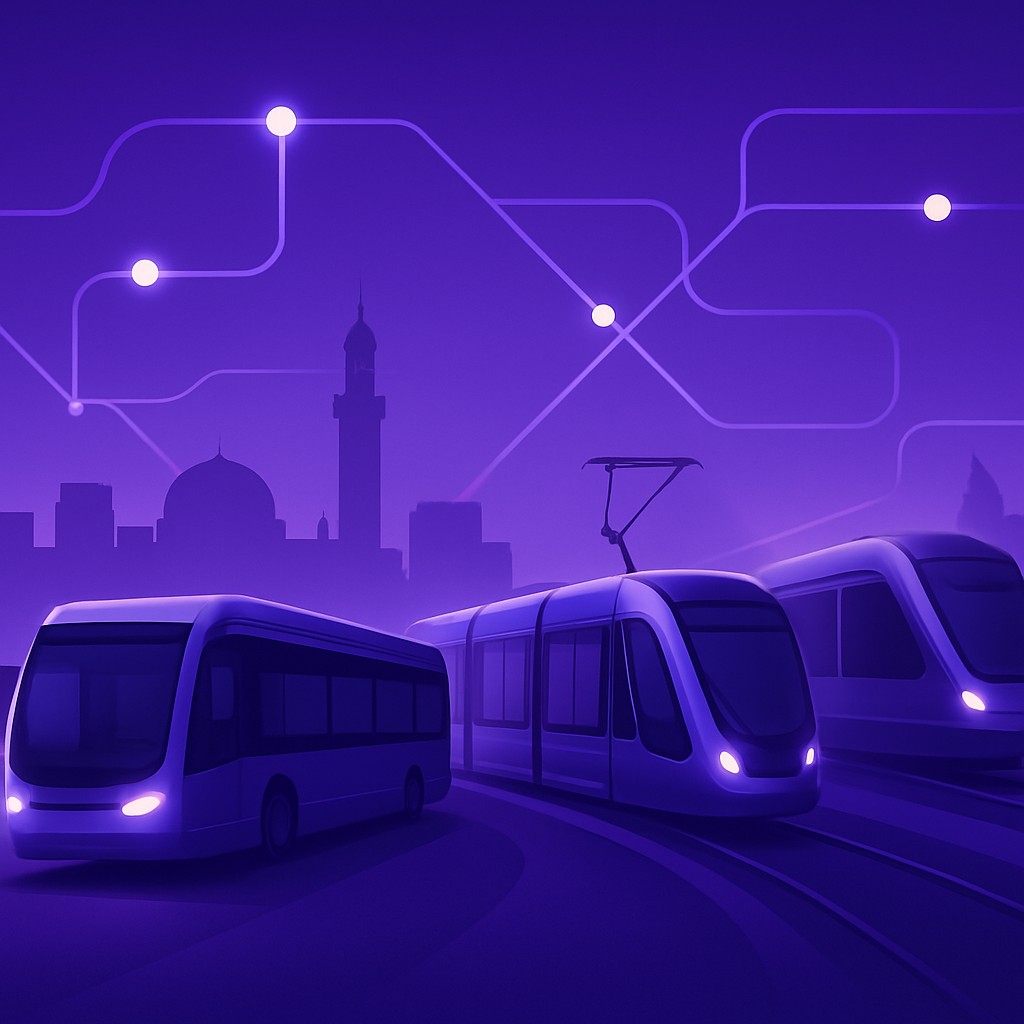
Getting Around Tunisia by Public Transport
Public transit is the lifeblood of mobility for millions of Tunisians, offering affordable and accessible ways to travel within cities and across the country. From the light-rail tramways gliding through the capital to intercity trains linking the coast and interior, and the dense networks of buses and shared taxis reaching every neighborhood, Tunisia's transit system is both varied and essential. For residents commuting to work and students heading to class, as well as tourists exploring historic medinas and Mediterranean beaches, public transport provides a practical and economical alternative to private cars.
The sector is served by a combination of national operators and regional transport companies, each responsible for specific modes and territories. The best services stand out for their coverage, frequency, affordability, and ongoing modernization efforts aimed at improving comfort and reliability.
The Top 10 Public Transit Services in Tunisia
1. Transtu (Societe des Transports de Tunis). The primary operator for Greater Tunis, Transtu runs the Metro Leger light-rail network, the TGM line connecting Tunis to La Marsa, and an extensive city bus fleet. Its integrated network forms the backbone of daily mobility in the capital region.
2. SNCFT (Societe Nationale des Chemins de Fer Tunisiens). Tunisia's national railway company operates intercity passenger trains linking major cities such as Tunis, Sousse, Sfax, and Gabes, along with suburban services. It offers an economical and scenic way to travel longer distances across the country.
3. The Metro Leger de Tunis. As one of the most recognizable elements of urban transit, the capital's light-rail tram system carries large numbers of commuters across multiple lines, easing road congestion and providing dependable, frequent service through the heart of the city.
4. SNTRI (Societe Nationale de Transport Interurbain). Specializing in long-distance intercity coach travel, SNTRI connects Tunis with towns and cities throughout Tunisia, including the south, offering a reliable option for travelers covering greater distances.
5. Regional transport companies (SRT). A network of governorate-level public transport firms operates buses serving cities and rural areas outside the capital, ensuring that smaller towns and the interior remain connected to regional hubs.
6. Sousse and Sahel transit operators. Serving the densely populated Sahel region, these operators run urban and suburban bus services and connect to the Sahel metro line that links coastal tourist centers such as Sousse, Monastir, and Mahdia.
7. Sfax urban transport. The transport authority of Tunisia's second-largest city manages bus services across the Sfax metropolitan area, supporting commuters in this important industrial and commercial center.
8. Louage (shared inter-city taxis). Though informal in structure, the louage network of shared taxis is a cornerstone of Tunisian mobility, offering fast, flexible, and affordable intercity travel that fills gaps left by scheduled services.
9. Urban taxi services. Metered taxis operate in all major cities, providing convenient point-to-point transport that complements mass transit, especially for shorter trips and areas not directly served by buses or trams.
10. Tourist and seasonal transport services. In resort areas and around major attractions, dedicated shuttle and tourist transport options help visitors move comfortably between hotels, beaches, and cultural sites, supporting Tunisia's vital tourism economy.
What Makes a Strong Transit Service
The most effective public transit operators in Tunisia combine broad geographic coverage with frequent schedules and affordable fares. Integration between modes, such as easy transfers between trams, trains, and buses, enhances convenience for commuters. Comfort, safety, and cleanliness increasingly influence rider satisfaction, while clear route information and reliable timing build trust. The affordability of Tunisian transit remains one of its greatest strengths, keeping mobility accessible to people across all income levels.
Trends and Modernization Efforts
Tunisia's transit sector is steadily modernizing, with investments aimed at upgrading rolling stock, improving stations, and extending key lines. There is growing interest in digital ticketing and smart-card systems that simplify fare payment and reduce queues. Sustainability is a central theme, as cleaner buses and electrified rail help reduce urban pollution and dependence on cars. Efforts to better coordinate the various operators and formalize parts of the shared-taxi network also aim to create a more seamless travel experience.
Tips for Using Public Transport in Tunisia
Travelers and commuters can make the most of Tunisia's transit system by familiarizing themselves with the main networks in their area and keeping small change ready for fares. The Metro Leger and TGM are ideal for moving around the capital, while trains and SNTRI coaches suit longer journeys. Louages offer speed and flexibility for intercity trips, often departing once full. Allowing extra time during peak hours and confirming routes in advance helps ensure smooth travel.
Conclusion
Public transit in Tunisia is a dynamic and essential service that keeps the country connected and mobile. With operators like Transtu and SNCFT anchoring the urban and rail networks, SNTRI and regional firms covering intercity travel, and the flexible louage system filling the gaps, residents and visitors have a wide range of affordable options. As modernization continues, Tunisia's transit network is poised to become even more comfortable, efficient, and sustainable for the millions who rely on it every day.