
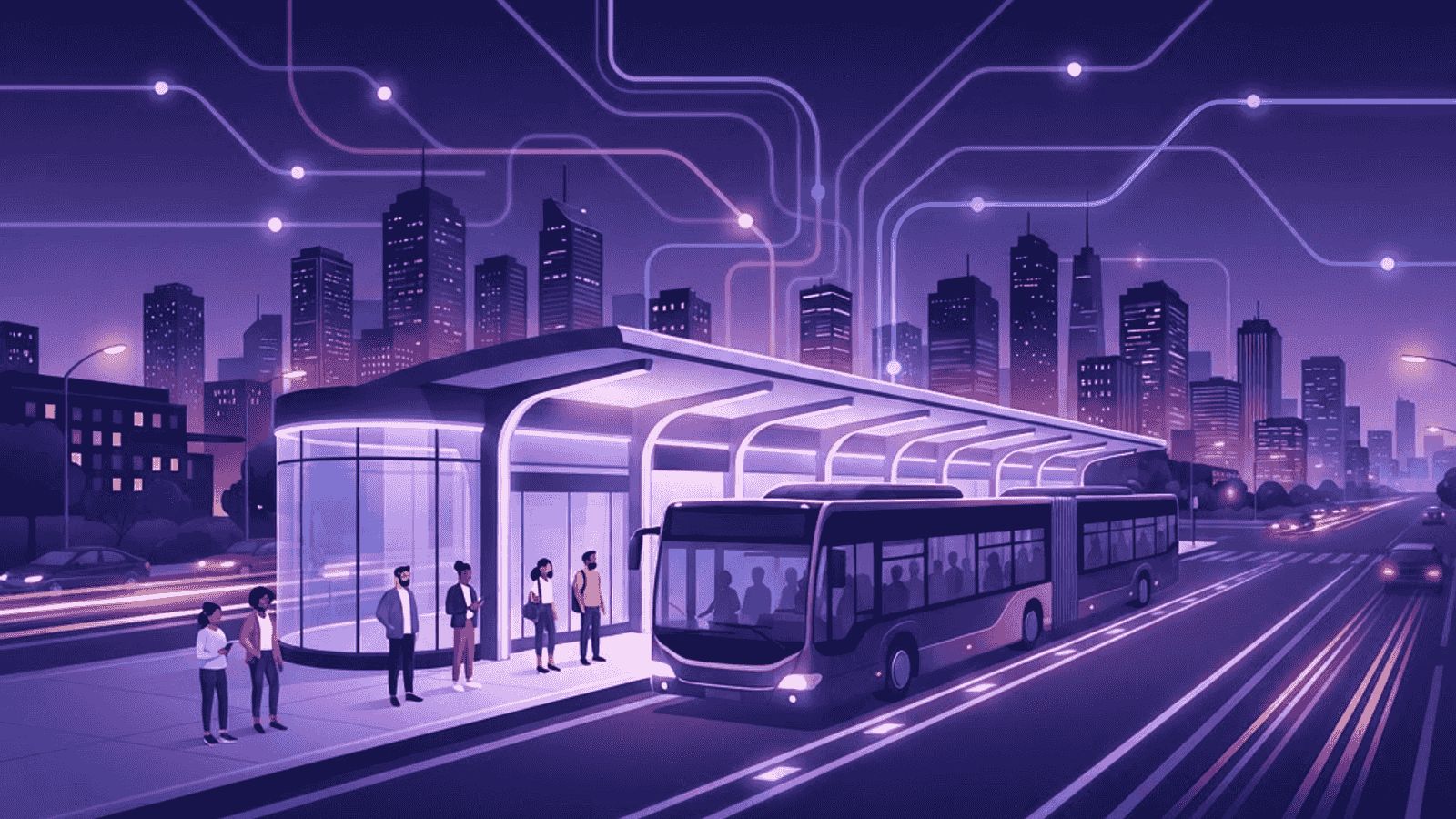
Getting Around Tulsa Without a Car
Tulsa was largely built for the automobile, with wide arterial streets and a generous supply of parking. Yet the past decade has brought a meaningful shift. Investment in bus rapid transit, downtown residential growth, expanding trail networks, and rising interest in walkable neighborhoods have made car-light living increasingly realistic in parts of the metro. For students, commuters, older residents, visitors, and anyone looking to reduce transportation costs, understanding the local transit landscape pays real dividends.
The metro's transit ecosystem now spans fixed-route buses, high-frequency rapid transit corridors, paratransit, on-demand shuttles, intercity coaches, and a supporting layer of rideshare and micromobility. Used together, these options cover far more trips than any single service could alone.
1. Tulsa Transit Fixed-Route Bus Service
Operated by the Metropolitan Tulsa Transit Authority, the fixed-route bus network is the backbone of local public transportation. Routes radiate from the downtown transit center and connect major employment centers, medical campuses, colleges, shopping districts, and residential corridors. Recent service redesigns have concentrated frequency on the highest-demand corridors, which reduces wait times where riders need them most. Mobile fare payment and real-time arrival tracking have significantly improved the everyday experience.
2. Aero Bus Rapid Transit on Peoria Avenue
The Peoria Avenue rapid transit corridor represents Tulsa's most significant transit upgrade in generations. Enhanced stations, level boarding, traffic signal priority, and frequent service create a bus experience closer to light rail than a conventional route. It links north Tulsa, downtown, midtown, and Brookside along one of the city's most important north-south spines, serving employment, healthcare, and retail destinations along the way.
3. Aero Rapid Transit on Route 66 Corridor
The 11th Street and Route 66 rapid transit corridor extends high-frequency service east-west, connecting downtown with the University of Tulsa area and eastern neighborhoods. This corridor is especially valuable for students and hospital employees, and it demonstrates how frequency changes rider behavior: when buses come often enough, schedules stop mattering and transit becomes genuinely spontaneous.
4. Tulsa Transit Lift Paratransit Service
Lift provides origin-to-destination paratransit service for riders whose disabilities prevent them from using fixed-route buses. Eligibility is determined through an application process, and trips are scheduled in advance. The service is essential infrastructure for independence, enabling medical appointments, employment, and community participation. Accessible vehicles, trained operators, and coordinated scheduling make it a critical complement to the main network.
5. Nightline and Extended Evening Service
Evening and late-night service addresses one of transit's classic weaknesses: shift workers whose hours do not match daytime schedules. Extended service hours on key corridors help hospitality, healthcare, and logistics employees reach jobs that start or end outside conventional commuting windows. For many riders, this coverage determines whether transit is usable for employment at all.
6. On-Demand Microtransit Zones
Microtransit uses smaller vehicles and app-based booking to serve areas where fixed routes are inefficient. Riders request a trip, and the system dynamically routes a shuttle within a defined zone, often connecting to a rapid transit stop. This model solves first-mile and last-mile gaps in lower-density suburban areas and has become an important tool for extending the network's practical reach without adding costly full-time routes.
7. Downtown Circulator and Special Event Shuttles
Circulator and event shuttle services move visitors between downtown districts, entertainment venues, and parking areas. During festivals, sporting events, and major concerts, these shuttles reduce congestion and parking stress dramatically. They also introduce occasional riders to transit, which builds familiarity that sometimes converts into regular use.
8. Greyhound Intercity Bus Service
For travel beyond the metro, Greyhound provides intercity coach connections to Oklahoma City, Kansas City, Dallas, St. Louis, and points beyond. Affordability is its primary advantage, particularly for travelers without cars or those avoiding airfare. Onboard amenities and online ticketing have modernized what was once a bare-bones experience.
9. Jefferson Lines and Regional Coach Carriers
Regional coach operators supplement national networks with routes serving smaller communities across Oklahoma, Kansas, and neighboring states. These services matter enormously for residents of rural areas who need access to Tulsa's medical centers, universities, and airport. Coordinated ticketing with larger carriers allows longer itineraries to be booked in a single transaction.
10. Rideshare and Micromobility as Network Extensions
Rideshare services and shared scooters and bicycles function as connective tissue for the transit network. A short scooter ride can bridge the distance between a rapid transit station and an office park, while rideshare covers late-night trips when buses have stopped. Treating these services as extensions of transit rather than competitors produces the most practical car-free travel strategy in Tulsa.
Benefits of Using Transit in Tulsa
The financial case is strong. Vehicle ownership costs including payments, insurance, fuel, maintenance, and parking add up substantially, and even partial substitution produces real savings. Transit also reduces emissions and roadway congestion, supports denser and more walkable development, and provides mobility for residents who cannot drive. For employers, transit access widens the labor pool and reduces parking demand.
Tips for Riders
Download the transit app for real-time arrivals and mobile fares, which is far easier than carrying exact change. Learn the two rapid transit corridors first, since their frequency makes them the most forgiving for new riders. Check schedules for evenings and weekends, which differ from weekday service. Consider a monthly pass if you ride more than a few times per week. Plan connections with a small buffer, and use microtransit or micromobility to cover the final stretch to your destination.
Final Thoughts
Tulsa's transit network has evolved from a basic coverage system into a layered mobility platform with genuinely competitive corridors. It will not replace a car for every trip in every neighborhood, but for downtown, midtown, university, and medical district travel, it is increasingly a rational first choice. Explore the rapid corridors, combine services intelligently, and you may find that driving becomes optional more often than you expected.