
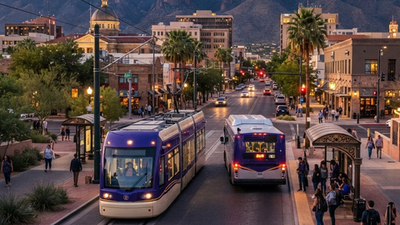
The Importance of Public Transit in Tucson
As Tucson grows, public transit has become an increasingly vital part of daily life for students, commuters, and residents seeking affordable, sustainable ways to get around. A well-connected transit network reduces traffic congestion, lowers transportation costs, and provides essential mobility for those without access to a personal vehicle. In a city known for its sprawling layout, reliable public transit bridges the distance between neighborhoods, workplaces, and cultural destinations.
Public transit also plays a key role in environmental stewardship. By encouraging shared rides over individual car trips, transit services help reduce emissions and ease the strain on roadways, contributing to cleaner air and a more livable urban environment across the Sonoran Desert region.
Key Transit Services in the City
Sun Tran forms the backbone of Tucson's public transportation, operating an extensive network of bus routes that reach neighborhoods, shopping centers, and employment hubs throughout the metro area. Its companion express service, Sun Express, offers faster commutes for those traveling longer distances, while Sun Link, the modern streetcar, connects downtown, the university district, and surrounding areas with convenient, frequent service.
For residents who need door-to-door assistance, Sun Van provides paratransit service designed for people with disabilities, ensuring that mobility remains accessible to all. Together, these services create an integrated system that accommodates a wide range of travel needs across the city.
Benefits of Using Public Transit
The advantages of public transit extend well beyond cost savings. Riders enjoy the freedom of avoiding parking hassles, fuel expenses, and the stress of navigating traffic. For students at the region's universities and colleges, transit passes offer an economical and dependable way to reach campus without the burden of car ownership.
Public transit also fosters community connection and equity. By providing affordable access to jobs, healthcare, education, and recreation, transit services empower residents from all walks of life. The social and economic ripple effects of a strong transit system benefit the entire city, not just those who ride.
Innovation and Sustainability Trends
Tucson's transit agencies have embraced technology to improve the rider experience. Real-time arrival tracking, mobile ticketing, and route-planning apps make it easier than ever to navigate the system with confidence. These digital tools reduce wait-time uncertainty and encourage more people to choose transit.
Sustainability is another driving force. Investments in cleaner-fuel and electric buses, along with the continued success of the electric streetcar, reflect a commitment to reducing the carbon footprint of urban travel. Ongoing route planning aims to expand coverage and frequency, making transit an even more attractive option in the years ahead.
Making the Most of Tucson Transit
To get the best experience, riders should familiarize themselves with route schedules, transfer points, and available fare options such as discounted passes for students and seniors. Combining transit with cycling or walking can extend reach and make car-free living more practical throughout the metro area.
Public transit in Tucson continues to evolve to meet the needs of a growing population. By embracing these services, residents can enjoy affordable, environmentally friendly mobility while supporting a more connected and sustainable community for everyone.