
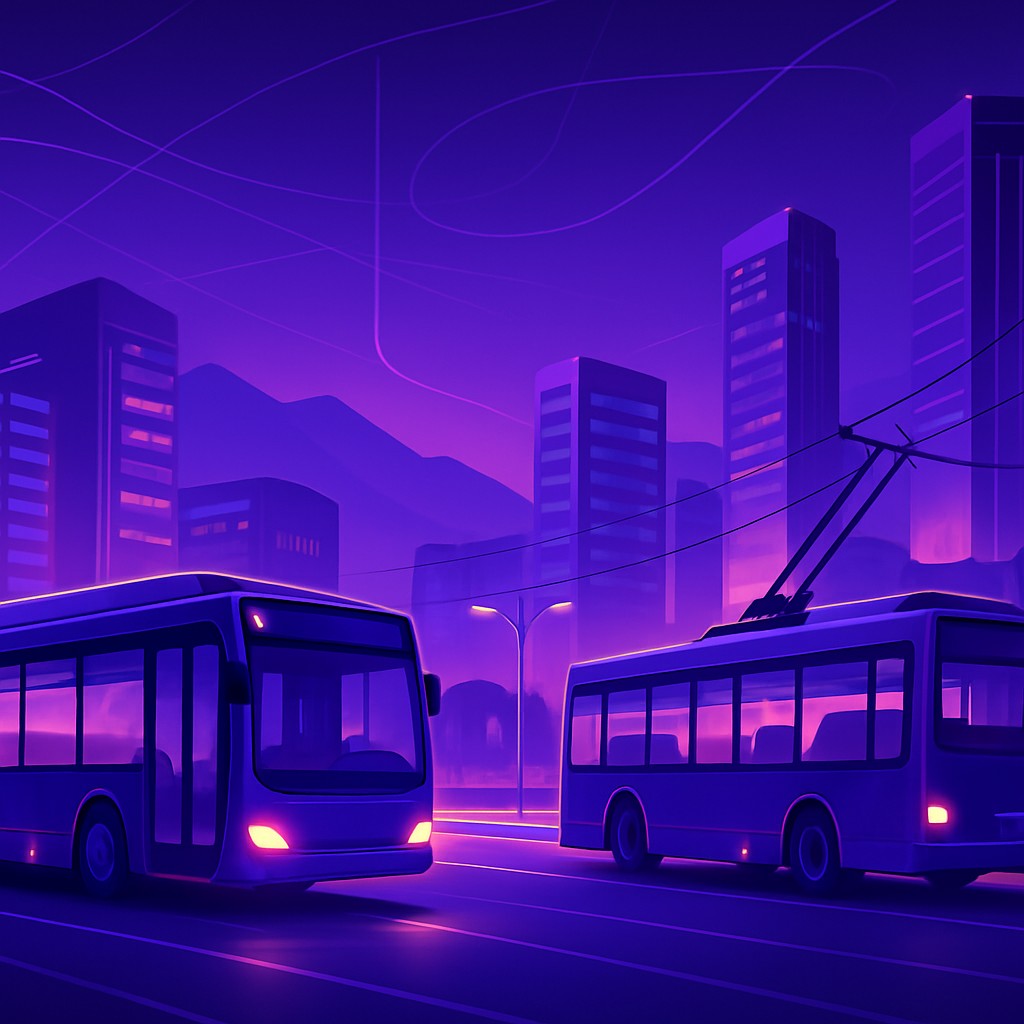
Public Transit in Tajikistan's Cities
Public transit forms the everyday backbone of urban mobility in Tajikistan, enabling millions of residents to travel to work, school, markets, and family. In cities such as Dushanbe, Khujand, and Bokhtar, a mix of buses, trolleybuses, and shared minibuses known as marshrutkas provides affordable and accessible transport. For most urban residents, these services are an essential part of daily life, shaping how cities function and grow.
The public transit landscape blends established municipal services with a vibrant network of private operators. Together, they offer extensive coverage and frequent service, though they also face challenges related to congestion, modernization, and the demands of growing urban populations. This article highlights ten of the best public transit services in Tajikistan.
What Makes Public Transit Effective
Effective public transit is defined by affordability, frequency, reliability, and coverage. Riders value services that arrive on time, reach a wide range of destinations, and remain accessible to people of all incomes. Comfort, safety, and ease of use are also important. As cities grow, the integration of different transit modes and efforts to modernize fleets become increasingly significant.
The Top 10 Public Transit Services
1. Dushanbe City Bus Network. The capital's primary bus service connects neighborhoods across the city, offering frequent and affordable transport. It serves as the backbone of urban mobility for countless daily commuters.
2. Dushanbe Trolleybus Service. A long-standing and environmentally friendly mode of transport, the trolleybus network provides quiet, electric-powered travel along key city routes, valued for its reliability and low emissions.
3. Khujand Public Transport. Serving the northern city of Khujand, this service offers extensive coverage through buses and minibuses, supporting one of the country's most populous and economically active urban areas.
4. City Marshrutka Network. The shared minibus system is a flexible and widely used form of transit, filling gaps in the formal network and offering frequent service along popular routes throughout urban areas.
5. Bokhtar Urban Transit. Serving the southern city of Bokhtar, this service connects residential and commercial districts, providing essential mobility for the regional center and surrounding communities.
6. Kulob City Transport. This service supports the southeastern city of Kulob with bus and minibus routes that link residents to markets, workplaces, and services across the urban area.
7. Vahdat Transit Service. Connecting the Vahdat district with Dushanbe and local destinations, this provider serves commuters traveling between the capital and its surrounding communities.
8. Istaravshan Public Transit. Serving the historic city of Istaravshan, this service offers reliable transport within the city and connections to nearby towns, supporting both residents and visitors.
9. Suburban Connect Services. Focused on linking suburban and peri-urban areas to city centers, this network helps residents in outlying districts access urban opportunities and services.
10. Regional Intercity Transit. Bridging the gap between urban transit and intercity travel, this service connects nearby cities and towns, supporting regional mobility and economic exchange.
Industry Trends and Developments
Public transit in Tajikistan is gradually evolving to meet the needs of growing cities. Urbanization is increasing demand for efficient, affordable transport, prompting efforts to expand coverage and improve service. The role of electric trolleybuses highlights a continued interest in environmentally friendly transport options that reduce emissions and noise in city centers.
Modernization of fleets, better coordination between transit modes, and improvements in infrastructure are key priorities for the sector. The flexibility of the marshrutka system demonstrates how private operators complement formal services, ensuring that residents have access to frequent and convenient transport even as cities expand.
Affordability and Accessibility
One of the greatest strengths of public transit in Tajikistan is its affordability. Low fares ensure that transport remains accessible to residents across all income levels, making it possible for people to reach jobs, schools, and essential services without significant financial burden. This accessibility is fundamental to the social and economic life of the country's cities, supporting opportunity and connection for millions of people.
Maintaining this affordability while improving quality is an ongoing balance for operators and city authorities. Investments in newer vehicles, better infrastructure, and improved coordination must be weighed against the need to keep fares within reach. The continued presence of both municipal services and private operators helps sustain a competitive and accessible system, ensuring that public transit remains a practical choice for the broadest possible range of residents.
Using Public Transit Effectively
For residents and visitors, navigating public transit in Tajikistan is generally straightforward and affordable. Understanding common routes, carrying small change for fares, and traveling outside peak congestion times can enhance the experience. Marshrutkas offer flexibility, while buses and trolleybuses provide more predictable service along established routes. Familiarity with the network makes urban travel convenient and economical.
Conclusion
Public transit services are indispensable to daily life in Tajikistan's cities, providing affordable and accessible mobility for millions of residents. The services highlighted here illustrate the diversity of the urban transport network, from electric trolleybuses to flexible minibuses. As cities continue to grow, ongoing investment and modernization will ensure that public transit remains a vital and reliable foundation of urban life.