
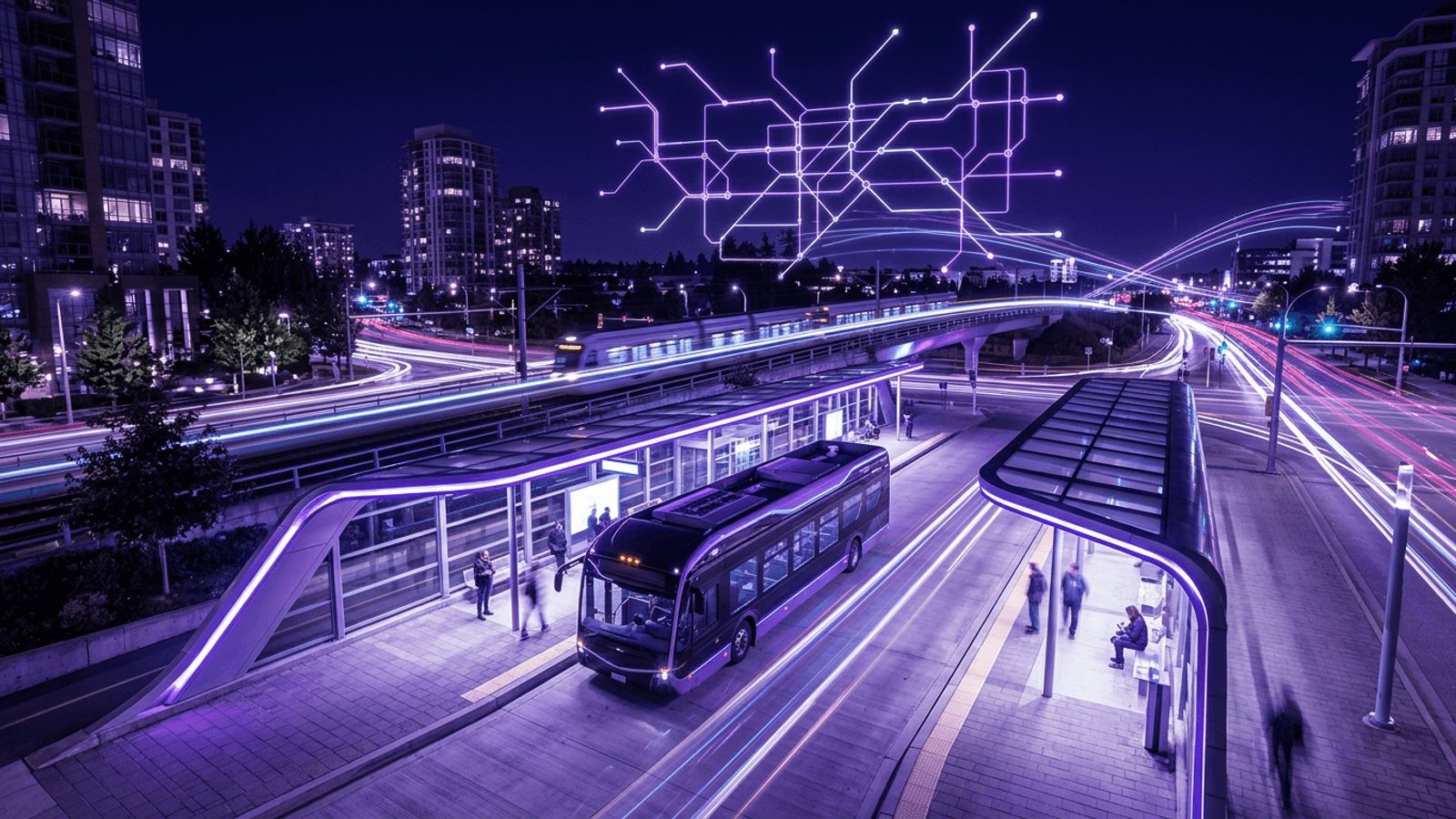
Public Transit in a Suburban City
Sugar Land is a suburban city designed largely around the automobile, and most residents drive for daily errands. However, growing traffic on Highway 59 and the Southwest Freeway, combined with rising fuel and parking costs, has pushed more commuters to explore public transit. Seniors, students, and people with disabilities also depend on accessible transportation options.
Sugar Land does not have its own city-run bus system, but residents can access county and regional transit, park-and-ride commuter services, and connections to Houston's extensive network. Shared mobility services fill many of the remaining gaps.
The Top 10 Public Transit and Mobility Services
1. Fort Bend Transit
Fort Bend Transit, operated by Fort Bend County Public Transportation, is the most important transit service for Sugar Land residents. It provides commuter routes, demand-response service, and local connections throughout the county.
2. Fort Bend Transit Park and Ride
The county's park-and-ride commuter buses depart from lots in and around Sugar Land and travel to major employment centers such as the Texas Medical Center, Greenway Plaza, Uptown, and downtown Houston. Commuters avoid traffic stress and expensive parking.
3. Fort Bend Transit Demand Response
This curb-to-curb service allows riders to schedule trips in advance for medical appointments, shopping, and work. It is particularly valuable for seniors and residents with disabilities.
4. METRO Houston Bus Service
The Metropolitan Transit Authority of Harris County operates an extensive bus network. Sugar Land residents can connect to METRO routes near the Fort Bend and Harris County border to reach destinations across Houston.
5. METRORail
METRORail light rail lines serve downtown, the Museum District, the Texas Medical Center, and NRG Park. Commuters often combine park-and-ride buses with light rail to reach their final destination.
6. METRO Park and Ride
METRO operates additional park-and-ride facilities in southwest Houston that are easily accessible from Sugar Land, expanding commuter options.
7. Amtrak
For longer trips, Amtrak's Sunset Limited stops in Houston, linking the region by rail with San Antonio, New Orleans, and Los Angeles.
8. Greyhound and FlixBus
Intercity buses departing from Houston provide affordable regional travel to Austin, Dallas, San Antonio, and beyond, serving as an extension of the public transit network.
9. Uber and Lyft
Rideshare services fill first-mile and last-mile gaps, helping riders reach park-and-ride lots or travel within Sugar Land where fixed routes are limited.
10. Houston BCycle
Houston BCycle is a bike share program with stations across central Houston. Sugar Land commuters arriving downtown can use it for short trips to offices, parks, and restaurants.
Benefits of Using Public Transit
Public transit reduces commuting costs, lowers stress, and allows riders to work or relax during their trip. It also reduces traffic congestion and emissions, supporting Sugar Land's sustainability goals. For residents who do not drive, accessible transit services provide independence and access to essential services.
Trends in Regional Transit
Transit agencies in the Houston area are investing in microtransit, on-demand rideshare-style service using smaller vehicles, to cover suburban areas efficiently. Real-time arrival apps, contactless payment, and expanded commuter service are improving the rider experience. Regional planners continue to explore future high-capacity transit along the Highway 59 corridor.
Tips for Riding Transit From Sugar Land
Check schedules in advance, since commuter routes primarily run during peak hours. Download transit apps for real-time updates, arrive early to secure parking at popular park-and-ride lots, and consider monthly passes if you commute regularly.
Frequently Asked Questions
Does Sugar Land have a city bus system?
Sugar Land does not operate its own fixed-route city bus network. Instead, public transportation is provided primarily by Fort Bend County Public Transportation, which runs commuter services and demand-response trips, along with connections to the Houston METRO system. This model reflects the city's suburban layout, where on-demand and commuter-focused services can be more efficient than traditional local bus routes.
How do I commute from Sugar Land to the Texas Medical Center without driving?
The most popular option is a park-and-ride commuter bus from a lot in or near Sugar Land to the Texas Medical Center. These buses run during peak morning and evening hours on weekdays. Riders can then walk or use METRORail light rail to reach specific buildings. Monthly passes and employer transit benefits can make this option even more affordable than driving and paying for parking.
Is public transit accessible for riders with disabilities?
Yes. Fort Bend County's demand-response service and Houston METRO's paratransit service provide accessible transportation for eligible riders, and transit vehicles are equipped with lifts or ramps. Riders typically need to complete an eligibility process and schedule trips in advance. Accessibility features such as priority seating, audio announcements, and securement areas for wheelchairs are standard on most vehicles serving the region.
Conclusion
While Sugar Land is not a traditional transit city, residents have meaningful options for commuting and regional travel. By combining county transit, Houston connections, and shared mobility services, Sugar Land residents can save money and avoid some of the region's busiest traffic.