
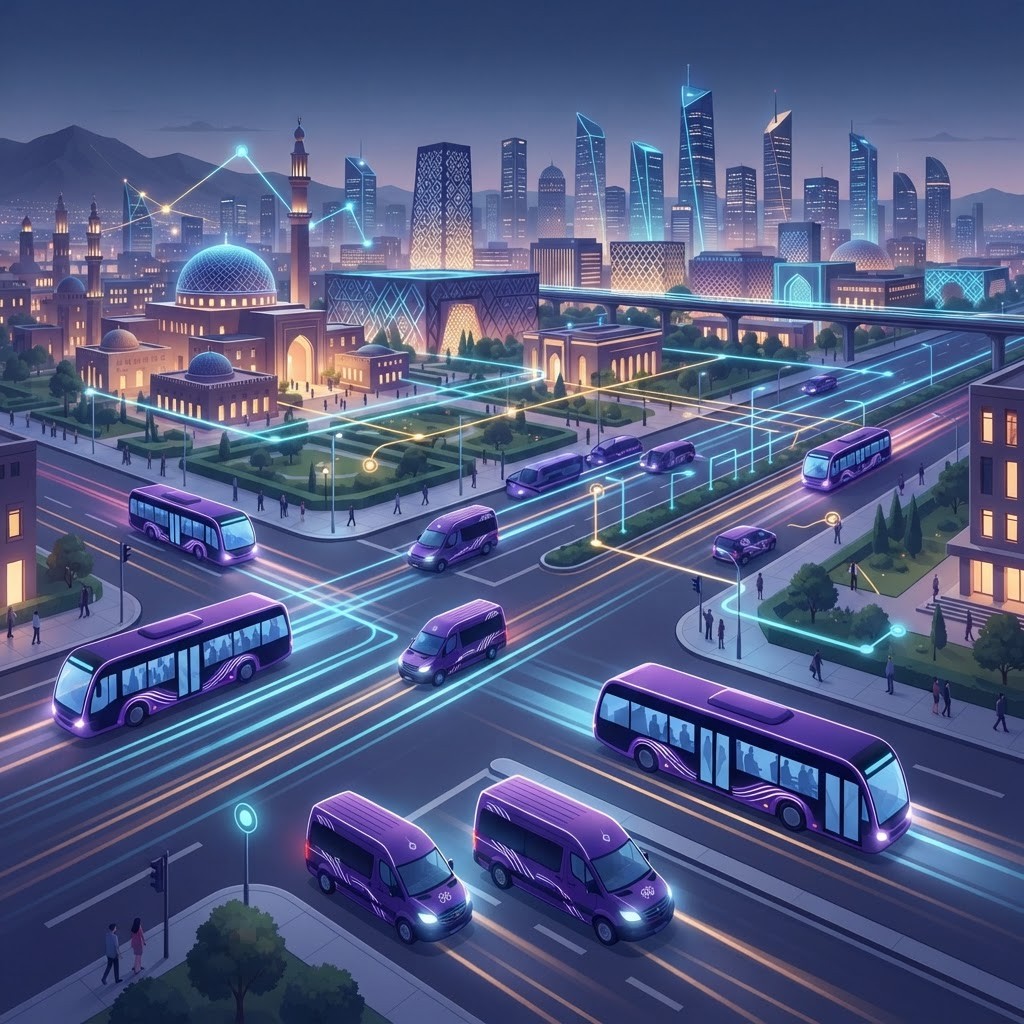
Understanding Public Transit in the State of Palestine
Public transit is the backbone of daily life across the State of Palestine, connecting the bustling streets of Ramallah, the historic quarters of Nablus, the commercial hubs of Hebron, and the coastal density of Gaza. Because private car ownership remains limited for many households and movement between governorates can be complex, well-organized transit services carry enormous social and economic weight. They move students to universities, workers to markets, and families to hospitals, often navigating checkpoints, hilly terrain, and dense urban centers.
The Palestinian transit landscape is a blend of formal and semi-formal systems. Yellow shared taxis known as "servees" operate on fixed routes, intercity buses link major cities, and private coach operators serve longer journeys and organized trips. Over the past decade, several operators have invested in newer fleets, clearer scheduling, and improved passenger experience, raising the standard for what commuters can expect.
What Makes a Transit Service Stand Out
The best transit providers share a few common traits. Reliability is paramount, meaning consistent departure patterns and predictable travel times even on congested corridors. Fleet condition matters too, with clean, well-maintained, air-conditioned vehicles that make long rides comfortable. Fair and transparent pricing builds trust, while professional drivers and courteous conductors improve safety and rider confidence. Increasingly, coverage across governorates and coordination between routes distinguish leading services from the rest.
The Top 10 Public Transit Services
1. Ramallah Transportation Company. One of the more recognized operators in the central West Bank, this company is valued for its organized intercity bus routes and consistent schedules linking Ramallah with surrounding towns. Commuters appreciate its emphasis on orderly boarding and reasonable fares.
2. Beit Jala Buses. Serving the Bethlehem governorate and beyond, Beit Jala Buses has a long-standing reputation for dependable service on routes connecting Bethlehem, Beit Sahour, and Jerusalem-area destinations. Its experienced drivers and steady operations make it a community staple.
3. Al-Bireh Public Transport. Closely tied to the Ramallah and Al-Bireh urban area, this service is known for frequent departures and strong coverage of local neighborhoods, making it a preferred choice for daily commuters and students.
4. Hebron Transport Cooperative. In the southern West Bank, this cooperative organizes shared taxi and bus movements across Hebron's busy commercial districts. It is praised for efficiently managing high passenger volumes during peak market hours.
5. Nablus Intercity Lines. Operating in the northern West Bank, Nablus Intercity Lines connects the city with Jenin, Tulkarm, and surrounding villages. Riders value its extensive regional reach and its role in supporting trade between northern governorates.
6. Jericho Shared Taxi Network. Serving one of the lowest-lying cities on earth, this network specializes in linking Jericho with Ramallah and the Jordan Valley. Its drivers are known for navigating the descent routes safely and efficiently.
7. Tulkarm Regional Transit. This operator focuses on the agricultural northwest, connecting Tulkarm with nearby communities. It has built a reputation for punctuality that farmers and traders rely on to reach markets on time.
8. Jenin Bus Union. Coordinating multiple drivers and vehicles, the Jenin Bus Union provides structured service across the northern West Bank. Its union model helps standardize fares and maintain fleet quality.
9. Gaza Public Transport Association. Within Gaza's dense urban environment, this association organizes shared taxis and minibuses across the strip's main arteries. Despite challenging conditions, it remains an essential mobility lifeline for residents.
10. Bethlehem Tourist Coaches. Blending public and tourism-oriented transport, this operator runs comfortable coaches that serve both residents and the steady flow of visitors to religious and historic sites, offering a higher-comfort option on key routes.
Industry Trends Shaping Palestinian Transit
Several trends are reshaping how Palestinians move. Fleet modernization is a clear priority, with operators gradually replacing aging vehicles with more fuel-efficient and comfortable models. There is growing interest in digital tools, including informal WhatsApp-based coordination and early experiments with route information apps that help passengers plan trips. Sustainability is also entering the conversation, as rising fuel costs push operators to optimize routes and reduce idle time.
Coordination between operators is another emerging theme. Because journeys often require transfers between shared taxis and buses, services that align their timing and stops deliver a smoother experience. The most forward-looking companies are investing in driver training, standardized fare structures, and cleaner vehicles to differentiate themselves in a competitive market.
Benefits for Commuters and the Economy
Strong public transit delivers benefits far beyond individual convenience. It reduces congestion in crowded city centers, lowers the cost of daily commuting for families, and expands access to education and employment. For small businesses, reliable transit ensures a steady flow of customers and workers. For the broader economy, efficient movement of people supports trade between governorates and strengthens local markets.
Choosing the Right Service
When selecting a transit option, riders should weigh route coverage against their regular destinations, consider vehicle comfort for longer trips, and factor in the reputation of drivers and operators for safety and punctuality. For intercity journeys, coach-style services often provide more comfort, while shared taxis offer speed and flexibility within cities.
Final Thoughts
The State of Palestine's public transit services reflect the resilience and resourcefulness of its communities. From established intercity lines to tightly coordinated shared taxi networks, these operators keep people connected across a complex geography. As modernization continues and digital tools mature, passengers can look forward to even more reliable, comfortable, and accessible journeys in the years ahead.