
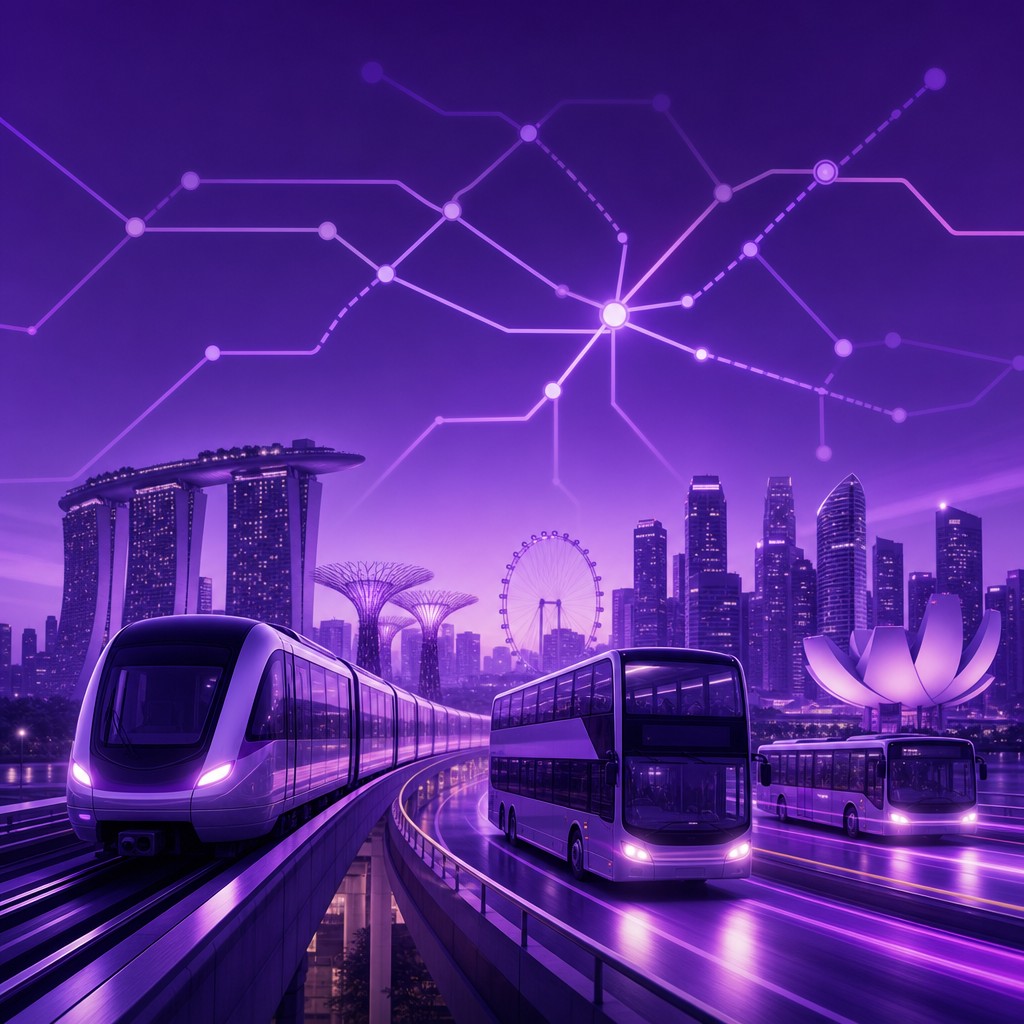
A World-Class Public Transport Network
Singapore is frequently celebrated for having one of the most efficient, clean, and well-connected public transport systems in the world. The combination of an extensive rail network, a comprehensive bus system, and well-regulated point-to-point services ensures that residents and visitors can travel across the island quickly and affordably. The government's long-term vision of a car-lite society has driven continuous investment in infrastructure, technology, and service quality, making public transit a genuinely attractive alternative to private vehicle ownership.
Seamless integration is a defining feature of the network. A single contactless card or mobile payment can be used across trains, buses, and other services, while well-designed interchanges make transfers convenient. This level of connectivity has helped Singapore achieve high public transport ridership and reduced congestion on its roads.
What Makes the System Stand Out
Reliability, affordability, and accessibility are the cornerstones of Singapore's transit success. Frequent service, real-time arrival information, and barrier-free access for the elderly and people with disabilities reflect a commitment to inclusivity. Cleanliness and safety standards are exceptionally high, and the network's reach continues to expand with new lines and routes planned for the coming years.
Leading Public Transit Services and Operators
SMRT Corporation operates major MRT lines and bus services, forming the backbone of the rail network. Its extensive coverage and high frequency make it indispensable for daily commuters.
SBS Transit runs several MRT and LRT lines along with a large fleet of buses, serving millions of journeys and playing a central role in connecting residential areas to the city centre.
Tower Transit Singapore manages bus services under the government contracting model, focusing on reliability and customer experience across its routes.
Go-Ahead Singapore operates bus services in the eastern region, known for its commitment to punctuality and friendly service.
Mass Rapid Transit (MRT) as a system is the fastest way to travel across the island, connecting key residential, commercial, and tourist districts with clean, air-conditioned trains.
Light Rail Transit (LRT) complements the MRT by serving neighbourhood estates, providing convenient feeder connections to main rail lines.
Public Bus Network offers comprehensive coverage that reaches areas not served by rail, with thousands of stops ensuring accessibility throughout the island.
Grab provides popular ride-hailing services that complement public transit, offering convenient point-to-point travel through its widely used app.
ComfortDelGro operates one of the largest taxi fleets, providing reliable metered and booked rides that integrate well with the broader transport ecosystem.
Gojek adds further choice to the point-to-point market, giving commuters flexible options for direct travel when public transport is less convenient.
Technology and Innovation in Transit
Singapore's transit network is at the forefront of smart mobility. Contactless payment systems allow commuters to tap in and out using bank cards or mobile wallets, eliminating the need for separate tickets. Real-time apps provide accurate arrival times, route planning, and crowd information, helping passengers make informed travel decisions.
The system is also embracing sustainability, with electric and hybrid buses being introduced to reduce emissions. Autonomous vehicle trials and ongoing rail expansions signal a future of even greater connectivity and efficiency. Data-driven planning ensures that services adapt to changing commuter patterns, maintaining the network's reputation for responsiveness.
Tips for Commuters
To make the most of Singapore's public transport, commuters should use journey-planning apps to optimise routes and avoid peak-hour crowds where possible. Keeping a contactless payment method handy ensures smooth boarding, while familiarising yourself with major interchanges makes transfers effortless. Off-peak travel often offers a more comfortable experience and, in some cases, lower fares.
Conclusion
Singapore's public transit services set a global benchmark for efficiency, integration, and reliability. With a well-coordinated mix of rail, bus, and point-to-point operators, the network meets the needs of a diverse population while supporting the nation's sustainability goals. As technology and infrastructure continue to advance, public transport in Singapore is poised to remain a model of urban mobility for cities around the world.