
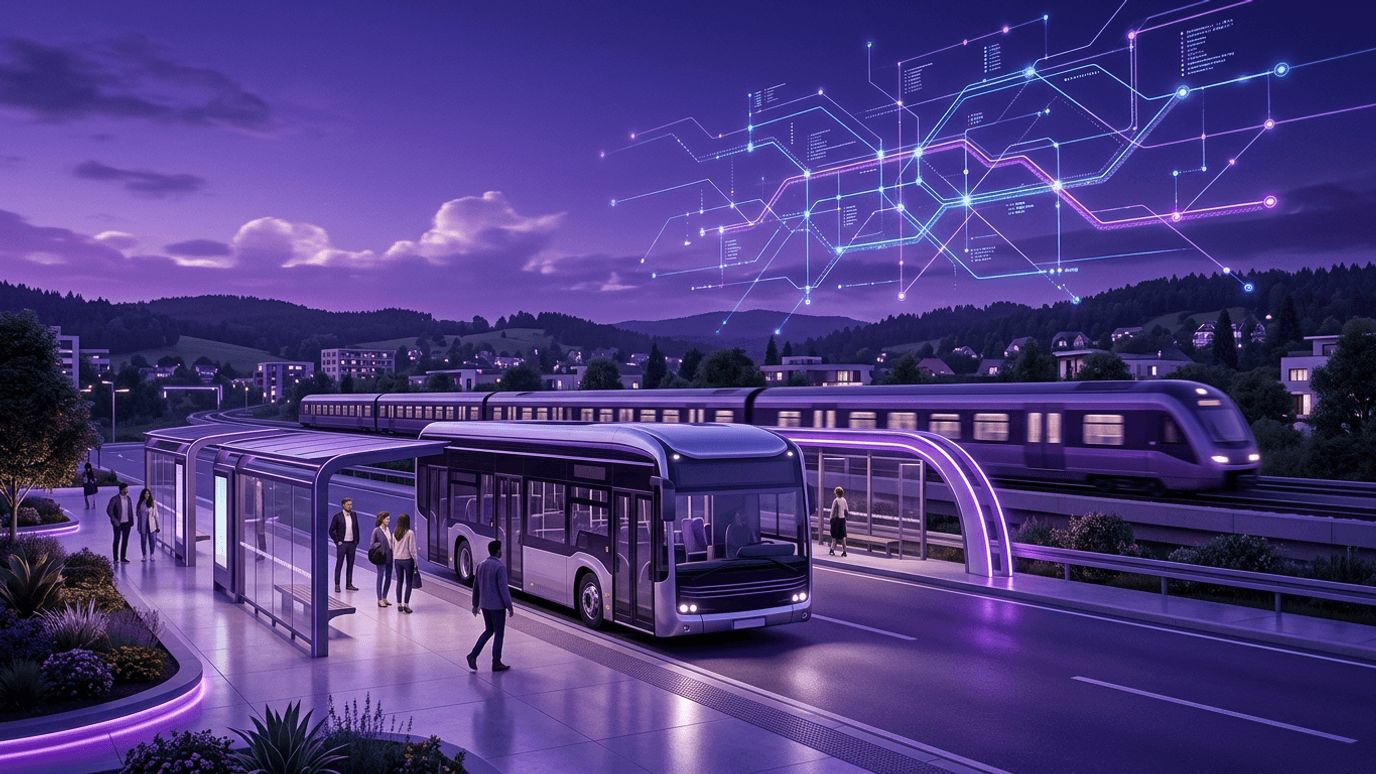
Public Transit in Simi Valley
Simi Valley is often described as a car-dependent suburb, but its public transit network is more useful than many residents realize. Local buses connect neighborhoods with shopping centers, schools, and medical facilities. Regional buses link the city with neighboring Ventura County communities, and commuter rail provides a direct connection to the San Fernando Valley and downtown Los Angeles.
Public transit helps residents save money, reduce stress, and lower emissions. It is especially important for students, seniors, people with disabilities, and households without a car. Here are the ten best public transit services available to Simi Valley residents.
The 10 Best Public Transit Services
1. Simi Valley Transit Fixed Routes
Simi Valley Transit operates the city's local bus routes, connecting residential areas with key destinations including Simi Valley Town Center, the Metrolink station, Adventist Health Simi Valley, community centers, and schools. Its affordable fares and discounts for seniors, students, and people with disabilities make it accessible to everyone.
2. Simi Valley Transit Dial-A-Ride and ADA Service
Simi Valley Transit's Dial-A-Ride and ADA paratransit services provide curb-to-curb transportation for seniors and people with disabilities. Riders schedule trips in advance for medical appointments, shopping, and social activities, helping maintain independence and quality of life.
3. Metrolink Ventura County Line
Metrolink's Ventura County Line stops at the Simi Valley station, offering commuter rail service to Chatsworth, Northridge, Van Nuys, Burbank, and Los Angeles Union Station. Commuters enjoy a predictable, traffic-free trip and can work or relax onboard.
4. Amtrak Pacific Surfliner
The Amtrak Pacific Surfliner serves Simi Valley with service north to Ventura, Santa Barbara, and San Luis Obispo and south to Los Angeles and San Diego. Its comfortable trains and scenic coastal route make it ideal for both commuting and leisure travel.
5. VCTC Intercity
VCTC Intercity buses connect Simi Valley with Moorpark, Thousand Oaks, Camarillo, Oxnard, Ventura, and other Ventura County cities. Its routes serve commuters, college students, and residents traveling to jobs and services across the county.
6. LA Metro
LA Metro operates bus and rail services across Los Angeles County. Simi Valley riders can connect at Chatsworth Station to the Metro G Line, a dedicated busway crossing the San Fernando Valley to North Hollywood, where it links with the Metro B Line subway to Hollywood and downtown.
7. Thousand Oaks Transit
Thousand Oaks Transit provides local bus service in Thousand Oaks and connections to regional routes. Simi Valley residents commuting to jobs, shopping at The Oaks, or attending California Lutheran University can use it in combination with VCTC Intercity.
8. Moorpark City Transit
Moorpark City Transit operates local routes in neighboring Moorpark, including service near Moorpark College and the Moorpark Metrolink station. It is a convenient connection for Simi Valley students and commuters traveling west.
9. Gold Coast Transit District
Gold Coast Transit serves Oxnard, Ventura, Port Hueneme, and Ojai. Combined with VCTC Intercity or Amtrak, it allows Simi Valley residents to reach beaches, harbors, and coastal attractions without driving.
10. LAX FlyAway
The LAX FlyAway bus provides scheduled service between Van Nuys and Los Angeles International Airport. It offers Simi Valley travelers an affordable and stress-free way to reach the airport while avoiding expensive parking.
Making the Most of Public Transit
Use trip-planning apps that combine schedules from multiple agencies to plan connections. Ask about regional passes and transfer policies, which can reduce costs for riders who use several systems. Many buses include bike racks, making it easy to combine cycling with transit. Seniors, students, and people with disabilities should apply for reduced-fare programs.
The Future of Transit in the Region
Transit agencies throughout Southern California are investing in zero-emission buses, real-time arrival information, and contactless fare payment. Rail improvements aim to increase Metrolink and Amtrak service frequency. Microtransit pilots, which offer on-demand shared rides within defined zones, are expanding in suburban communities and could improve first- and last-mile connections.
Who Benefits Most From Transit in Simi Valley
Public transit serves a wide range of Simi Valley residents. High school and college students rely on buses to reach campuses, part-time jobs, and activities. Seniors use local routes and Dial-A-Ride services to attend medical appointments, visit friends, and shop independently. Commuters working in Burbank, Glendale, and downtown Los Angeles often find Metrolink more predictable and less stressful than driving on congested freeways. Visitors without cars can use transit to explore the region economically. Even households that own vehicles can benefit by using transit for specific trips, such as airport travel or downtown events where parking is expensive. Transit also supports the local economy by connecting workers with jobs at retail centers, hospitals, and business parks across the city. As agencies continue to improve frequency, reliability, and technology, these benefits are expected to grow for residents throughout eastern Ventura County.
Final Thoughts
Simi Valley's public transit network provides practical alternatives to driving for local trips, regional commutes, and airport travel. By combining Simi Valley Transit, Metrolink, Amtrak, VCTC Intercity, and LA Metro, residents can travel throughout Southern California affordably and sustainably.