
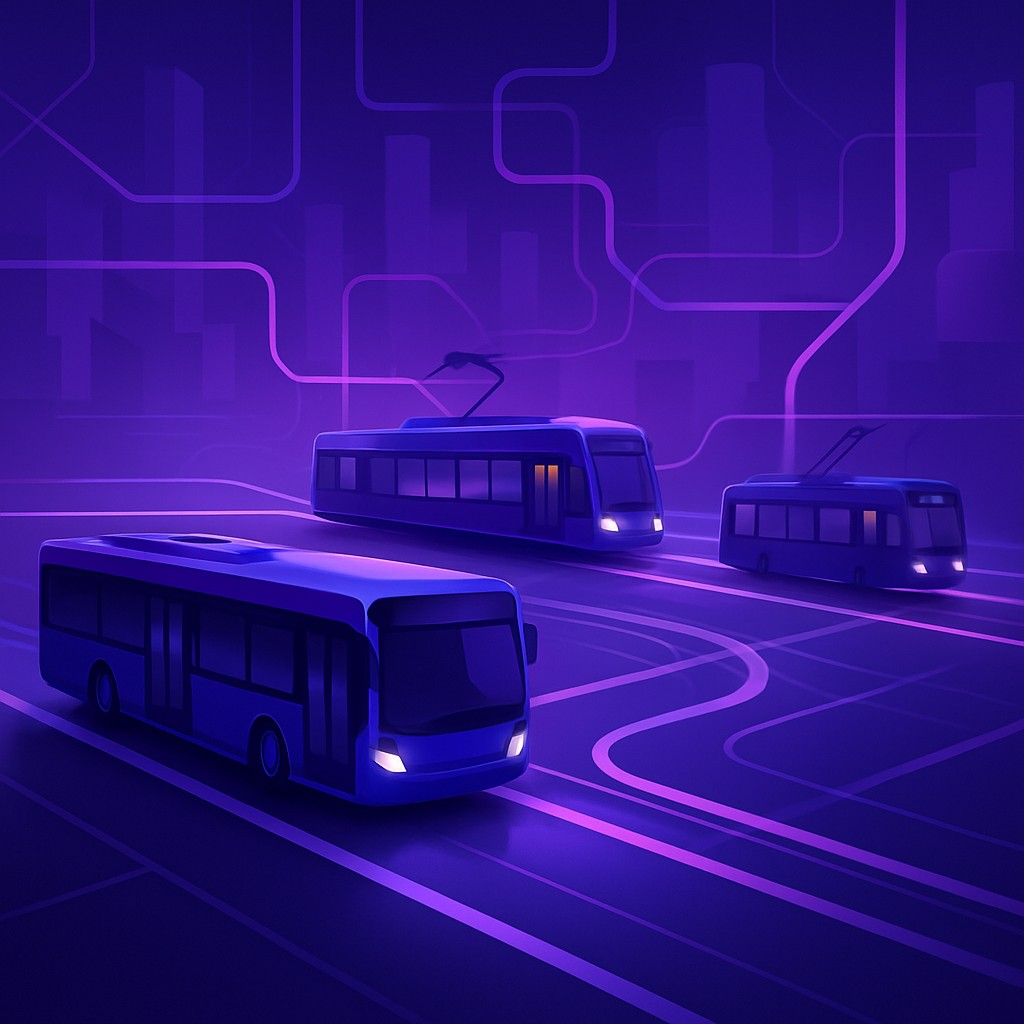
Public Transit at the Heart of Serbian Cities
For millions of Serbians, public transit is an indispensable part of daily life. From the buses and trams that crisscross Belgrade to the regional networks linking smaller towns, public transport provides an affordable, accessible way to move around the country. A well-functioning transit system reduces traffic congestion, lowers emissions, and ensures that people of all incomes can reach work, school, and services. In Serbia, a mix of municipal operators and private companies work together to keep this vital network running.
As cities grow and environmental awareness rises, public transit is receiving renewed attention and investment. Modernization projects, new vehicles, and digital ticketing systems are gradually transforming the passenger experience across the country.
What Makes a Transit System Excellent
A top-quality public transit service is reliable, affordable, and accessible. Frequent schedules, broad coverage, clean and comfortable vehicles, and clear information all contribute to a positive experience. Increasingly, integrated ticketing, real-time arrival information, and accessibility features for passengers with reduced mobility define the best systems. Safety and punctuality remain the foundation on which passenger trust is built.
Leading Public Transit Operators in Serbia
GSP Beograd is the city-owned public transport company of Belgrade and the largest operator in the country. It runs an extensive network of buses, trams, and trolleybuses that carry hundreds of thousands of passengers every day, forming the core of the capital's mobility.
SP Lasta is one of Serbia's most prominent transport companies, operating city, intercity, and international bus routes. With a large fleet and decades of experience, Lasta connects Belgrade with towns across the country and beyond, serving both commuters and long-distance travelers.
JGSP Novi Sad manages public transport in Serbia's second-largest city, providing reliable bus services that link neighborhoods, the university, and surrounding settlements.
JKP Niš-Ekspres serves the city of Niš and its region with a comprehensive bus network, supporting both urban commuters and intercity travel in the south of the country.
Srbija Voz, the national passenger rail operator, complements road transport with rail services connecting major cities. Investments in modern trains and upgraded lines, including faster connections between Belgrade and Novi Sad, are improving the appeal of rail travel.
Numerous regional and municipal operators across cities such as Kragujevac, Subotica, and Čačak provide essential local services, while private bus companies fill important intercity and rural routes.
Industry Trends and Modernization
Serbia's public transit sector is undergoing meaningful modernization. Cities are investing in cleaner vehicles, including modern low-floor buses and electric models, to reduce emissions and improve accessibility. Belgrade's long-discussed metro project, now underway, promises to reshape urban mobility in the capital for generations to come.
Digital transformation is also changing how people use transit. Contactless and mobile ticketing, real-time tracking apps, and integrated fare systems are making journeys more convenient. Rail modernization, including high-speed connections, is shortening travel times and encouraging a shift from road to rail for intercity trips.
Benefits of Public Transit
Public transit offers clear benefits for individuals and society. It provides an affordable alternative to private car ownership, freeing households from the costs of fuel, parking, and maintenance. By moving large numbers of people efficiently, transit reduces traffic congestion and air pollution, contributing to healthier, more livable cities. It also ensures mobility for students, elderly residents, and those without access to a car, supporting social inclusion.
Making the Most of Serbian Transit
Travelers can get the most from Serbia's public transit by familiarizing themselves with local ticketing systems, many of which now offer rechargeable cards and mobile options. Planning journeys with official apps and timetables helps avoid delays, while purchasing tickets in advance can save money. For intercity travel, comparing bus and rail options often reveals the most convenient and economical route.
Conclusion
Public transit forms the backbone of everyday mobility in Serbia, connecting people to opportunity across cities and regions. With ongoing modernization, cleaner vehicles, and digital innovations, the experience for passengers continues to improve. The operators profiled here keep the country moving reliably and affordably, demonstrating the vital role that quality public transport plays in building sustainable and inclusive communities.
The Future of Mobility in Serbia
Serbia's public transit is entering an exciting period of transformation. The construction of the Belgrade metro, the country's first underground rail system, represents a landmark investment that will dramatically expand the capital's transport capacity and ease chronic congestion. Across the country, cities are gradually electrifying their fleets, expanding dedicated bus lanes, and integrating ticketing across different modes of transport. Rail modernization continues apace, with faster, more comfortable services connecting major urban centers. The growing emphasis on connecting public transit with cycling and walking infrastructure points toward a more integrated, sustainable mobility ecosystem. For residents and visitors alike, these developments promise shorter journeys, cleaner air, and a more pleasant travel experience. As Serbia continues to invest in modern, green, and accessible transport, public transit will remain central to the country's vision of livable, future-ready cities.