
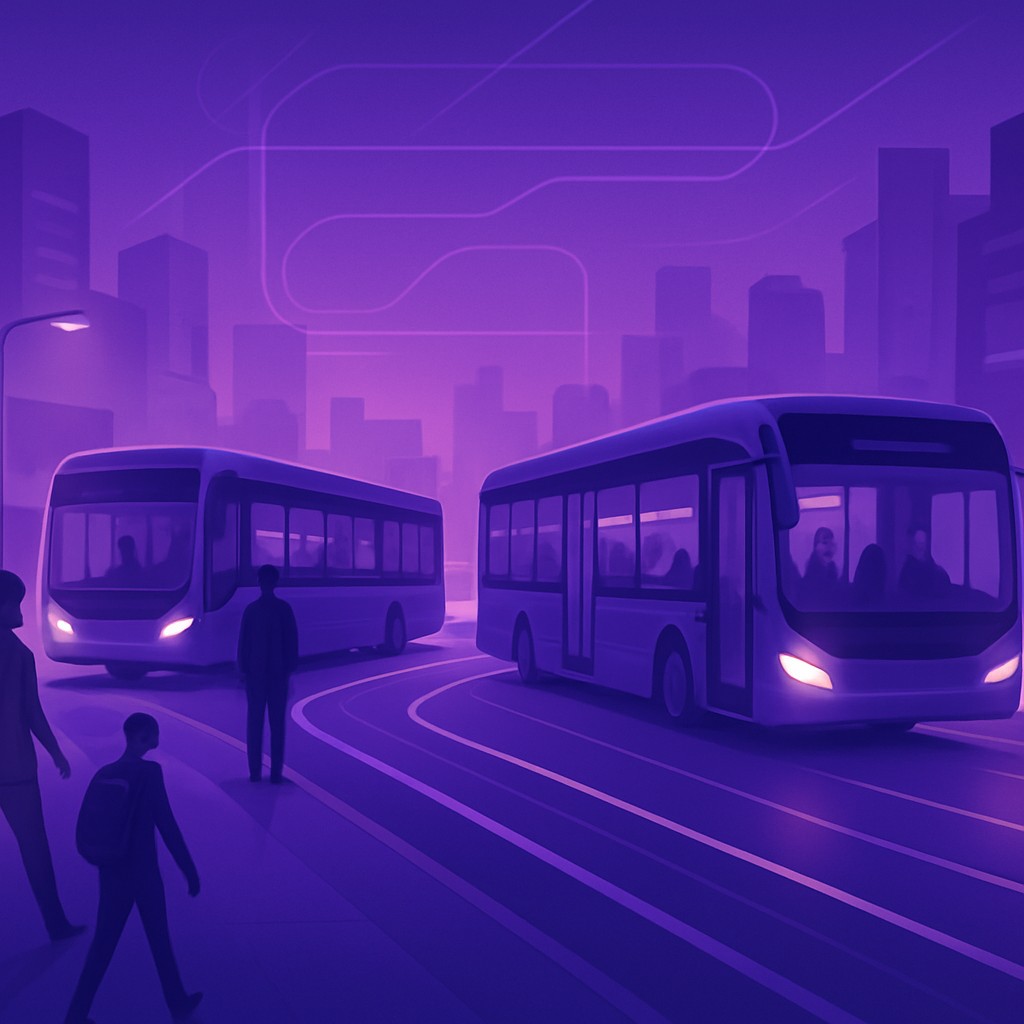
Urban Mobility in Senegal: A Transforming Landscape
Public transit is the lifeblood of urban mobility in Senegal, enabling millions of residents to navigate the bustling streets of Dakar and other cities. As urbanization accelerates and populations grow, efficient public transport has become essential for reducing congestion, improving accessibility, and supporting economic activity. Senegal is undergoing a remarkable transformation in this sector, with major investments modernizing transit systems and improving the daily commute for countless residents.
From traditional buses and shared taxis to cutting-edge bus rapid transit and commuter rail, public transit services in Senegal offer a range of options to meet diverse needs. The best services combine affordability, reliability, and comfort, providing convenient mobility for all segments of society.
The Importance of Reliable Public Transit
Reliable public transit delivers significant benefits for individuals and communities. It provides affordable mobility, enabling people to access employment, education, healthcare, and services. By reducing reliance on private vehicles, public transit eases traffic congestion and lowers emissions, contributing to cleaner and more livable cities.
For the economy, efficient transit supports productivity by ensuring that workers can reach their jobs reliably. It also enhances social inclusion by connecting underserved areas to opportunities. The most effective transit systems are those that are accessible, frequent, and integrated, offering seamless connections across different modes of transport.
Key Public Transit Services in Senegal
Dakar Dem Dikk is the principal public bus operator in the capital, providing extensive urban and suburban services. Its large fleet connects neighborhoods across Dakar and extends to regional destinations, making it a cornerstone of public mobility in Senegal.
Bus Rapid Transit Dakar represents a transformative development in urban transport. This modern system features dedicated lanes, electric buses, and structured stations, offering fast and efficient travel along key corridors. It is designed to reduce congestion and provide a high-quality commuting experience.
Train Express Regional complements the bus network with modern commuter rail services. Connecting Dakar with surrounding areas, this electrified service provides fast and reliable transport, easing pressure on roads and offering a comfortable alternative for daily commuters.
AFTU Minibus Network consists of organized minibus operators that serve numerous routes across the city. These services fill important gaps in the network, providing flexible and affordable transport for many residents.
Shared taxis and informal transport options, including the iconic car rapide minibuses, also remain part of the transport fabric, though formal modernization efforts are gradually transforming the landscape toward more organized and efficient systems.
Trends Shaping Public Transit
Modernization is the defining trend in Senegalese public transit. The introduction of bus rapid transit and commuter rail systems reflects a commitment to building world-class infrastructure that meets the needs of a growing urban population. These projects are setting new standards for comfort, efficiency, and reliability.
Sustainability is a central focus. The adoption of electric buses and electrified rail reduces emissions and supports environmental goals. As cities seek to combat air pollution and climate change, clean public transit is becoming an increasingly important priority.
Integration and digitalization are also gaining momentum. Efforts to connect different transit modes and introduce digital ticketing and payment systems aim to create a more seamless and convenient experience for commuters. These innovations enhance accessibility and encourage greater use of public transport.
Improving the Commuter Experience
Enhancing the commuter experience is a key objective of transit development in Senegal. Modern systems offer comfortable, air-conditioned vehicles, predictable schedules, and well-designed stations that improve the overall journey. Reduced travel times and increased reliability make public transit a more attractive option for residents.
Accessibility improvements, including better infrastructure for pedestrians and connections between transport modes, further enhance convenience. As these efforts continue, public transit is becoming a more integral and appealing part of daily life in Senegalese cities.
Public Transit and Social Inclusion
One of the most significant benefits of well-developed public transit is its contribution to social inclusion. Affordable and accessible transport connects residents of all income levels to employment, education, healthcare, and essential services. For communities in peripheral areas, reliable transit links to city centers can open doors to opportunities that would otherwise remain out of reach, helping to reduce inequality and promote social mobility.
Public transit also empowers groups who may lack access to private vehicles, including students, the elderly, and lower-income workers. By providing dependable mobility, transit systems enable these individuals to participate more fully in economic and social life. The ongoing modernization of Senegal's transit networks, with their emphasis on accessibility and coverage, holds great promise for strengthening social cohesion. As services expand and improve, they have the potential to transform not only how people move but also how communities thrive and connect with one another.
Conclusion
Public transit services are essential to the functioning and growth of Senegal's cities, providing affordable, reliable mobility for millions of residents. The sector is undergoing a remarkable transformation, with modern bus rapid transit, commuter rail, and organized bus networks improving the commuting experience. As sustainability, integration, and digitalization advance, public transit is poised to play an even greater role in shaping livable, connected cities. For residents and visitors alike, Senegal's evolving transit systems offer convenient and increasingly modern ways to navigate urban life.