
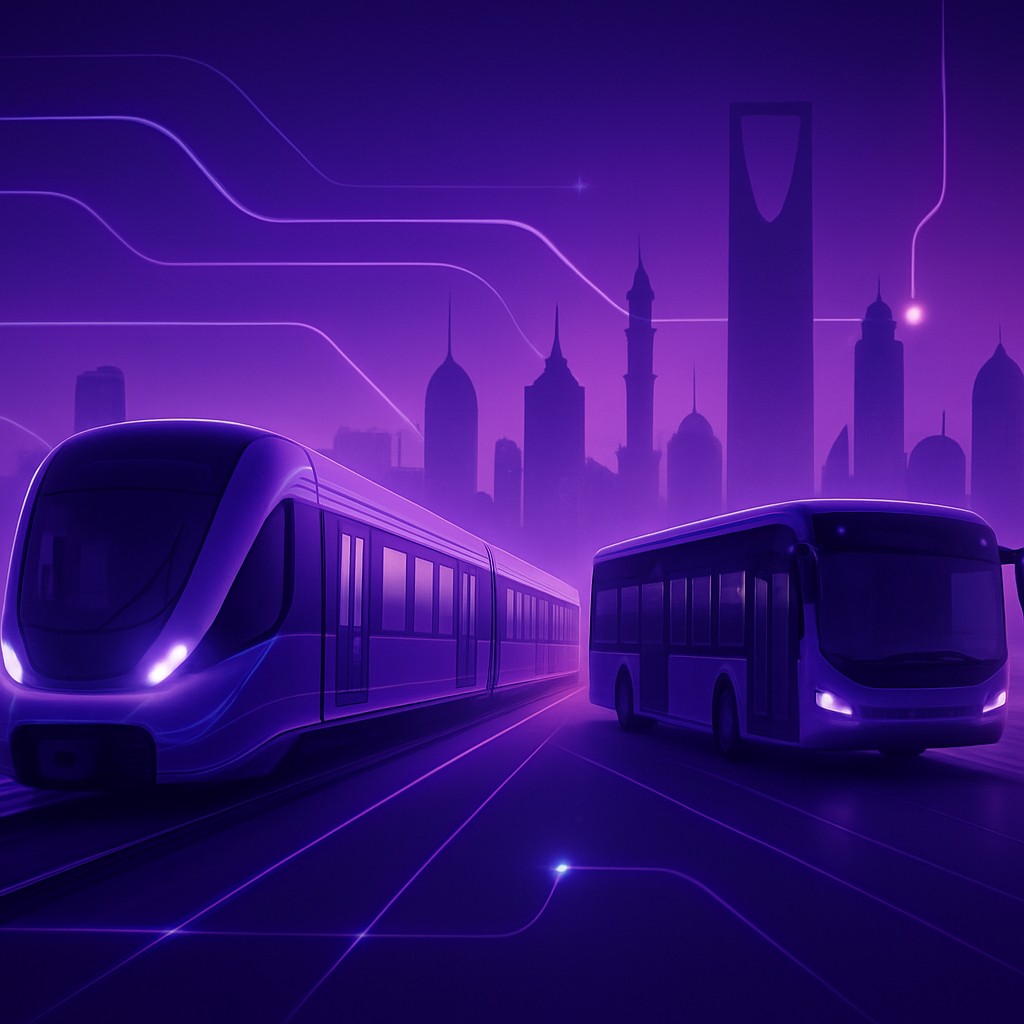
A New Era of Public Transit
Public transportation in Saudi Arabia is undergoing a remarkable transformation. Historically reliant on private vehicles, the Kingdom is now investing billions in world-class metro systems, bus networks, and integrated transit solutions. These efforts, central to Vision 2030, aim to reduce traffic congestion, lower emissions, and provide affordable, efficient mobility for residents and visitors alike.
Major cities such as Riyadh, Jeddah, and Makkah are leading the way with ambitious transit projects. From driverless metro lines to expansive bus rapid transit systems, public transport is becoming an attractive and convenient alternative to driving, reshaping urban life across the country.
What Makes Public Transit Excellent
High-quality public transit is defined by reliability, frequency, coverage, affordability, and passenger comfort. Modern systems integrate smart ticketing, real-time arrival information, and seamless connections between modes. Accessibility, cleanliness, and safety are also essential, ensuring transit serves all members of society effectively.
Leading Public Transit Services
Riyadh Metro is the centerpiece of the capital's transformation, featuring multiple lines of automated, driverless trains that connect key districts and dramatically improve urban mobility.
Riyadh Bus complements the metro with an extensive network of modern buses, offering integrated ticketing and broad coverage across the city.
SAPTCO (Saudi Public Transport Company) is the national transit operator, providing intercity and urban bus services that connect cities and regions across the Kingdom.
Haramain High Speed Railway serves as a vital transit link between Makkah, Madinah, Jeddah, and the airport, easing travel for residents and pilgrims.
Makkah Bus enhances mobility in the holy city with modern bus services designed to handle both daily commuters and seasonal pilgrim crowds.
Jeddah Public Transport initiatives are expanding bus and future metro networks to serve the Kingdom's bustling commercial hub.
Makkah Metro projects provide dedicated rail links that ease congestion during peak pilgrimage seasons.
Madinah public transport services offer reliable bus networks supporting both residents and visitors to the holy city.
Dammam regional transit programs are developing integrated transport solutions for the Eastern Province.
Careem and ride-hailing services complement formal transit by offering flexible, app-based mobility that bridges first and last-mile gaps.
Trends Driving Transit Growth
Smart technology is central to Saudi transit modernization, with contactless payment, mobile apps, and real-time tracking enhancing convenience. Driverless trains and electric buses reflect a commitment to innovation and sustainability. Integration between metro, bus, and ride-hailing services is creating seamless, multimodal journeys for passengers.
Building Sustainable Cities
Public transit is key to creating livable, sustainable cities in Saudi Arabia. By offering efficient alternatives to private cars, transit reduces congestion, improves air quality, and connects communities. As ridership grows, these services will play a vital role in supporting economic activity and enhancing quality of life.
Conclusion
Saudi Arabia's public transit landscape is evolving rapidly, with landmark projects like the Riyadh Metro setting new standards for the region. From comprehensive bus networks to high-speed rail and ride-hailing integration, residents now enjoy more mobility options than ever. As the Kingdom continues to invest, public transit will remain at the heart of its urban future.