
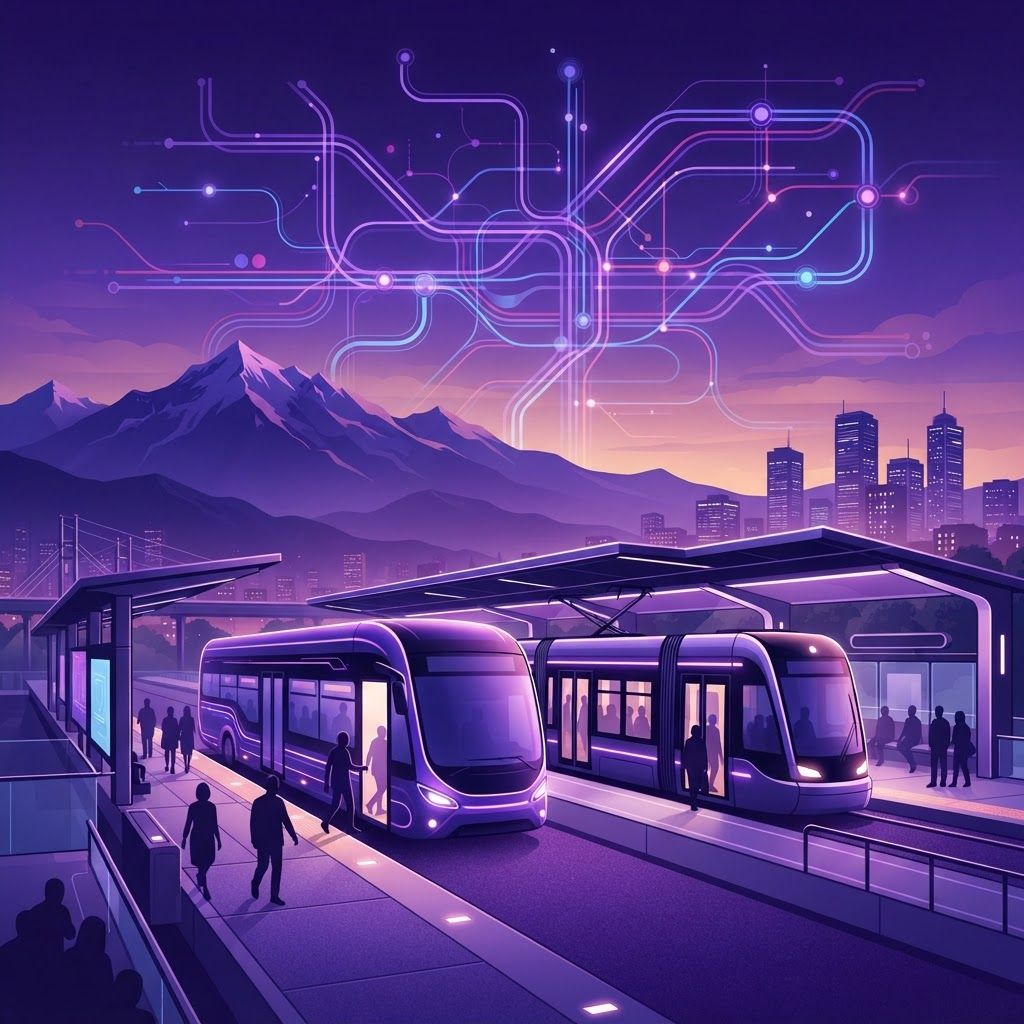
Public Transit in a Car Oriented Region
Southern California has a reputation for automobile dependence, and San Bernardino was largely built during the era that produced it. Yet the city has quietly assembled one of the more functional transit networks in the Inland Empire, anchored by a downtown transit center where buses and rail meet under one roof. For students commuting to campus, workers heading to distribution centers on early shifts and residents traveling to medical appointments, transit is a genuine alternative rather than a last resort.
Understanding the network requires recognizing that several agencies operate here, each serving a different geography. Local buses cover neighborhoods and commercial corridors. Regional rail connects to Los Angeles County. Mountain and desert services link outlying communities. On demand microtransit fills gaps where fixed routes are impractical.
The Ten Most Useful Public Transit Services
1. Omnitrans. Omnitrans is the primary bus operator for the San Bernardino Valley, running local routes and the sbX bus rapid transit corridor. The rapid service along the E Street corridor uses dedicated lanes and station platforms, cutting travel time between downtown and the university area considerably compared with local buses.
2. Metrolink San Bernardino Line. This commuter rail line is the workhorse for travel toward Los Angeles Union Station, with intermediate stops across the corridor. For commuters, the ability to work or rest during a long trip is a substantial quality of life improvement over driving.
3. Arrow Rail Service. Arrow connects the San Bernardino Transit Center with Redlands, serving university, hospital and downtown destinations. Its frequent schedule makes short trips practical without planning around a sparse timetable.
4. San Bernardino Transit Center. More than a station, the transit center is the coordinating hub of the entire regional network. Timed transfers between rail and multiple bus operators happen here, and it is the single most important facility for anyone planning a multi leg journey.
5. Mountain Transit. Mountain Transit serves Big Bear, Lake Arrowhead and surrounding communities, including connections down the hill. It is essential for mountain residents who work in the valley and for visitors who prefer not to drive winding roads in winter.
6. Victor Valley Transit Authority. Serving the high desert communities north of the pass, this agency provides commuter connections that link Victorville and Hesperia area residents to valley destinations and rail service.
7. Riverside Transit Agency. Neighboring Riverside County service extends into corridors that San Bernardino residents frequently use for work, education and medical care, making cross county trips feasible with a single transfer.
8. Foothill Transit. Operating in the San Gabriel Valley, Foothill Transit provides westward connections that complement Metrolink, particularly for travelers heading toward Pomona and points beyond during hours when rail service is limited.
9. Access Services and Omnitrans Access Paratransit. Paratransit provides door to door service for riders whose disabilities prevent use of fixed route buses. Eligibility is certified in advance, and the service is a lifeline for medical and personal travel.
10. OmniRide Microtransit. On demand shuttle service covers zones where fixed routes are inefficient, letting riders request a trip through an app. It has proven especially useful for first and last mile connections to rail stations.
Fares, Passes and Practical Tips
Single ride fares are inexpensive, but regular riders save significantly with day passes or monthly passes. Students, seniors and riders with disabilities generally qualify for reduced fares with proper identification. Mobile ticketing has largely replaced paper transfers, and having the app installed before your first trip avoids delays at boarding.
Plan around frequency rather than distance. A route running every fifteen minutes is far more usable than one running hourly even if the hourly route is more direct, because a missed connection on an infrequent line dominates total travel time. Check schedules for weekends and evenings separately, since service levels differ meaningfully from weekday peaks.
Heat, Comfort and Safety
Summer temperatures in the Inland Empire routinely reach uncomfortable levels, so shaded stops, water and timing matter. Buses and trains are air conditioned, but waiting is the vulnerable part of the trip. Riders traveling in the early morning or late evening should use well lit, populated stops and the transit center where possible. Agencies publish rider conduct and safety information that is worth reviewing once.
Transit and Regional Development
Investment in bus rapid transit and modern rail vehicles reflects a broader regional strategy to reduce emissions and expand access to jobs. Employment centers in warehousing and healthcare frequently operate on shift schedules that traditional commuter service handled poorly, and agencies have gradually adjusted spans of service to match. Continued growth depends on frequency improvements and better first mile connections, which is exactly where microtransit is being targeted.
Final Thoughts
San Bernardino transit rewards riders who learn the network. With a hub oriented design, rapid bus corridors, commuter rail and on demand shuttles, most common trips are achievable without a car. Start by mapping your two or three most frequent destinations, identify the highest frequency service that reaches them and buy the appropriate pass.