
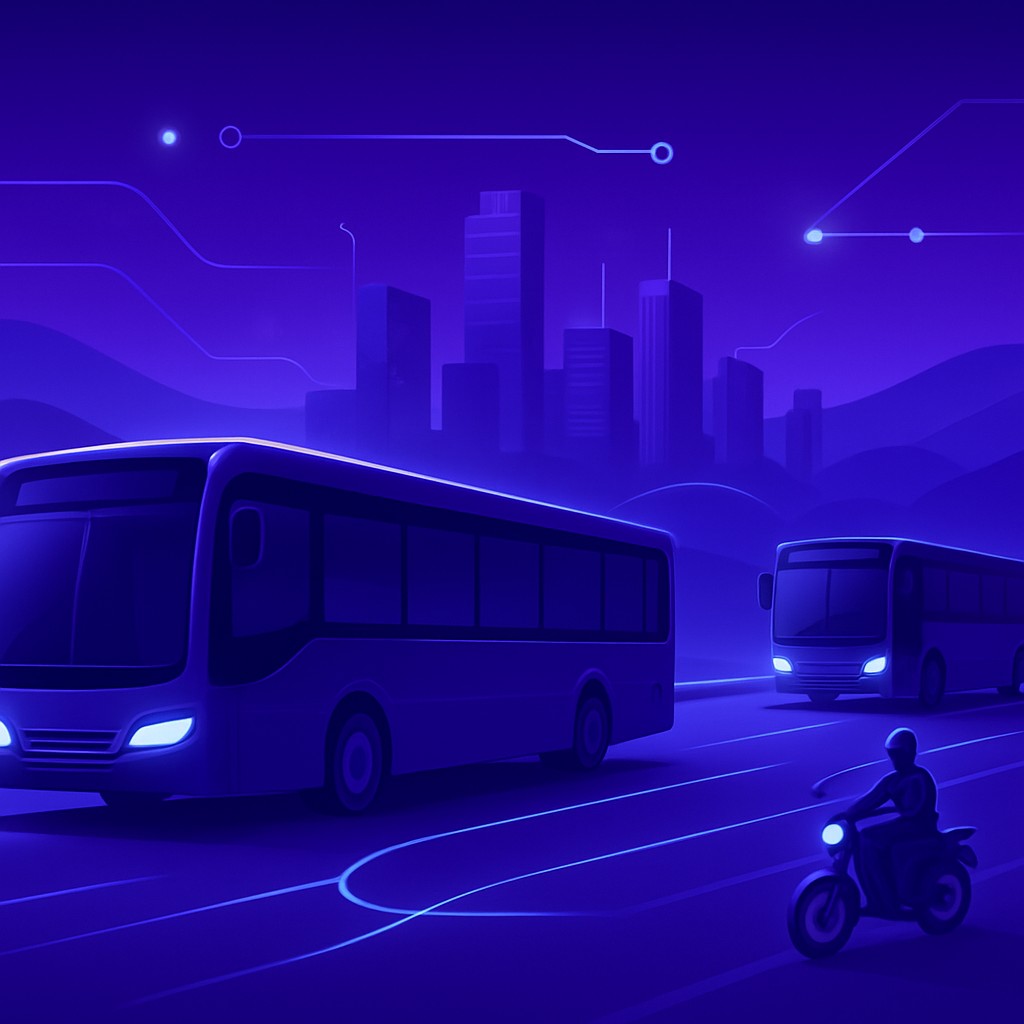
A Model of Organized Public Transit
Rwanda's public transit system is widely regarded as one of the most organized and efficient in East Africa. Through deliberate planning, regulation, and technology adoption, the country has transformed urban mobility, particularly in Kigali, where commuters enjoy clean, reliable, and affordable transport options. The introduction of cashless fare systems, dedicated bus operators, and ride-hailing platforms has modernized the way Rwandans move around their cities and between regions. This commitment to orderly, accessible transit reflects Rwanda's broader reputation for good governance and forward-thinking development.
Public transit is essential to daily life, connecting workers to jobs, students to schools, and traders to markets. A well-functioning system reduces congestion, lowers transport costs, and supports economic activity across the country.
The Tap-and-Go Revolution
One of the most notable features of Rwanda's public transit is the widespread adoption of cashless fare payment. Commuters use smart cards and mobile-based systems to tap and pay as they board, eliminating the need for cash and speeding up boarding. This innovation has improved efficiency, reduced fare disputes, and provided transit operators with valuable data to optimize routes and schedules.
The Top 10 Public Transit Services
1. Kigali Bus Services (KBS) is a leading operator providing reliable city and intercity bus routes with modern vehicles and adherence to scheduled service.
2. Royal Express offers comfortable intercity coach services connecting Kigali to major towns across Rwanda with a reputation for punctuality.
3. Volcano Express is a popular long-distance bus operator known for reliable service to regional destinations and neighboring countries.
4. RFTC (Rwanda Federation of Transport Cooperatives) coordinates a large network of bus services, playing a central role in organized urban and rural transit.
5. Yego Cabs provides regulated ride-hailing and metered taxi services, integrating technology for transparent fares and convenient booking.
6. Move Rwanda offers a popular ride-hailing app connecting passengers with cars and motorcycle taxis for flexible urban mobility.
7. VW Mobility Solutions Rwanda delivers app-based ride-hailing with a fleet of locally assembled vehicles, emphasizing comfort and reliability.
8. Kigali Moto Taxis represent the ubiquitous and regulated motorcycle taxi sector, offering fast, affordable point-to-point transport.
9. Capital Express provides dependable intercity bus connections with comfortable coaches and consistent schedules.
10. Excel Tours and Transport rounds out the list with charter and scheduled services serving both commuters and travelers.
Motorcycle Taxis and Ride-Hailing
Motorcycle taxis remain a defining feature of Rwandan mobility, offering quick and affordable transport that navigates traffic with ease. The sector has been professionalized through regulation, mandatory helmets, and integration with ride-hailing apps that provide GPS tracking and transparent fares. Alongside car-based ride-hailing services, these options give commuters flexible, on-demand alternatives to fixed-route buses.
Toward Greener Transit
Rwanda is increasingly embracing sustainable transport, with growing interest in electric buses and motorcycles. Government initiatives encourage the adoption of clean vehicles, aligning public transit with the country's environmental commitments. Electric motorcycle taxis and charging infrastructure are emerging as part of a broader vision for green, low-emission urban mobility.
Benefits of an Organized System
Rwanda's investment in organized public transit delivers wide-ranging benefits. Commuters enjoy predictable schedules, fair fares, and improved safety. Reduced congestion and emissions contribute to cleaner, more livable cities. The use of data from cashless systems enables continuous improvement in service planning. Together, these factors make public transit a reliable and attractive option for residents and visitors alike.
Conclusion
Rwanda's public transit services stand as a regional model of organization, innovation, and accessibility. From modern buses with cashless fares to regulated motorcycle taxis and tech-driven ride-hailing, the system offers diverse, reliable options for every journey. As the country continues to invest in greener and smarter mobility, its public transit sector is set to remain a cornerstone of efficient and sustainable urban life.