
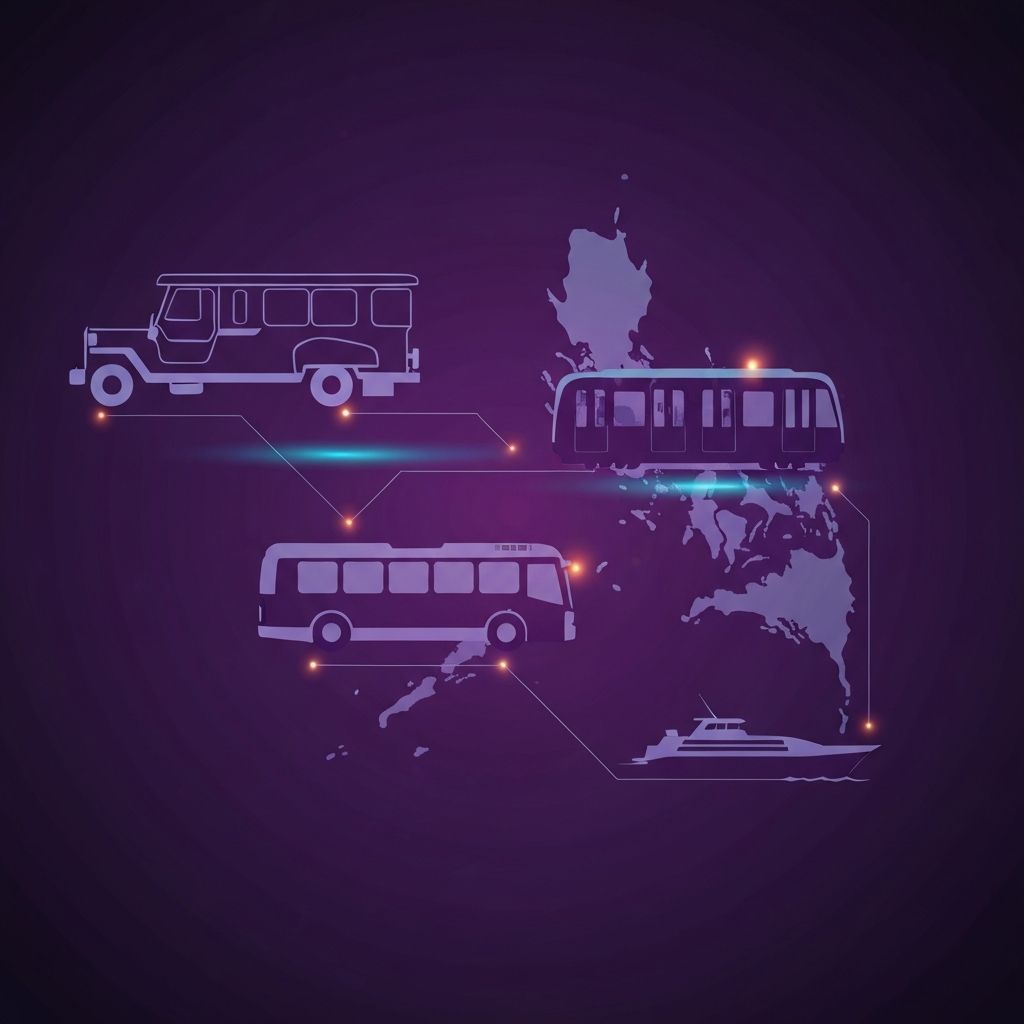
An Overview of Philippine Public Transit
Public transportation in the Philippines is a vibrant tapestry of vehicles, routes, and operators that reflect the country's unique geography and culture. From the iconic jeepney roaring through Manila streets to high-speed ferries crossing the Visayan Sea, public transit is the lifeline of millions of commuters daily. The system continues to evolve as the government, private operators, and technology companies work together to modernize services, reduce traffic, and provide more reliable mobility.
This guide presents the top 10 public transit services in the Philippines that play significant roles in connecting communities, supporting economic activity, and shaping the country's commuter experience.
1. Light Rail Transit Authority (LRT)
The Light Rail Transit (LRT) network, including LRT-1 and LRT-2, is one of the oldest and most important rail systems in Metro Manila. Serving hundreds of thousands of passengers each day, LRT lines connect key areas like Pasay, Manila, Quezon City, and Marikina. Continuous expansions and station upgrades aim to improve commuter experience and capacity.
2. Metro Rail Transit (MRT-3)
The MRT-3 line runs along EDSA, the busiest thoroughfare in Metro Manila, linking North Avenue in Quezon City to Taft Avenue in Pasay. As one of the most heavily used train systems in the country, MRT-3 plays a crucial role in easing road congestion and offering an efficient alternative to bus and car travel along this critical corridor.
3. Philippine National Railways (PNR)
PNR provides commuter rail services across Metro Manila and parts of Southern Luzon. With ongoing modernization plans including the North-South Commuter Railway project, PNR is set to play an even bigger role in long-distance commuting, connecting provinces with major urban centers through improved trains and infrastructure.
4. Modern Jeepneys
The traditional jeepney remains a cultural icon, but modern jeepneys are now changing the urban landscape. Equipped with air conditioning, GPS, automated fare collection, and Euro-compliant engines, these new vehicles offer a more comfortable and environmentally friendly alternative while maintaining the affordable fares Filipinos rely on.
5. Point-to-Point (P2P) Bus Services
P2P buses have transformed inter-city travel within Metro Manila and nearby provinces. With direct routes, premium seating, Wi-Fi, and no in-between stops, providers like RRCG and HM Transport offer professionals and travelers a faster, safer, and more comfortable alternative to traditional buses.
6. Victory Liner
Victory Liner is one of the largest provincial bus operators in the Philippines, connecting Metro Manila with Northern Luzon destinations such as Baguio, La Union, and Pangasinan. Known for its punctuality, modern fleet, and frequent schedules, Victory Liner is a trusted choice for both daily commuters and weekend travelers.
7. DLTBCo
DLTBCo is a leading bus company serving Southern Luzon, with routes to Batangas, Quezon, Bicol, and Laguna. Offering both regular and premium air-conditioned buses, DLTBCo has built a strong reputation among long-distance travelers seeking reliable and reasonably priced transportation.
8. 2GO Travel
For inter-island travel, 2GO Travel stands as the premier passenger ferry service in the Philippines. Connecting Manila, Cebu, Iloilo, Cagayan de Oro, and other major ports, 2GO Travel provides comfortable cabins, dining options, and onboard entertainment, making sea travel both practical and enjoyable.
9. UV Express
UV Express vans serve a vital role in Metro Manila and surrounding provinces, offering faster, point-to-point shared rides at affordable prices. They fill the gap between jeepneys and full-service buses, particularly along major commuter routes that connect residential suburbs with business districts.
10. Cebu MyBus
Outside Metro Manila, Cebu MyBus has set a strong example of modern urban transit. Serving the Cebu Metropolitan Area, MyBus offers air-conditioned, dedicated-route services with cashless payment options. It is widely praised for reliability, cleanliness, and improving the overall commuter experience in the Visayas region.
Modernization and Innovation
The Philippine government's Public Utility Vehicle Modernization Program is reshaping public transport by phasing out aging vehicles in favor of safer, cleaner, and more efficient alternatives. Cashless fare systems such as the Beep card and various mobile payment platforms are becoming standard across rail lines, P2P buses, and even some jeepney routes, making travel more convenient and reducing cash-handling issues.
Ride-hailing apps and transport-tech startups are also influencing public transit by providing real-time information, route planning, and digital ticketing solutions. The integration of digital tools with traditional transport modes is gradually creating a more seamless mobility experience for Filipino commuters.
Challenges and Opportunities
Despite progress, public transit in the Philippines still faces challenges including traffic congestion, aging infrastructure, and the need for more inclusive design. Investments in new rail lines such as the Metro Manila Subway, the MRT-7, and expanded bus rapid transit systems hold the promise of dramatically improving urban mobility in the coming years.
Sustainable initiatives, including electric jeepneys and electric buses, are gaining traction as the country works toward greener transportation. These initiatives align with broader environmental goals and offer a glimpse into the future of public transit in the Philippines.
Conclusion
The Philippine public transit landscape is a dynamic blend of tradition and innovation. From historic jeepneys and trusted bus lines to modern rail systems and inter-island ferries, these top 10 services collectively keep the country moving. As modernization continues, Filipino commuters can look forward to safer, faster, and more sustainable transit options that match the demands of modern life.