
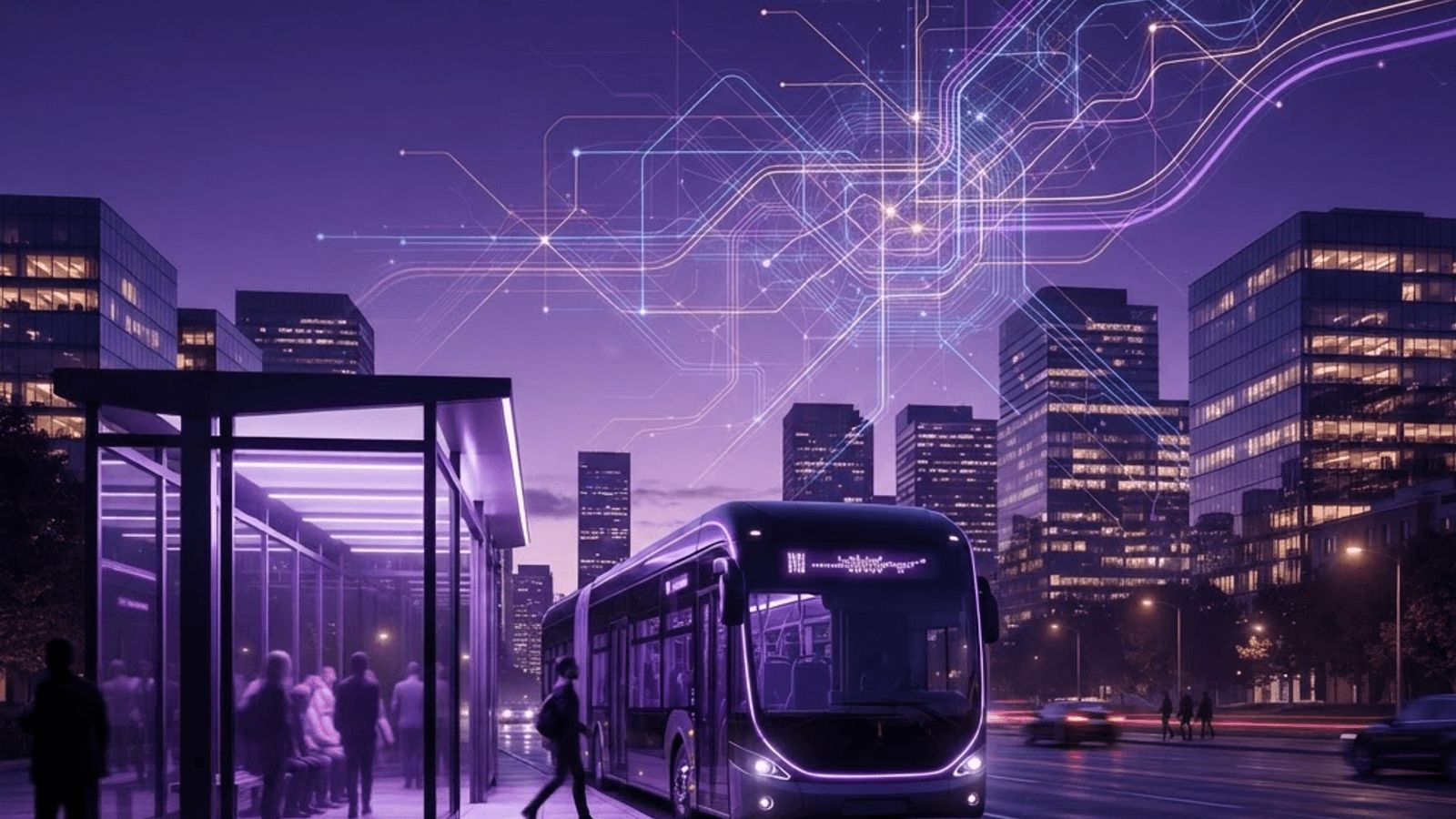
Transit in a Car-Oriented Suburb
Overland Park was largely built after the automobile became dominant, and its street network reflects that: wide arterials on a mile grid, generous parking, and destinations spread across roughly seventy square miles. Fixed-route transit is inherently difficult to operate efficiently in that environment, because riders and jobs are dispersed rather than concentrated.
Even so, the city and county have built a meaningful transit and mobility network. It serves commuters heading to downtown Kansas City, workers traveling to jobs along the office corridors, students, older adults, and residents with disabilities. Understanding what exists and what it is good for makes a real difference in whether transit works for a given trip.
The Top 10 Transit and Mobility Services
1. RideKC Bus Network
The metro-wide bus system operated in coordination across jurisdictions, providing the backbone of regional transit. Routes connect Johnson County with downtown Kansas City, Country Club Plaza, and major employment centers, with a unified fare and trip planning system across the metro.
2. Johnson County Transit Connex Routes
Local fixed routes serving Overland Park and neighboring cities, linking residential areas with shopping districts, community colleges, and office corridors. These routes carry the majority of local ridership and offer the most useful in-county coverage.
3. Commuter Express Service to Downtown Kansas City
Peak-period express buses running from Johnson County park-and-ride lots to downtown, with limited stops and highway routing. For office workers commuting downtown, this is frequently faster than driving during rush hour once parking costs and traffic are accounted for.
4. RideKC Freedom Paratransit
Federally mandated complementary paratransit for riders whose disabilities prevent use of fixed-route service. Provides curb-to-curb trips within defined service areas, scheduled in advance, at fares set well below commercial rates.
5. RideKC Freedom On-Demand
A subsidized on-demand service functioning much like a rideshare program for eligible riders, including seniors and people with disabilities. Fills gaps where fixed routes do not operate or where transfers would make a trip impractical.
6. Johnson County Micro Transit and Flex Zones
Zone-based service where riders request a pickup within a defined area rather than waiting at a fixed stop. Better suited to low-density suburban geography than traditional routes, and increasingly used to connect neighborhoods to route trunk lines.
7. Park-and-Ride Facilities
Free parking lots positioned near highway access points allowing drivers to complete their commute by bus. The practical bridge between suburban living and transit use, and the single most effective way for Overland Park residents to use the system.
8. Regional Vanpool Programs
Employer- and agency-supported vanpools grouping commuters traveling similar routes, with subsidized vehicle costs and preferred parking at many worksites. Cost per rider is typically far below driving alone, and schedules are set by the group.
9. Bikeshare and Micromobility Services
Shared bicycles, electric bikes, and scooters serving first-mile and last-mile connections. Combined with the county's extensive paved trail network, these options make transit viable for trips that end a mile from a bus stop.
10. Trail Network as Active Transportation
Overland Park maintains an unusually strong system of paved multi-use trails, including corridors connecting parks, schools, and commercial districts. For many short trips, walking or cycling on the trail network is faster and more pleasant than driving.
How to Use Transit Effectively Here
Be realistic about trip types. Transit works best for commuting to concentrated employment areas, particularly downtown Kansas City, and for travel along major arterial corridors. It works poorly for cross-suburb trips with multiple stops, which is where micro transit and on-demand services increasingly help.
Plan around frequency. Suburban routes generally operate on longer headways than urban ones, which means missing a bus carries a larger time penalty. Use the regional trip planning tools and real-time arrival information rather than relying on printed schedules.
Combine modes deliberately. The most successful suburban transit users drive or bike to a park-and-ride, take an express bus to a job center, and use micromobility or walking for the final segment. Treating transit as one link rather than the entire trip dramatically expands what is practical.
Fares, Passes, and Cost
Regional fares are modest, and monthly passes reduce per-trip cost substantially for daily commuters. Reduced fares are available for seniors, riders with disabilities, students, and veterans. Many Johnson County employers subsidize transit passes or vanpool participation as a commuter benefit, and pre-tax commuter accounts further lower the effective cost.
Compared with the full cost of driving, including fuel, maintenance, insurance, depreciation, and downtown parking, transit commuting frequently saves a meaningful amount annually for those whose routes it serves.
The Outlook for Suburban Transit
Regional planning continues to emphasize flexible, demand-responsive service over expanding thin fixed routes, which suits Johnson County's development pattern. Investment in bus stop amenities, real-time information, and trail connectivity is ongoing, and interest in bus rapid transit along major corridors persists in regional planning discussions.
As Overland Park continues adding mixed-use, higher-density development, particularly along Metcalf Avenue and near downtown Overland Park, the underlying conditions for effective transit improve.
Final Thoughts
Public transit in Overland Park is genuinely useful for the right trips, especially commuting to Kansas City, traveling along major corridors, and for riders eligible for paratransit and on-demand programs. Use park-and-ride lots, combine transit with cycling and the trail network, take advantage of employer subsidies, and rely on real-time information. Within those parameters, going car-light in Johnson County is very achievable.