
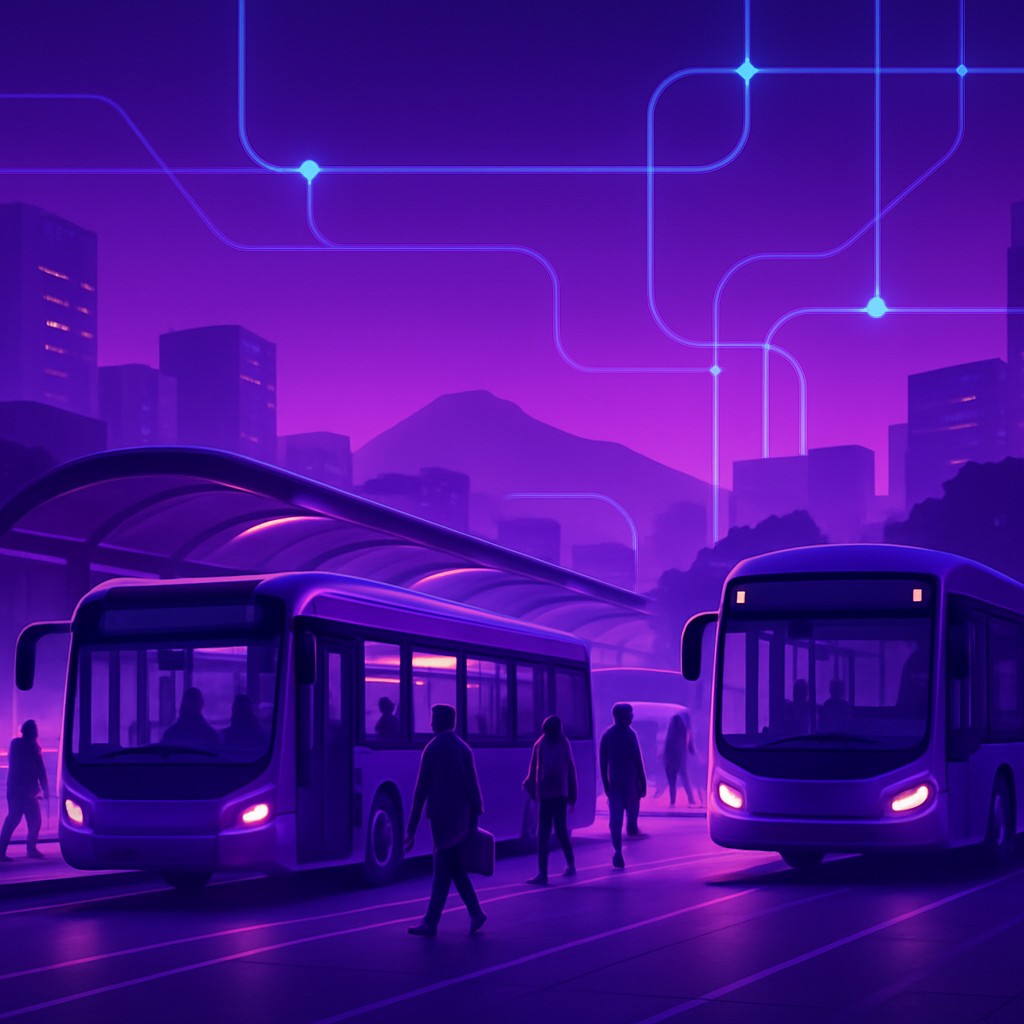
Public Transit as a Lifeline
Public transit services are essential to daily life in Nicaragua, providing affordable and accessible mobility for millions of people. In cities like Managua, León, and Granada, public transportation enables residents to commute to work, attend school, access healthcare, and participate in community life. For many Nicaraguans, public transit is the primary means of getting around, making it a vital component of the country's social and economic fabric.
The public transit system in Nicaragua encompasses a variety of services, from urban bus networks to shared taxis and informal transport options. Together, these services form a comprehensive network that connects neighborhoods, cities, and rural areas, supporting the everyday needs of the population.
Urban Bus Networks
Urban bus networks are the cornerstone of public transit in Nicaragua's cities. These buses operate on established routes, carrying large numbers of passengers across urban areas at affordable fares. In Managua, the capital, the bus network serves as the primary mode of public transportation, connecting residential neighborhoods with commercial centers, markets, and institutions.
The affordability and extensive coverage of urban buses make them indispensable for daily commuters. Efforts to modernize fleets and improve service quality continue to enhance the experience for passengers, reflecting a commitment to better public transit. These networks remain the most widely used form of transportation in Nicaragua's urban centers.
Shared Taxis and Collective Transport
Shared taxis and collective transport options play an important role in Nicaragua's public transit landscape. These services offer flexible, affordable transportation that complements the bus network, filling gaps in coverage and providing convenient options for shorter trips. Shared taxis often operate along popular routes, picking up multiple passengers heading in the same direction.
Collective transport provides a balance between the affordability of buses and the convenience of private taxis. For many residents, these options offer a practical solution for navigating the city, especially in areas where bus service may be limited. Their flexibility makes them a valued part of the transit ecosystem.
Connecting Cities and Communities
Public transit in Nicaragua extends beyond city limits, connecting urban centers with surrounding towns and rural communities. Intercity buses and regional services link departments and provide access to markets, employment, and services for people throughout the country. This connectivity is essential for economic activity and social integration.
For rural residents, public transit offers a crucial link to opportunities and resources in larger cities. The network of intercity and regional services ensures that even remote communities remain connected, supporting the mobility and well-being of people across Nicaragua's diverse geography.
Affordability and Accessibility
One of the greatest strengths of Nicaragua's public transit services is their affordability. Low fares make transportation accessible to people of all income levels, ensuring that mobility is not a barrier to participation in economic and social life. This affordability is especially important for low-income families who depend on public transit for their daily needs.
Accessibility extends to the broad geographic coverage of transit services, which reach urban, suburban, and rural areas. By providing affordable and widely available transportation, public transit services support equity and inclusion, enabling all Nicaraguans to access opportunities and essential services.
Modernization and Future Improvements
Nicaragua's public transit sector continues to evolve, with ongoing efforts to modernize services and improve the passenger experience. Investments in newer buses, better infrastructure, and enhanced route planning aim to make public transit more efficient, comfortable, and reliable. These improvements reflect a commitment to meeting the growing mobility needs of the population.
As cities grow and demand increases, the modernization of public transit becomes ever more important. Future improvements may include better integration of services, enhanced accessibility features, and the adoption of cleaner technologies, all of which would strengthen the role of public transit in Nicaragua's development.
The Value of Public Transit
Public transit services are a cornerstone of mobility and opportunity in Nicaragua. By providing affordable, accessible transportation, they enable millions of people to navigate their daily lives, access opportunities, and connect with their communities. The diverse network of urban buses, shared taxis, and intercity services forms an essential system that supports the country's social and economic vitality.
As Nicaragua continues to develop, the importance of reliable and efficient public transit will only grow. Continued investment and modernization will ensure that public transit services remain a vital lifeline, supporting the mobility and prosperity of communities throughout the nation.