
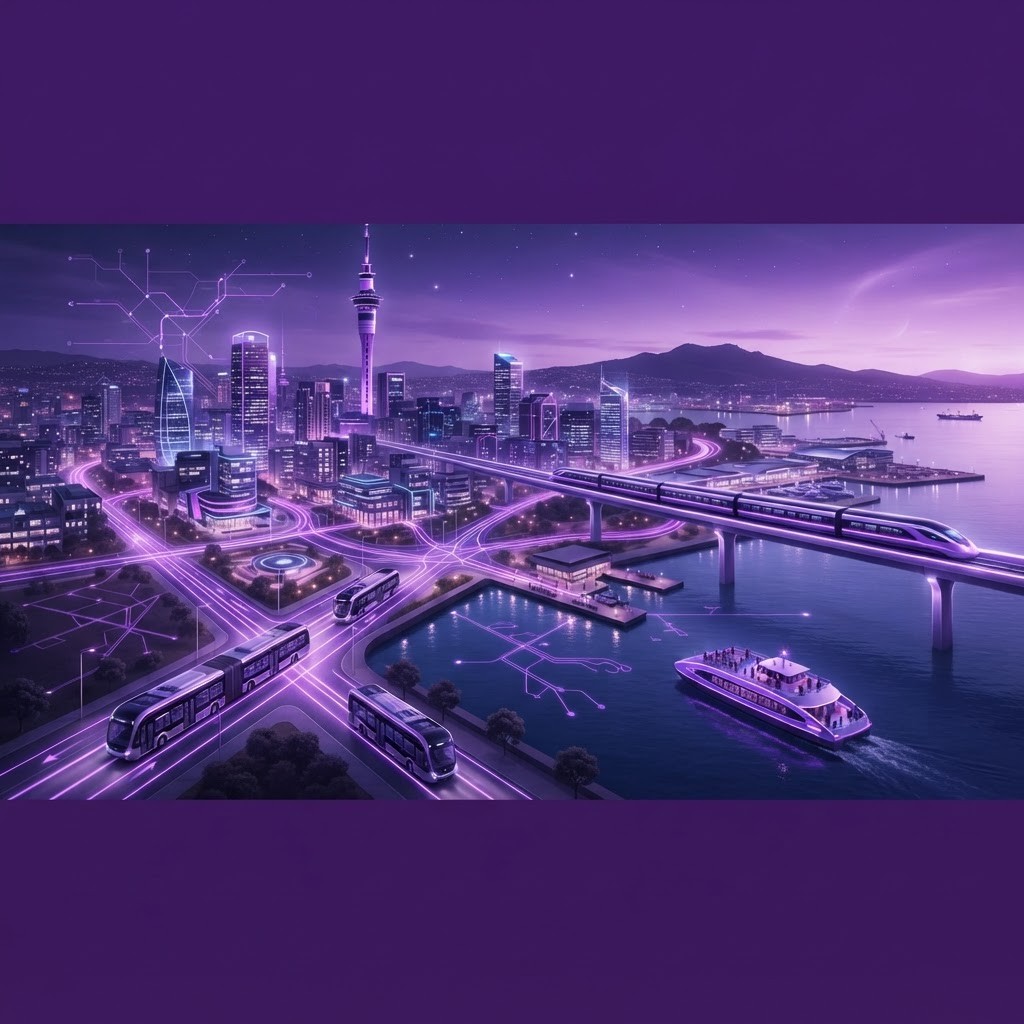
Public Transit in New Zealand
Public transport plays a vital role in New Zealand's cities and regions, offering an affordable, sustainable alternative to private cars. As urban populations grow and climate concerns rise, well-run transit networks help reduce congestion, lower emissions, and keep communities connected. From bustling Auckland to compact Wellington and the rebuilt streets of Christchurch, public transit shapes how New Zealanders move through daily life.
The country's transit landscape features buses, trains, ferries, and integrated ticketing systems, each managed by regional authorities and operators. Together they form networks that serve commuters, students, tourists, and residents across urban and provincial areas.
Leading Public Transit Services in New Zealand
The following networks and operators stand out for their coverage, reliability, and contribution to greener travel.
1. Auckland Transport (AT)
Auckland Transport oversees the country's largest and busiest public transport network, including buses, trains, and ferries. Its integrated AT HOP card, expanding rail services, and frequent bus routes make it central to daily life in New Zealand's biggest city, with ongoing investment in electrification and network improvements.
2. Metlink (Wellington)
Metlink coordinates public transport across the Wellington region, combining trains, buses, and harbour ferries. It is widely praised for its reliable commuter rail network and the iconic electric trolley heritage of the capital, offering seamless travel through the city and surrounding areas.
3. Metro (Christchurch)
Metro serves Christchurch and the wider Canterbury region with an extensive bus network. Following the city's rebuild, Metro has focused on modern, accessible services and a central bus interchange that has become a model of efficient urban transit design.
4. Environment Canterbury Regional Services
Beyond the city, Canterbury's regional transport connects smaller towns and communities to Christchurch. These services provide essential links for residents in provincial areas, supporting access to work, education, and healthcare.
5. Otago Regional Council Transport (Dunedin and Queenstown)
The Otago region operates well-regarded bus networks in Dunedin and the Queenstown area. The Queenstown service in particular has embraced low fares and frequent routes, encouraging both residents and visitors to leave their cars behind.
6. Waikato Regional Transport (BUSIT)
Serving Hamilton and the wider Waikato, the BUSIT network connects a growing region with regular bus services. It plays an important role in linking suburban communities with the city centre and educational institutions.
7. Bay of Plenty Regional Transport (Baybus)
Baybus provides bus services across Tauranga, Rotorua, and surrounding areas in the Bay of Plenty. As one of the country's fastest-growing regions, its transit network is central to managing rising demand and reducing road congestion.
8. Interislander Ferry
The Interislander ferry is an iconic part of New Zealand's transport network, connecting the North and South Islands across Cook Strait. Carrying passengers, vehicles, and freight between Wellington and Picton, it is both a vital link and a scenic journey.
9. Bluebridge Cook Strait Ferry
Bluebridge offers an alternative Cook Strait crossing between Wellington and Picton. Valued for its reliable service and comfortable sailings, it provides essential inter-island connectivity for travellers and freight alike.
10. Fullers360 (Auckland Ferries)
Fullers360 operates Auckland's popular harbour ferry services, connecting the city centre with the North Shore, Waiheke Island, and other destinations. Its ferries offer scenic, efficient commuting and are a beloved part of Auckland life.
The Future of Public Transit
New Zealand's transit networks are evolving rapidly, with major investment in electric buses, rail electrification, and integrated ticketing. The nationwide move toward a unified fare system promises to make travel across regions simpler than ever. These improvements aim to make public transport more attractive, helping the country meet its climate goals while easing urban congestion.
Conclusion
Public transit is the connective tissue of New Zealand's communities, offering sustainable and accessible travel for millions. The services featured here each play a crucial role, from major metropolitan networks to essential inter-island ferries. As investment continues to grow, public transport is set to become an even more central part of how New Zealanders move around their beautiful country.