
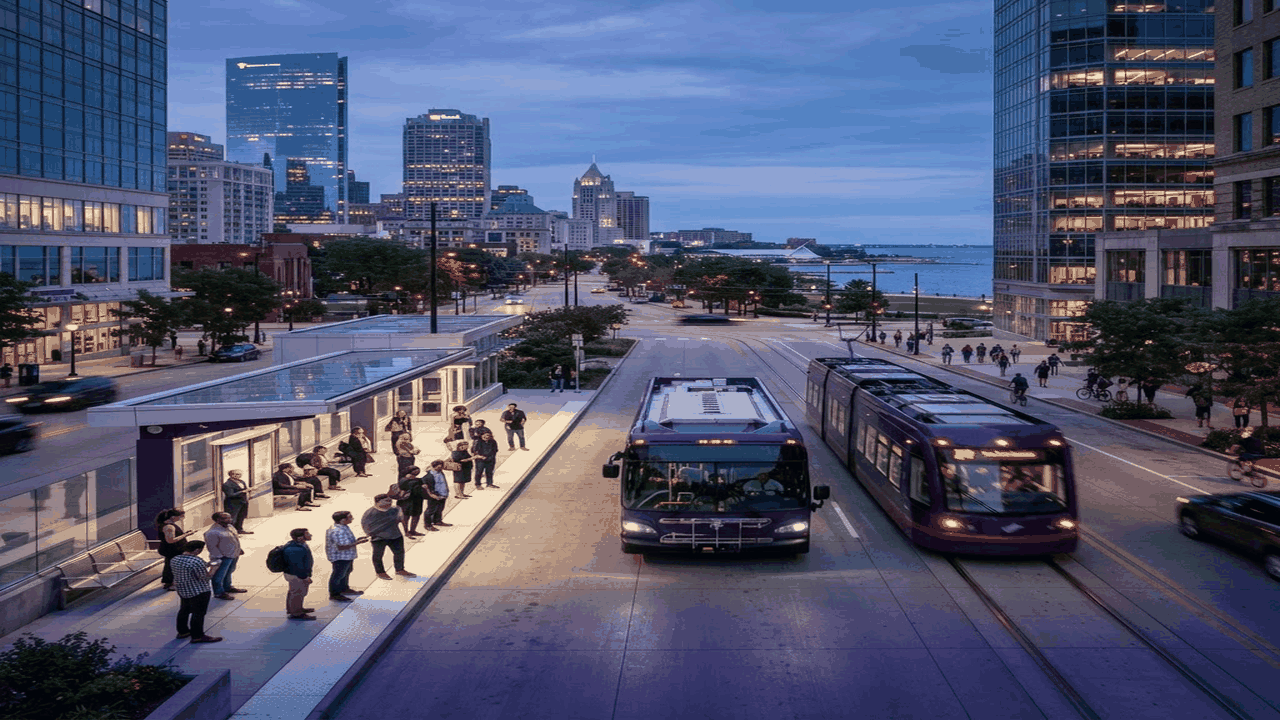
Connecting Milwaukee Through Public Transit
Public transit is a vital part of daily life in Milwaukee, offering residents and visitors an affordable and convenient way to move around the city. From extensive bus routes to the modern streetcar and specialized paratransit services, Milwaukee's public transportation network serves commuters, students, and travelers alike. Reliable transit reduces traffic congestion, supports economic activity, and provides essential mobility for those without personal vehicles.
The best public transit services combine broad coverage, dependable schedules, and accessibility, ensuring that transportation is available to everyone across the community.
Diverse Transit Options
Milwaukee's public transit landscape includes several complementary services. Extensive bus networks connect neighborhoods, downtown, and key destinations throughout the county, forming the backbone of the system. The downtown streetcar offers a modern, convenient option for short trips in the urban core, linking popular districts and attractions.
Paratransit and accessible services ensure that residents with disabilities can travel safely and independently. Together, these options create a flexible network that meets a wide range of transportation needs.
Accessibility and Affordability
Affordability is one of the greatest strengths of public transit. For many residents, buses and streetcars provide a cost-effective alternative to driving, saving money on fuel, parking, and vehicle maintenance. Reduced fares for seniors, students, and qualifying riders further expand access to affordable mobility.
Accessibility is equally important. Modern transit vehicles feature ramps, priority seating, and other accommodations that make travel easier for riders of all abilities. Ongoing improvements continue to enhance the comfort and convenience of the system.
Technology and Rider Experience
Technology has transformed the public transit experience in Milwaukee. Real-time arrival information, mobile ticketing, and route planning tools help riders navigate the system with ease. These conveniences reduce wait times and make transit more attractive to commuters and occasional riders alike.
Continued investment in cleaner vehicles and improved infrastructure reflects a broader commitment to sustainability and service quality, positioning Milwaukee's transit for future growth.
The Future of Milwaukee Transit
Public transit continues to evolve as Milwaukee grows and mobility needs change. Efforts to expand routes, improve frequency, and integrate services aim to make transit an even more appealing option for residents and visitors. A strong transit system supports economic development, environmental goals, and equitable access to opportunity.
Milwaukee's leading public transit services play an essential role in keeping the city connected. By prioritizing accessibility, affordability, and reliability, they provide the dependable mobility that a thriving community depends on.
How to Compare Milwaukee Providers
A thoughtful comparison should begin with the details that matter most for a specific trip, shipment, move, or daily routine. Start by defining the required service area, preferred schedule, budget, capacity, and any special handling or accessibility needs. Then ask each provider to explain exactly what is included in its price. A low initial estimate may not represent the best value if it excludes equipment, waiting time, fuel adjustments, insurance, or other common charges. Clear, itemized information makes meaningful comparisons easier and reduces the chance of surprises later.
Local experience deserves careful attention as well. Milwaukee presents distinct operating conditions, including winter weather, summer construction, downtown events, lakefront traffic, and busy interstate corridors. Providers familiar with these patterns can plan more realistic schedules and respond more effectively when conditions change. Experience serving the city's neighborhoods and nearby communities can be especially useful when timing, route access, or coordinated pickups are important.
Questions to Ask Before Booking
Before making a final decision, ask how the provider handles delays, cancellations, equipment problems, and unexpected changes. Find out whether customer support is available while the service is underway and how status updates are communicated. For commercial arrangements, request a written description of performance expectations, billing terms, and procedures for reporting a problem. Consumers should keep confirmations and review policies before paying a deposit or committing to a long-term plan.
It is also sensible to ask about staff qualifications, safety procedures, maintenance routines, and relevant coverage. Strong providers answer these questions directly and explain their processes in plain language. Reviews can reveal useful patterns, but individual comments should be considered alongside recent performance, responsiveness, and the provider's ability to meet the precise requirement at hand. Consistent feedback about punctuality, care, and communication is generally more informative than a single unusually positive or negative experience.
Getting Better Value from the Service
Advance planning often produces better availability and more choices, especially during Milwaukee's festival season, major conventions, university move-in periods, and peak summer weekends. Flexible timing may also create savings. Businesses can improve value by consolidating recurring needs, sharing accurate forecasts, and building a dependable relationship with a provider that understands their operation. Individual customers benefit from supplying complete details early, confirming arrangements shortly before service, and identifying one person to manage communication.
Price remains important, but value includes reliability, safety, convenience, and the time saved by avoiding preventable problems. The strongest choice is usually the provider whose capabilities closely match the job and whose team communicates clearly from the first inquiry through completion. By comparing options carefully and setting expectations in writing, Milwaukee customers can choose with confidence and receive service that is efficient, accountable, and suited to their needs.