
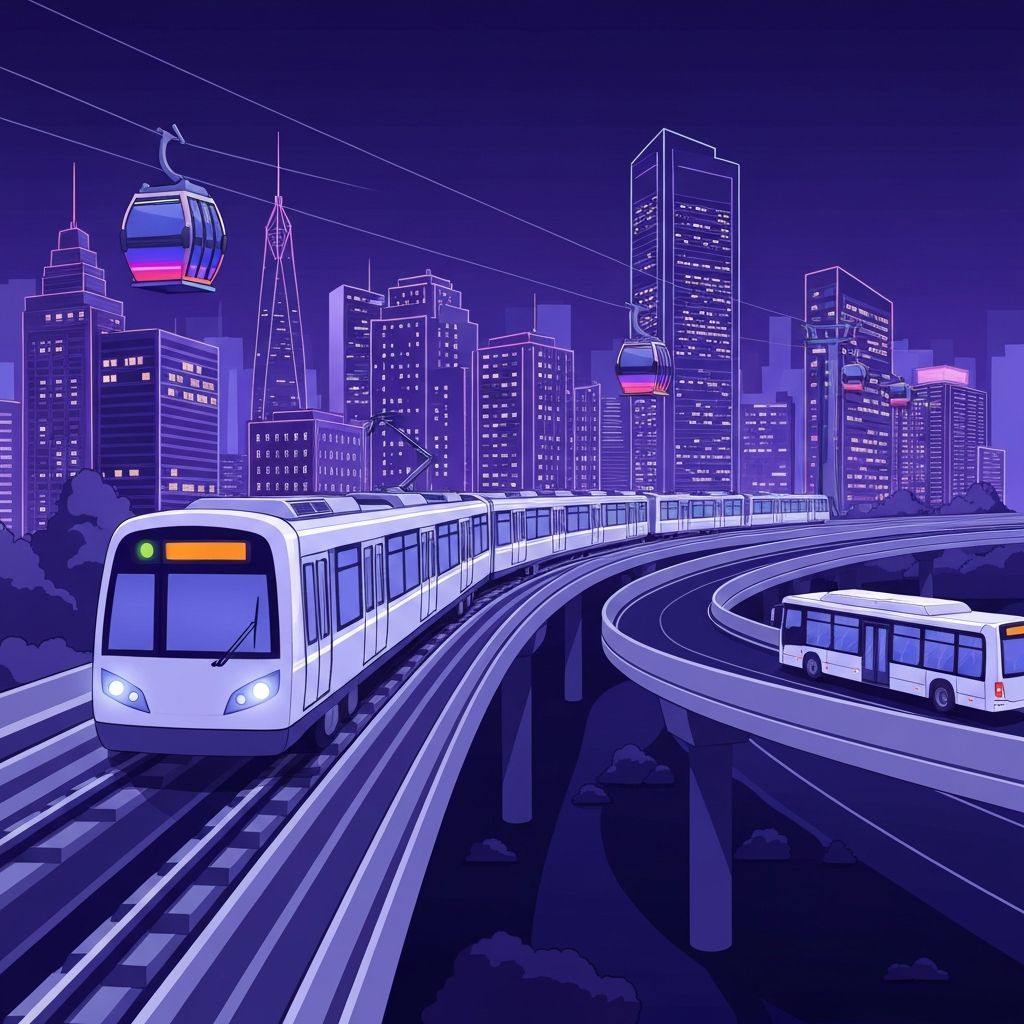
Public Transit in Mexico
Mexico is home to some of the largest and most innovative public transit systems in Latin America. With dense, fast-growing cities and millions of daily commuters, transit is essential to economic productivity, environmental sustainability, and social inclusion. From rapid metros and BRT corridors to suburban trains and intercity coach networks, the country offers a diverse mobility ecosystem.
Investments in modern fleets, electrification, and digital ticketing are continuing to reshape how Mexicans get around. The following operators stand out for their scale, reliability, and impact.
Top Public Transit Providers
1. Metro de la Ciudad de México (STC Metro)
The Mexico City Metro is one of the largest subway networks in the world, carrying millions of passengers daily across 12 lines. With distinctive iconography for each station and low fares, it remains a cornerstone of urban mobility.
2. Metrobús Ciudad de México
Metrobús operates one of the most successful BRT systems in the Americas, with multiple lines covering critical corridors of Mexico City. Articulated buses, dedicated lanes, and prepaid boarding deliver fast, reliable service.
3. Mexibús
Operating in the State of Mexico, Mexibús connects suburban municipalities with key urban hubs through dedicated BRT corridors. It plays a vital role in reducing commute times for residents of Greater Mexico City.
4. Tren Suburbano
This commuter rail line links Cuautitlán with Buenavista station in central Mexico City, providing fast, scheduled service with high punctuality. It is essential for thousands of daily commuters from the northern metropolitan area.
5. Tren Ligero (Guadalajara)
Guadalajara's light rail system, including the modern Mi Tren Line 3, has transformed mobility in Jalisco's capital. The network combines underground and elevated sections, integrated with BRT and bus services.
6. Metrorrey (Monterrey Metro)
Metrorrey is the metro system of Monterrey, with multiple lines spanning the city and connecting key residential, commercial, and industrial zones. It is known for clean, efficient operations and modern rolling stock.
7. Cablebús (Mexico City)
Cablebús is an aerial cable car system that connects hillside neighborhoods to the metro network. It has dramatically improved access for communities that previously faced long, difficult journeys to work or school.
8. Trolebús (CDMX)
Operated by Servicio de Transportes Eléctricos, Mexico City's trolleybus network offers electric, low-emission service across major corridors. Its modern Elevado Trolebús line has been particularly praised for relieving congestion.
9. ADO (Autobuses de Oriente)
ADO is one of the largest intercity bus operators in Mexico, offering premium, executive, and economy services across the country. Its modern fleet, comfortable seating, and reliable schedules make it a favorite for long-distance travel.
10. Primera Plus
Operating across central and western Mexico, Primera Plus provides high-quality intercity coach services connecting Guadalajara, Mexico City, León, and many other cities. Its reputation for safety and comfort is well established.
Trends Shaping Mexican Transit
Public transit in Mexico is undergoing major transformations. Electrification is a key trend, with cities adding electric buses, trolleys, and metro upgrades. Mexico City and Guadalajara have been particularly active in deploying zero-emission fleets.
Digital ticketing and integrated mobility apps are improving the user experience. Contactless cards, QR-code tickets, and unified payment platforms allow passengers to switch between modes seamlessly. Real-time arrival information has become standard on most BRT and metro systems.
Equity is another priority. Aerial cable cars, low-floor buses, and accessibility upgrades aim to make transit more inclusive for low-income communities and people with disabilities. Bicycle and scooter integration is also growing in major cities.
Choosing the Right Mode
For commuters, the best transit option often depends on origin, destination, and time of day. Metros excel for cross-city journeys, BRT for major corridors, and feeder buses for last-mile coverage. Intercity travelers should evaluate ADO, Primera Plus, and similar operators based on route, comfort class, and timing.
The Future
Mexican public transit will continue to evolve as cities invest in cleaner, smarter, and more inclusive systems. The operators above are leading this transformation, offering essential services that connect millions of Mexicans to jobs, education, healthcare, and opportunity every day.