
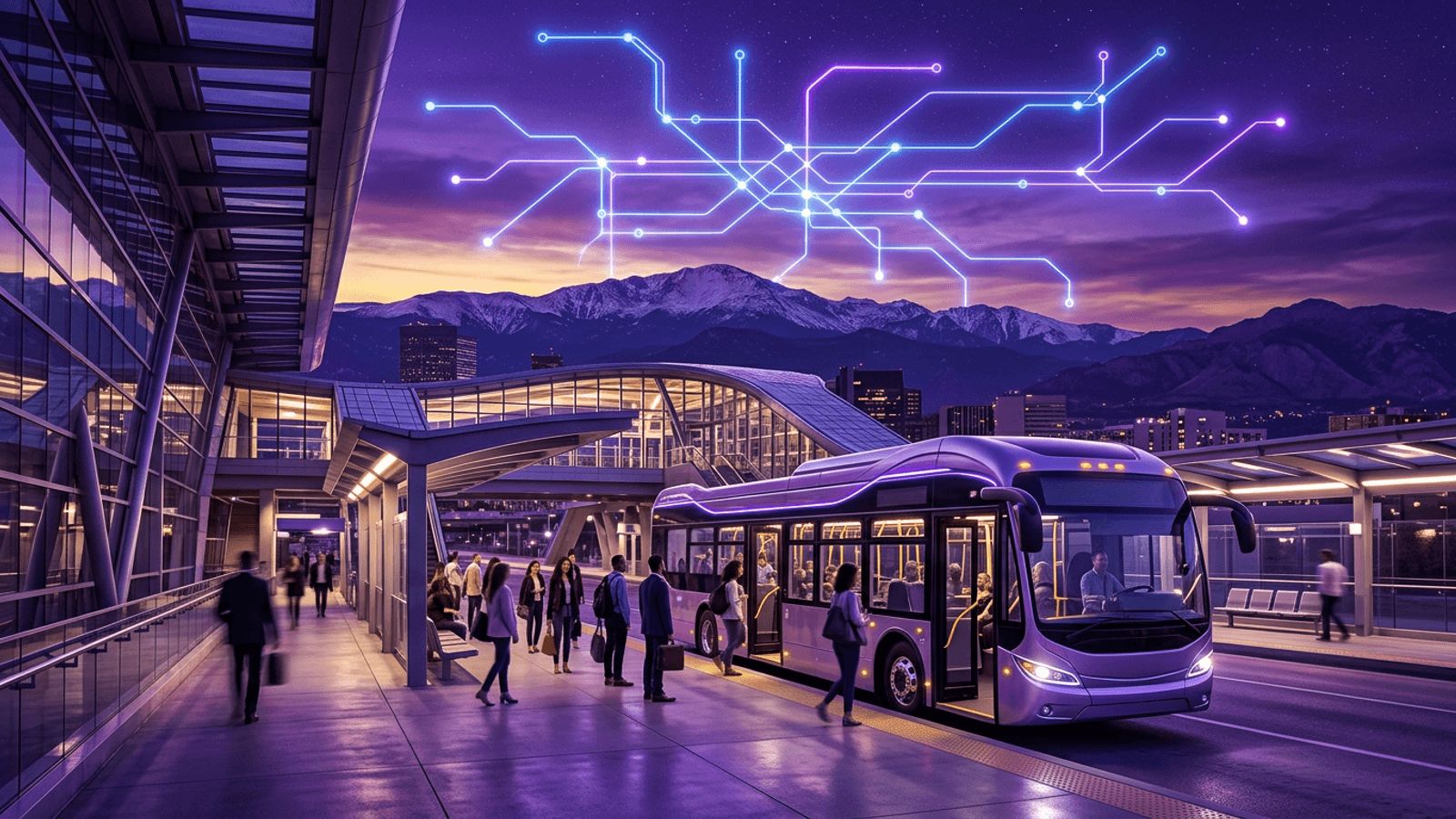
Public Transit in Longmont
Longmont has made notable investments in public transportation, reflecting its commitment to sustainability, equity, and accessibility. The city's support for fare-free local bus service has made transit more affordable for residents, and regional routes connect Longmont with major employment centers in Boulder and Denver. For residents without cars, students, seniors, and environmentally conscious commuters, public transit offers a practical way to get around.
Transit also plays an important role in the city's long-term planning. Efforts such as the State Highway 119 bus rapid transit project and the long-awaited Northwest Rail Line aim to improve connections between Longmont and the rest of the Front Range. Understanding today's options helps riders make the most of the system.
Tips for Using Transit in Longmont
Plan trips using RTD's trip planner or third-party transit apps that provide real-time arrival information. Consider pass programs offered through employers, schools, and neighborhoods, which can significantly reduce costs. Most buses include bike racks, making it easy to combine cycling with transit. For riders with disabilities, paratransit and accessible services provide additional support.
The Top 10 Public Transit Services in Longmont
1. RTD Local Bus Service
The Regional Transportation District operates local bus routes within Longmont, connecting neighborhoods with downtown, shopping centers, schools, and healthcare facilities. These routes form the backbone of local transit and serve thousands of riders.
2. Ride Free Longmont
Ride Free Longmont is the city's fare-free program on local bus service within Longmont. By removing fares, the program makes transit more accessible for residents, reduces barriers for low-income riders, and encourages more people to choose buses for local trips.
3. RTD BOLT Route
The BOLT is a popular regional route connecting Longmont and Boulder along the Highway 119 corridor. It serves commuters traveling to the University of Colorado, Boulder employers, and downtown Boulder, offering frequent service throughout the day.
4. RTD LD Routes
RTD's LD routes connect Longmont with downtown Denver, providing commuter service along the U.S. 36 and Interstate 25 corridors. These routes offer an alternative to driving and parking in Denver for daily commuters.
5. RTD Flatiron Flyer
The Flatiron Flyer is RTD's bus rapid transit service along U.S. 36 between Boulder and Denver. Longmont riders can connect to the Flatiron Flyer in Boulder for fast, frequent service to Denver Union Station and stops in between.
6. RTD FlexRide
FlexRide is RTD's on-demand microtransit service in select areas, offering curb-to-curb rides within designated zones. It helps riders reach destinations not easily served by fixed routes and connects to regional bus service.
7. RTD Access-a-Ride
Access-a-Ride is RTD's paratransit service for people with disabilities who cannot use fixed-route buses. It provides shared-ride transportation in accessible vehicles, supporting independence for eligible riders.
8. Via Mobility Services
Via Mobility Services is a nonprofit providing transportation for older adults and people with disabilities throughout Boulder County. Its services complement RTD's offerings and help riders reach medical appointments, grocery stores, and community activities.
9. RTD Airport Service
Longmont riders can reach Denver International Airport by connecting to RTD regional service and the A Line commuter train from Union Station, or by taking SkyRide-style airport bus service from Boulder. These connections provide an affordable alternative to driving and parking at the airport.
10. Bustang
Bustang, operated by the Colorado Department of Transportation, provides intercity bus service connecting Front Range cities and mountain communities. It is an excellent option for Longmont residents traveling to Fort Collins, Colorado Springs, or mountain towns.
Trends in Longmont Transit
Longmont and its regional partners continue to invest in transit improvements. The Highway 119 bus rapid transit project aims to provide faster, more reliable service between Longmont and Boulder with dedicated lanes and enhanced stations. Electric buses are gradually entering service as agencies pursue emissions reductions. Discussions continue about bringing passenger rail to Longmont, while microtransit programs help fill gaps in fixed-route coverage.
Frequently Asked Questions
How do I get from Longmont to Denver International Airport by transit?
Riders typically take an RTD regional route to Denver Union Station or to Boulder and then connect to the A Line commuter train or airport bus service. Allow ample time for connections, especially during early-morning travel.
Is transit accessible for riders with disabilities?
RTD buses are wheelchair accessible, and Access-a-Ride paratransit serves eligible riders who cannot use fixed-route service. Via Mobility Services provides additional accessible transportation for older adults and people with disabilities in Boulder County.
Are there discounted passes for regular riders?
RTD offers reduced fares for seniors, youth, and qualifying low-income riders, along with pass programs for employers, schools, and neighborhoods. Many Longmont employers participate in pass programs that make commuting by transit more affordable.
What is the Highway 119 bus rapid transit project?
The project aims to improve bus service between Longmont and Boulder with features such as dedicated lanes, queue jumps, and upgraded stations. The goal is faster, more reliable trips along one of the region's busiest commuting corridors.
Final Thoughts
Longmont offers a well-rounded public transit system supported by local investment and regional connections. Fare-free local buses make getting around town affordable, while regional routes and intercity buses connect riders with Boulder, Denver, and beyond. Whether you commute daily or ride occasionally, Longmont's transit options make car-free travel increasingly practical.