
A Genuinely Car-Optional City
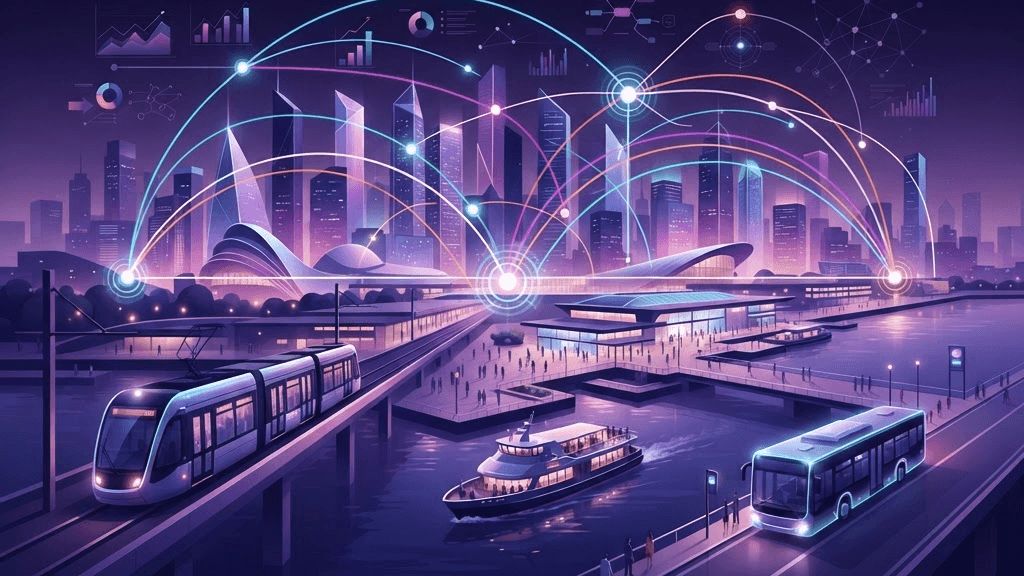
Jersey City is one of the few American cities where owning a car is a lifestyle choice rather than a necessity. Trains run beneath the Hudson every few minutes, light rail threads along the waterfront, buses cover the interior neighborhoods, and ferries provide a scenic alternative across the harbor. A resident in Downtown can reach three Manhattan business districts without ever entering a vehicle they own.
The trade-off is complexity. The network is operated by multiple agencies and private companies with different fare systems, schedules, and service patterns. Understanding which service to use, and when, is the difference between a twenty-minute commute and a frustrating hour.
Top 10 Public Transit Services in Jersey City
1. PATH
PATH is the backbone of the city's Manhattan commute, running rapid transit through Hudson River tunnels with stations at Journal Square, Grove Street, Exchange Place, and Newport. Service operates around the clock, and frequencies during peak periods make it the fastest option to Lower Manhattan and Midtown South.
2. Hudson-Bergen Light Rail
The light rail is the workhorse of intra-county travel, linking Bayonne, Jersey City, Hoboken, and Weehawken. Frequent service, level boarding, and stations placed within dense residential districts make it ideal for trips that stay on the New Jersey side of the river.
3. NJ Transit Bus
NJ Transit's bus network covers the neighborhoods rail cannot reach, including large portions of The Heights, Greenville, and West Side. Several routes offer direct service to the Port Authority Bus Terminal, providing a one-seat ride into Midtown Manhattan.
4. NJ Transit Rail
For destinations beyond Hudson County, NJ Transit rail connects through Newark and Secaucus to lines reaching across the state and the wider region. It is the practical choice for suburban commutes and airport-adjacent travel.
5. NY Waterway Ferry
The ferry from Paulus Hook and Newport to Midtown and Lower Manhattan offers a fast, reliable crossing with the added benefit of harbor views. It becomes especially valuable when rail service is disrupted, since it operates entirely independently of tunnels.
6. Citi Bike Jersey City
The bike share system functions as genuine transit rather than recreation, solving the first and last mile problem around rail stations. Docking stations are distributed across most neighborhoods, and electric bikes have made the hilly climb to The Heights far more manageable.
7. Via Jersey City On-Demand Shuttle
The city's on-demand microtransit service uses shared vans to connect neighborhoods with limited fixed-route coverage to major transit hubs. Riders book through an app and share rides along dynamically generated routes, filling gaps in the network affordably.
8. Jitney Bus Services
Privately operated jitney buses run frequent service along key corridors, particularly toward Journal Square and Union City. Low fares, high frequency, and flexible stops make them popular with commuters who value speed over formality.
9. Newark Airport Express Connections
Through a combination of NJ Transit rail and the airport shuttle system, Jersey City residents reach Newark Liberty International Airport without a car. For travelers, this connection is often faster and cheaper than a rideshare during peak traffic.
10. NJ Transit Access Link
Access Link provides paratransit service for riders whose disabilities prevent them from using fixed-route buses. Advance scheduling, door-to-door pickup, and coordination with the broader network make the city's transit system meaningfully inclusive.
Trends in Local Transit
Fare payment is modernizing steadily, with contactless tap-to-pay expanding across services and reducing the friction of transferring between operators. Real-time arrival data has also improved, allowing riders to make informed decisions between light rail, bus, and ferry based on current conditions rather than published schedules.
Street design is changing as well. Protected bike lanes, bus priority treatments, and redesigned intersections have improved both safety and travel times along key corridors. Jersey City's continued residential growth guarantees that transit capacity will remain a central policy concern for years.
Understanding Fares and Passes
Because multiple operators serve the city, fare strategy affects monthly cost significantly. Regular commuters generally save with monthly passes on their primary service, while occasional riders do better paying per trip. Riders combining two services daily should compare the cost of two separate passes against a combination product where one exists.
Employer commuter benefit programs deserve attention too. Pre-tax transit deductions reduce the effective cost of a monthly pass meaningfully, and many employers in the financial district offer them. Riders who also use bike share or ferry service should check which options qualify, since eligibility varies by program and service type.
Accessibility and Service Reliability
Accessibility varies considerably across the network. The light rail offers level boarding at all stations, while some older rapid transit stations have limited elevator access. Riders who depend on elevators should identify accessible stations along their route in advance and know alternatives when equipment is out of service.
Reliability planning is equally practical. Weekend and overnight schedules differ substantially from weekday service, and planned maintenance frequently alters routing. Checking service advisories before travel, particularly on weekends, prevents the common experience of arriving at a station to find a bus substitution in place.
Building an Efficient Commute
Choose based on destination geography. For Lower Manhattan and the Financial District, PATH from Exchange Place or Grove Street is usually unbeatable. For Midtown, compare a direct bus, the ferry, or PATH with a transfer. For trips within Hudson County, the light rail almost always wins.
Build redundancy into your plan. Because so many services cross the same river, disruptions cascade quickly, and knowing your second-best route matters. Pair a rail option with a ferry or bus alternative, keep a bike share membership as a backstop, and check real-time data before leaving. Used deliberately, the public transit services in Jersey City deliver mobility that rivals any city in the country.