
The Role of Public Transport in Modern Ireland
Public transport is the backbone of everyday mobility in Ireland, linking bustling city centres with suburban communities and remote rural regions. As the country works towards ambitious climate targets and tackles urban congestion, investment in reliable, affordable transit has never been more important. From electrified rail lines to expanding bus corridors, Ireland's transport landscape is undergoing significant transformation.
For commuters, students, tourists, and residents alike, a well-connected transit network reduces reliance on private cars, lowers emissions, and improves quality of life. Understanding the country's leading transit services helps travellers make smarter, greener choices.
Rail, Tram, and Bus: A Connected Ecosystem
Ireland's public transport system combines several modes that work together to move millions of passengers each year. Intercity rail links major urban centres, light rail serves the capital, and extensive bus networks fill the gaps across towns and countryside. Integrated ticketing has made switching between these services increasingly seamless.
Leading Public Transit Services in Ireland
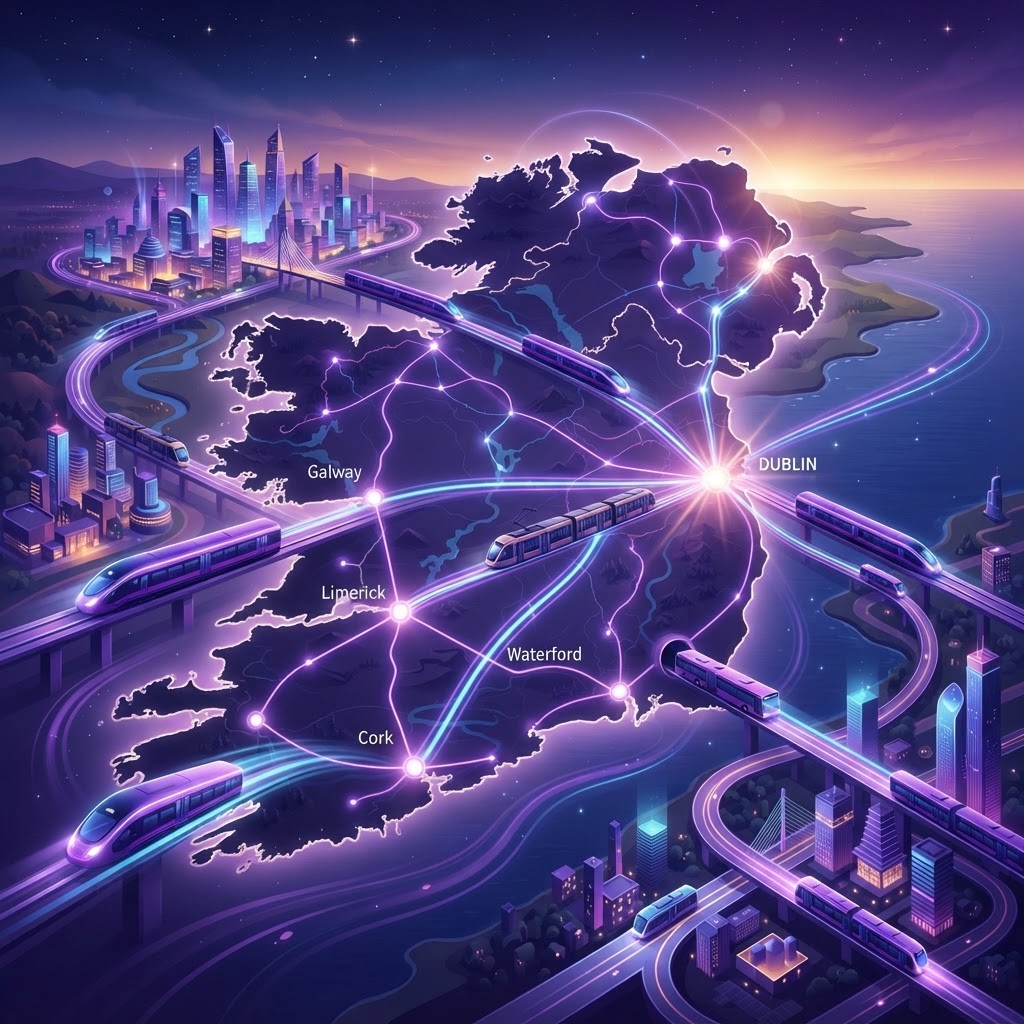
Iarnrod Eireann (Irish Rail) operates the national rail network, connecting Dublin with Cork, Galway, Limerick, and beyond. Its intercity and commuter services form the spine of long-distance public travel.
Luas is Dublin's modern tram system, offering frequent, reliable service across the capital. Its green and red lines have become an essential part of city commuting.
Dublin Bus provides comprehensive coverage throughout the greater Dublin area, with an expanding fleet that increasingly features cleaner, lower-emission vehicles.
Bus Eireann connects towns and cities nationwide, serving as a lifeline for rural communities and offering vital intercity coaching routes.
Go-Ahead Ireland operates numerous routes in Dublin and surrounding areas, adding capacity and choice to the capital's bus network.
TFI Local Link focuses on rural transport, ensuring that smaller communities remain connected to essential services and larger towns.
DART, the Dublin Area Rapid Transit, offers electrified coastal rail service that is popular with commuters and visitors exploring the bay.
Aircoach specialises in airport and intercity express routes, valued for comfort and direct connections.
Citylink provides efficient coach travel between major cities, particularly along the Dublin to Galway corridor.
Transport for Ireland (TFI) serves as the coordinating body, unifying services under a single brand and driving the integrated Leap Card ticketing system that simplifies travel nationwide.
Innovation and Sustainability
Ireland is investing heavily in greening its transport network. Electric and hybrid buses are being rolled out across urban fleets, while rail electrification projects aim to expand cleaner services. The BusConnects programme is redesigning city bus networks to improve frequency and reliability, and cycling integration is being encouraged at transit hubs.
Digital innovation is also enhancing the passenger experience. Real-time arrival information, contactless payments, and journey-planning apps have made public transport more accessible and user-friendly than ever before.
Making the Most of Public Transport
Travellers can save money and time by using the Leap Card, which offers discounted fares across multiple operators. Planning journeys with official apps helps avoid delays, while off-peak travel can provide a more comfortable experience. For visitors, combined travel passes offer excellent value for exploring the country.
Conclusion
Ireland's public transit services form an increasingly connected and sustainable network that supports millions of journeys every year. With ongoing investment in electrification, expanded routes, and smart ticketing, the future of public transport in Ireland looks bright. Whether commuting daily or exploring the country's scenic regions, passengers benefit from a system committed to efficiency, affordability, and environmental responsibility.