
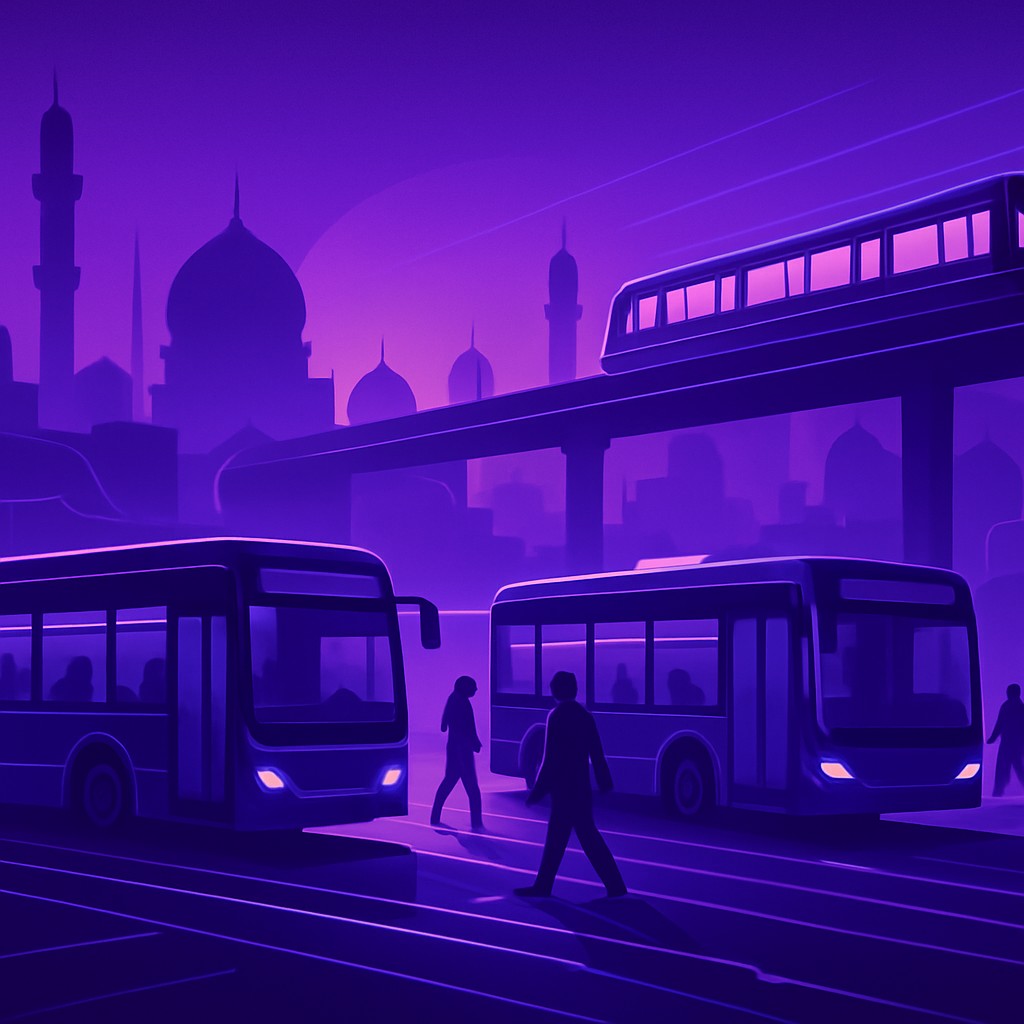
Keeping Iraqi Cities on the Move
Public transit is the lifeblood of urban mobility in Iraq, enabling millions of people to commute to work, school, and daily activities. In cities like Baghdad, Basra, Mosul, and Erbil, a mix of public buses, shared taxis, and emerging transit initiatives forms the backbone of everyday travel. As urban populations grow and traffic congestion increases, efficient public transit has become more important than ever.
The public transit landscape in Iraq is diverse, blending government-operated services with private and informal options. Together, these services provide affordable mobility for a broad cross-section of society, playing a crucial role in economic and social life.
What Makes Public Transit Effective
Effective public transit depends on accessibility, affordability, frequency, and coverage. Commuters need services that run reliably, reach key destinations, and remain affordable. Comfort and safety are increasingly valued, particularly as cities modernize and expectations rise.
Integration and coordination also define quality transit systems. Services that connect different modes of transport and cover both central and peripheral areas provide greater convenience. As Iraqi cities explore modern transit solutions, efficiency and reliability remain the key measures of success.
Key Public Transit Services in Iraq
The Baghdad public bus network, operated through state transport authorities, provides essential coverage across the capital, connecting neighborhoods and key destinations affordably. It remains a primary option for many daily commuters.
Shared taxi services, known locally as a flexible and widespread mode of transport, fill gaps in formal networks by offering frequent, route-based travel throughout cities. These services are integral to urban mobility across Iraq.
The Erbil urban transit system serves the northern region with organized bus services connecting parts of the city. Basra public transport provides bus and shared transit options for the southern hub, supporting its growing population.
Initiatives such as the proposed Baghdad metro and elevated train projects represent ambitious efforts to modernize urban transit and ease congestion. Modern bus rapid transit concepts, intercity public coach services, university and institutional shuttle networks, and improved provincial transit programs round out the evolving landscape of public mobility in Iraq.
Trends Transforming Public Transit
Urbanization and rising congestion are driving demand for improved public transit across Iraqi cities. As populations grow, authorities are increasingly exploring modern solutions such as bus rapid transit and rail-based systems to provide efficient, high-capacity mobility and reduce reliance on private vehicles.
Modernization and planning initiatives are gaining momentum. Proposed metro and elevated train projects in Baghdad, along with efforts to organize and upgrade bus networks, signal a long-term commitment to transforming urban transport. These developments aim to make public transit more reliable, comfortable, and appealing.
Navigating Public Transit in Iraq
For commuters, choosing the right transit option depends on the route, time, and convenience. Public buses offer affordability, while shared taxis provide flexibility and frequency. Understanding the available options in a given city helps travelers move efficiently.
As cities modernize, staying informed about new transit projects and services can help residents take advantage of improved mobility. The gradual introduction of organized systems promises a more comfortable and reliable commuting experience in the years ahead.
Conclusion
Public transit services are essential to the functioning of Iraqi cities, providing affordable and accessible mobility for millions. From established bus networks and shared taxis to ambitious modernization projects, the sector is evolving to meet growing urban demands. As cities invest in modern transit solutions, public transport in Iraq is poised to become more efficient, comfortable, and integral to daily life.