
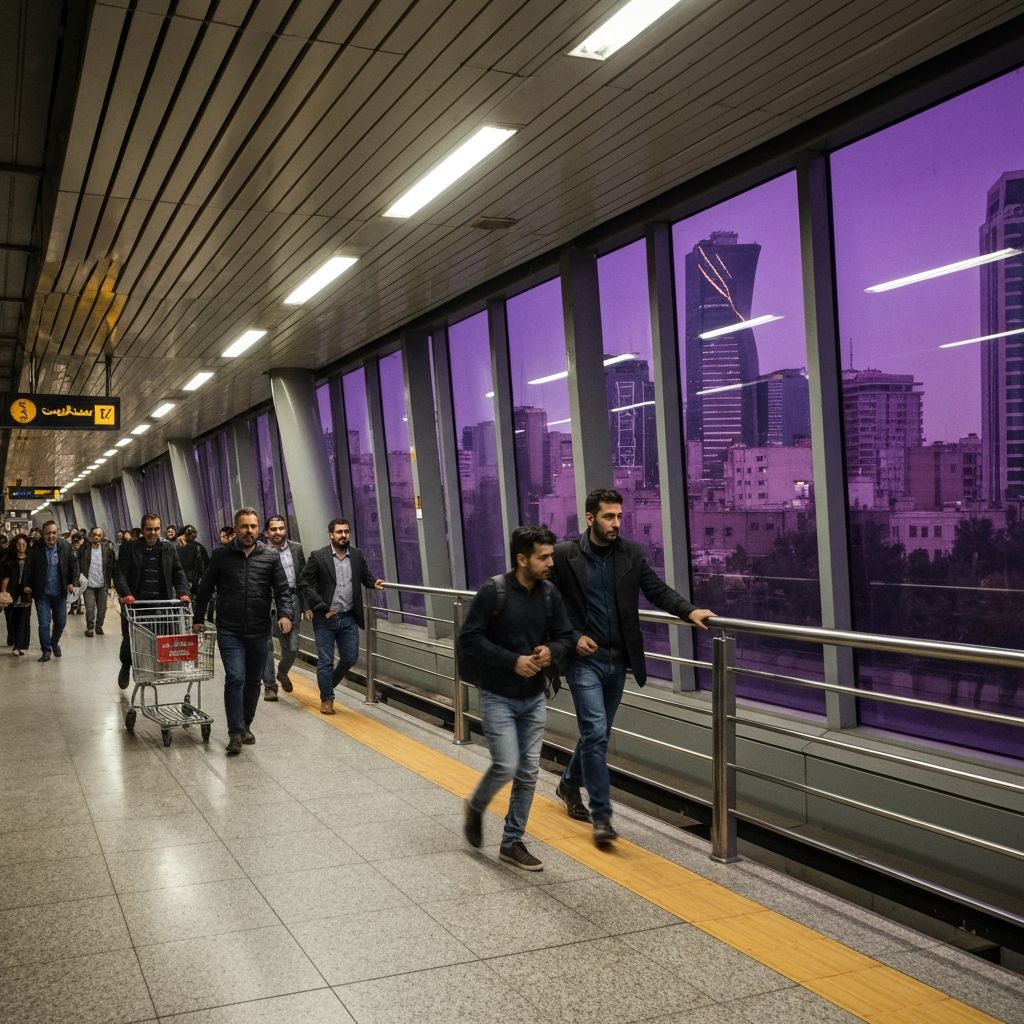
Iran's Urban Mobility at Scale
Iran is home to several megacities, with Tehran alone housing over 9 million residents in its metropolitan area. To keep these cities moving, an extensive ecosystem of public transit services has evolved, combining metros, BRT corridors, traditional buses, taxis, minibuses, and a new generation of digital ride-hailing platforms. Together they form one of the most diverse urban transit landscapes in the Middle East.
The Backbone of Daily Life
Public transit is essential for millions of commuters, students, and shoppers across Iranian cities. Affordable fares, dedicated lanes, and integrated payment systems make public transit a practical alternative to private cars, which often face heavy congestion and air pollution restrictions. Investments in metro extensions and electric buses are reshaping the future of urban mobility.
Top 10 Best Public Transit Services in Iran
1. Tehran Metro (Tehran Urban and Suburban Railway): The largest metro in the Middle East by ridership, with multiple lines crossing the capital and connecting to satellite cities.
2. Tehran BRT: An extensive bus rapid transit network with dedicated lanes and high-frequency services across the capital's major corridors.
3. Mashhad Urban Railway: A modern, expanding metro system serving Iran's second-largest city and major pilgrimage hub.
4. Isfahan Metro and BRT: Combines a growing metro system with a robust BRT network, easing congestion in the historic city.
5. Shiraz Metro and Bus Network: Offers integrated metro and bus services connecting key tourist and residential districts.
6. Tabriz Urban Railway: An expanding metro complemented by city bus operations covering this important northwestern city.
7. Karaj Bus Organization: Provides comprehensive bus and BRT services for the dense suburb of Tehran.
8. Snapp: The leading ride-hailing platform in Iran, offering taxi, bike, and on-demand intercity services through a single app.
9. Tap30: A major ride-hailing competitor known for reliability and broad coverage in metropolitan areas.
10. Iran Taxirani / City Taxi Organizations: Traditional yet essential, these organized taxi networks serve every Iranian city with shared, line, and on-demand services.
Smart Cards and Integrated Payments
Cities like Tehran, Mashhad, Isfahan, and Shiraz offer smart card systems (such as Tehran's Man-Card) that work across metros, BRTs, and city buses. Mobile-based payments and QR codes are increasingly common, simplifying multimodal travel. Ride-hailing apps further integrate digital wallets and cashless transactions.
Comfort, Safety, and Accessibility
Modern transit fleets feature air-conditioned coaches, dedicated women-only sections, accessible boarding for persons with disabilities, and CCTV-monitored stations. Real-time arrival information, route maps, and journey planners are now standard across major networks.
The Rise of Ride-Hailing
Apps like Snapp and Tap30 have transformed urban mobility, offering safe, traceable, and cashless rides. They have also expanded into bike taxis, intercity rides, and delivery services, becoming integral to Iran's transit ecosystem.
Sustainability and the Future
Air quality challenges in major Iranian cities have accelerated investment in clean public transit. Electric buses, hybrid metro fleets, and bike-sharing schemes are gaining traction. As cities expand and urban populations grow, public transit will remain vital, with continued modernization promising faster, cleaner, and more comfortable mobility for all.