
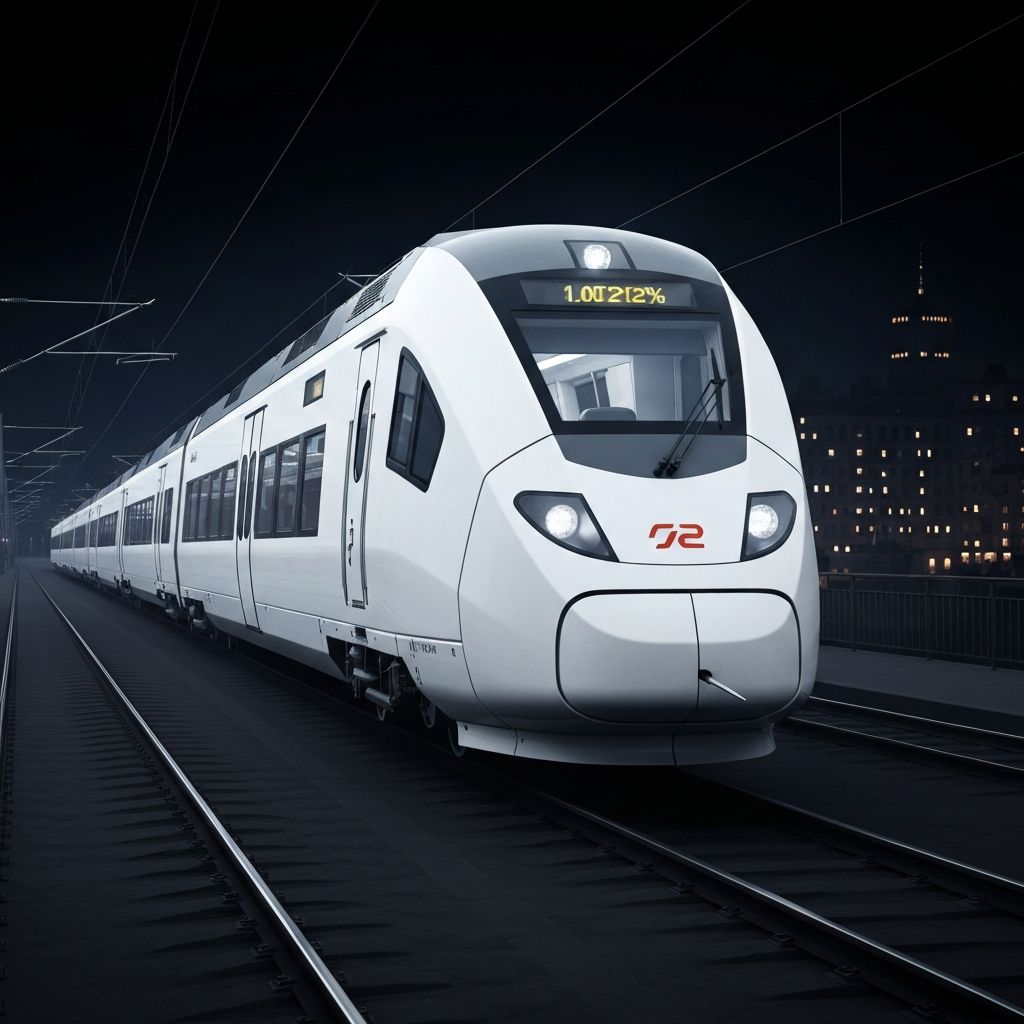
Introduction to Public Transit in Germany
Germany's public transportation network is one of the most efficient and reliable in the world. Combining high-speed trains, regional services, S-Bahn networks, U-Bahn metros, trams, and buses, the country offers seamless mobility for residents, commuters, and tourists. Public transit is a cornerstone of daily life in cities like Berlin, Munich, Hamburg, and Frankfurt, ensuring sustainable and convenient travel.
Why Public Transit Matters in Germany
With a strong focus on environmental sustainability and urban accessibility, Germany has invested significantly in modernizing its public transport. Affordable monthly passes, integrated ticketing systems, and the introduction of the Deutschland-Ticket have made public transit more attractive than ever. The country continues to push toward greener mobility, electrified rail, and smart digital ticketing.
1. Deutsche Bahn (DB)
Deutsche Bahn is the national railway operator and one of Europe's largest rail companies. It provides ICE high-speed trains, IC, and regional services connecting cities and small towns across Germany and beyond. Its modern fleet and extensive network make it the backbone of long-distance travel.
2. BVG (Berliner Verkehrsbetriebe)
BVG runs Berlin's iconic public transport network, including U-Bahn, trams, buses, and ferries. Known for its quirky branding and 24-hour services on weekends, BVG is essential to Berlin's vibrant lifestyle.
3. MVG (Münchner Verkehrsgesellschaft)
MVG operates Munich's U-Bahn, trams, and buses. The system is famous for its punctuality, cleanliness, and integration with the larger MVV regional network, making travel within and around Munich easy.
4. HVV (Hamburger Verkehrsverbund)
HVV is Hamburg's transport association, integrating U-Bahn, S-Bahn, buses, and ferries. With seamless ticketing and strong coverage, HVV stands out as a benchmark for integrated metropolitan mobility.
5. VBB (Verkehrsverbund Berlin-Brandenburg)
VBB integrates transit services across Berlin and Brandenburg, including regional trains, S-Bahn, and buses. Its coordinated tariff system simplifies travel across the wider region.
6. RMV (Rhein-Main-Verkehrsverbund)
RMV serves the Rhine-Main region, including Frankfurt, Wiesbaden, and Mainz. With S-Bahn, U-Bahn, trams, and buses, it delivers comprehensive coverage to one of Germany's busiest economic regions.
7. VRR (Verkehrsverbund Rhein-Ruhr)
VRR is one of Europe's largest transport associations, covering the densely populated Rhine-Ruhr area, including cities like Dortmund, Essen, and Düsseldorf. Its broad multimodal network supports millions of daily commuters.
8. S-Bahn Berlin
S-Bahn Berlin provides rapid suburban rail service connecting central Berlin with surrounding areas. Operated as part of the Deutsche Bahn group, it remains essential for commuters and travelers exploring the wider metropolitan region.
9. Stuttgarter Straßenbahnen (SSB)
SSB operates Stuttgart's U-Bahn (Stadtbahn), buses, and rack railway. Known for innovation and reliability, SSB plays a key role in the city's mobility strategy.
10. KVB (Kölner Verkehrs-Betriebe)
KVB operates Cologne's tram and bus network. With its modern light rail vehicles and strong urban coverage, KVB ensures smooth mobility in one of Germany's most lively cities.
Trends Shaping German Public Transit
Germany is moving toward electric buses, hydrogen-powered trains, and advanced digital ticketing apps. The Deutschland-Ticket has revolutionized affordability, allowing nationwide regional travel for a flat monthly fee. Smart mobility, real-time data, and improved accessibility are central to the future.
Tips for Using Public Transit in Germany
Travelers should familiarize themselves with regional tariff zones, validate tickets when required, and use official apps like DB Navigator for journey planning. Off-peak travel often comes with better availability and a more relaxed experience.
Conclusion
Germany's public transit services are renowned for their reliability, integration, and sustainability. With a wide range of providers offering high-quality networks, residents and visitors can navigate the country smoothly, enjoying efficient, eco-friendly travel.