
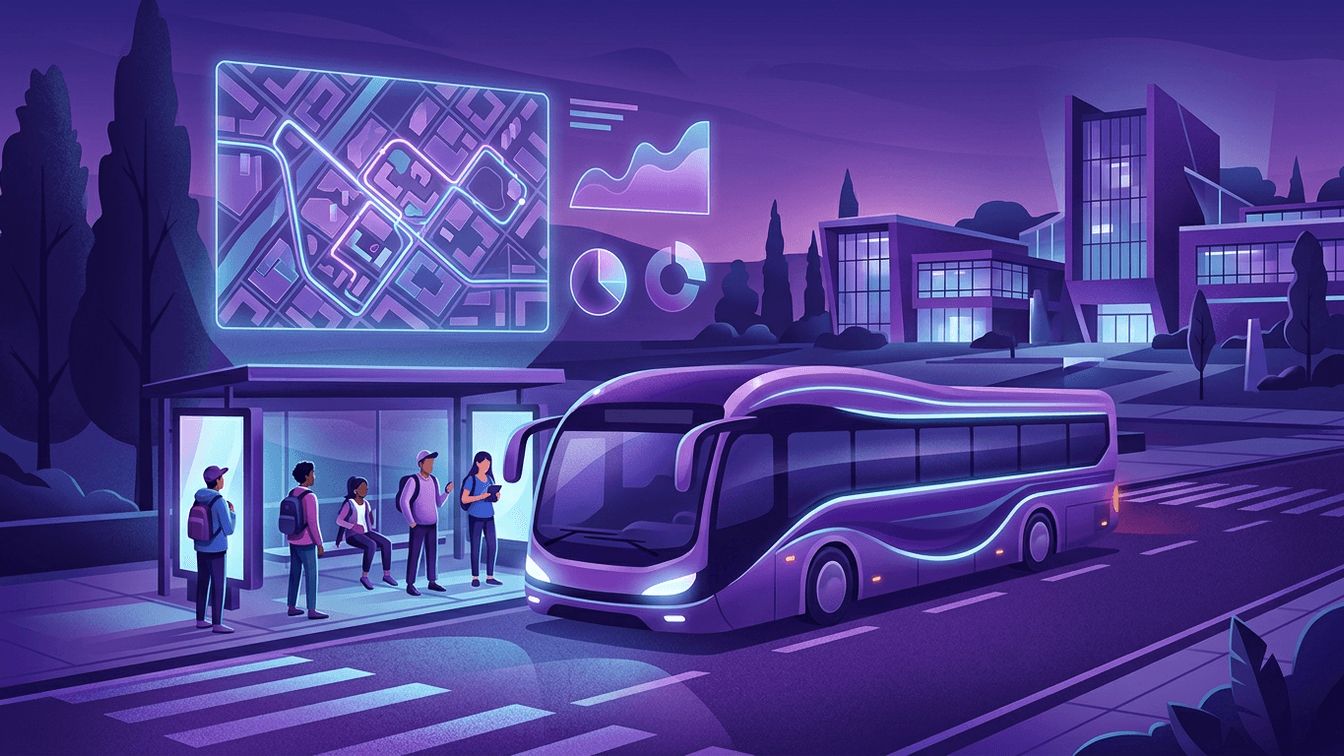
Introduction: Public Transit Services in Gainesville
Public transportation is woven into daily life in Gainesville. Every weekday, thousands of University of Florida and Santa Fe College students ride buses to class, while healthcare workers commute to UF Health Shands and the Malcom Randall VA Medical Center, and residents travel to jobs, shopping centers, and medical appointments across the city. For many households, transit is not just a convenience but an essential lifeline.
Gainesville's transit network has evolved around the needs of a university community, with high-frequency routes serving campus and nearby apartment corridors. Beyond the city bus system, a range of complementary services, apps, and regional connections help riders plan trips, travel safely at night, and reach destinations outside Gainesville.
What Makes a Transit Service Valuable
The best transit services combine frequency, coverage, reliability, affordability, and accessibility. Real-time arrival information has become essential, allowing riders to minimize waiting in Florida's heat and afternoon thunderstorms. Accessible vehicles, paratransit options, and safe, well-lit stops are equally important for riders of all ages and abilities.
Integration also matters. Riders benefit when buses, bike routes, sidewalks, and rideshare options work together to complete the first and last mile of a trip.
The Top 10 Public Transit Services and Tools in Gainesville
1. Regional Transit System
The Regional Transit System, known as RTS, is the backbone of public transportation in Gainesville. Operated by the City of Gainesville, it runs dozens of routes connecting the University of Florida, Santa Fe College, downtown, Butler Plaza, Archer Road, and neighborhoods throughout the city. Partnerships with UF and Santa Fe College allow students to ride fare-free, contributing to the system's impressive ridership.
2. Later Gator Service
Later Gator is an RTS service that operates late-night routes connecting campus with Midtown, downtown, and nearby apartment areas on weekend evenings. It offers students a safe, affordable way to get home at night and helps reduce impaired driving in the community.
3. RTS ADA Paratransit
RTS provides complementary paratransit service for riders with disabilities who are unable to use fixed-route buses. Eligible riders can schedule door-to-door trips, ensuring that residents with mobility challenges can access work, healthcare, and community activities.
4. UF Student Nighttime Auxiliary Patrol
The Student Nighttime Auxiliary Patrol, commonly called SNAP, is a University of Florida safety program that provides free evening rides for students traveling around campus and nearby areas. It complements RTS by offering personal safety escorts during late hours.
5. UF Campus Circulators
RTS campus routes circulate around the University of Florida, linking residence halls, academic buildings, commuter parking lots, and UF Health facilities. These frequent circulators make it easy for students, staff, and visitors to navigate the large campus without driving between buildings.
6. Transit App
The Transit app provides real-time bus arrival predictions, trip planning, and service alerts for many cities, including Gainesville. Its clean interface and live vehicle tracking make it a favorite among riders who want to time their walk to the stop precisely.
7. Google Maps Transit Directions
Google Maps integrates Gainesville transit schedules into its trip planner, allowing riders to compare bus routes with walking, cycling, and driving options. It is especially helpful for visitors unfamiliar with the local network.
8. RedCoach
For regional trips beyond Gainesville, RedCoach offers comfortable intercity bus service to major Florida cities. Its premium seating and convenient schedules make it a popular option for students and residents traveling to Orlando, Tampa, and South Florida.
9. Greyhound
Greyhound connects Gainesville with its extensive national network, allowing riders to reach destinations across the Southeast and beyond. It remains an important option for affordable long-distance travel without a car.
10. FlixBus
FlixBus provides low-cost intercity bus travel with modern amenities such as Wi-Fi and power outlets. Its app-based booking and competitive fares appeal to students heading home for weekends and holidays.
Transit Trends in Gainesville
Gainesville continues to explore ways to make transit faster, cleaner, and more convenient. Investments in electric and low-emission buses, improved bus stop amenities, and real-time information systems reflect the city's commitment to sustainability. Planners also emphasize connecting transit with bike lanes, sidewalks, and trails to support car-free and car-light lifestyles.
Service patterns follow the academic calendar, with reduced schedules during summer and university breaks. Riders should check current schedules during these periods to avoid surprises.
Tips for Riding Transit in Gainesville
Download a real-time transit app to track buses and receive service alerts. Carry water and an umbrella, as Florida weather can change quickly. Expect crowded buses during class change periods near campus, and allow extra travel time on game days when roads around the stadium close. Most buses are equipped with bike racks, making it easy to combine cycling and transit for longer trips.
Final Thoughts
Gainesville's public transit ecosystem is one of its greatest strengths. RTS provides comprehensive local service, Later Gator and SNAP add safe nighttime options, and apps like Transit and Google Maps simplify trip planning. Regional carriers such as RedCoach, Greyhound, and FlixBus extend your reach beyond the city. Together, these services make it possible to live, study, and work in Gainesville with little or no reliance on a personal car.