
Transit in a Suburban Growth City
Frisco presents a classic suburban transit challenge. The city grew rapidly during an era of automobile-oriented development, producing low residential density, wide arterial roads, and destinations spread across a large area. Traditional fixed-route bus service struggles in that environment because ridership per route mile is low and walking distances to stops are long.
The response has been a more flexible mix. On-demand microtransit, regional connections to the wider Dallas-Fort Worth transit network, specialized paratransit and senior services, employer and event shuttles, and rideshare integration together create a workable transportation system, even though it looks nothing like a subway map. Understanding how the pieces connect is what makes car-free or car-light living feasible here.
The Ten Best Public Transit Options Serving Frisco
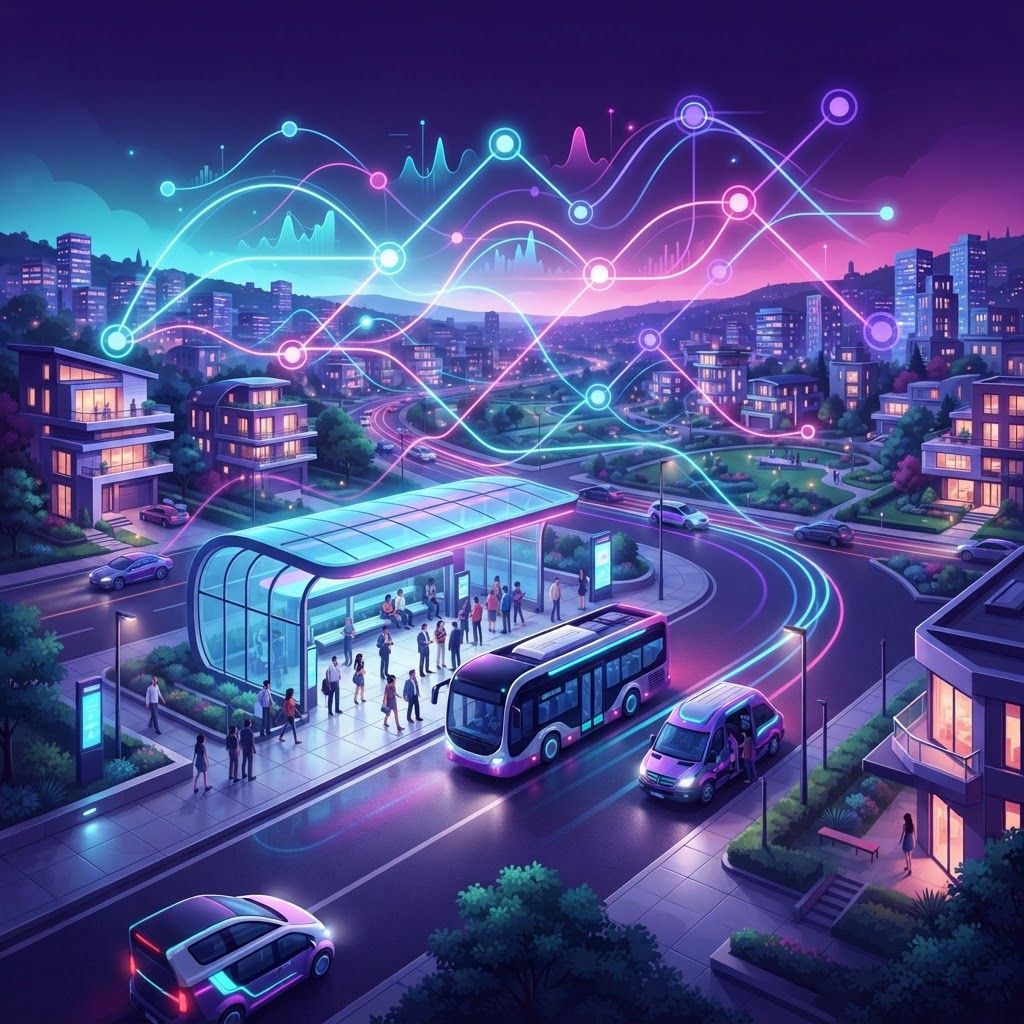
1. On-demand microtransit service within Frisco is the backbone of local public transportation. Riders request a shared ride through an app or by phone, and vehicles route dynamically to serve multiple passengers. Zone-based fares are modest, and the model serves a spread-out city far more efficiently than empty fixed-route buses.
2. Dallas Area Rapid Transit light rail provides the region's rail spine. Although lines do not extend into Frisco, northern stations serve as effective transfer points to downtown Dallas, medical centers, universities, and the airport, particularly for commuters who drive or ride to a station and park.
3. Denton County Transportation Authority services operate rail and bus connections in adjacent areas, offering another regional link for travelers heading toward Denton and connecting corridors.
4. Regional commuter rail connections serve the corridor between Fort Worth and Dallas and interface with the broader transit network, making cross-metroplex travel possible without driving the full distance.
5. Airport connection services combine transit, shared shuttles, and rideshare to reach both major regional airports. Rail access to one airport terminal makes transit-based air travel realistic from parts of the metroplex, while shared shuttles serve door-to-door needs.
6. Paratransit and accessible transportation services provide origin-to-destination trips for riders whose disabilities prevent use of standard services. Advance scheduling, accessible vehicles, and trained operators make these services essential rather than supplemental.
7. Senior transportation programs operated through municipal and nonprofit channels help older residents reach medical appointments, grocery stores, and community centers, addressing one of the most consequential mobility gaps in suburban areas.
8. Employer and campus shuttle programs connect corporate offices, business parks, and educational campuses with transit stations and parking facilities, closing the first-and-last-mile gap that otherwise makes transit commuting impractical.
9. Event and stadium shuttle services operate during major sporting events, concerts, and festivals, moving large crowds efficiently and sparing attendees the congestion and cost of event parking.
10. Rideshare and micromobility integration functions as a genuine part of the transit system in practice. Using an app-based ride to reach a rail station, or a bike or scooter to complete a trip from a transit stop, converts otherwise impossible journeys into reasonable ones.
How On-Demand Transit Actually Works
Microtransit resembles rideshare but operates as public transportation. Riders request trips within a defined service zone during operating hours, and software groups compatible requests into efficient shared routes. Wait times are typically longer than private rideshare but fares are far lower, often comparable to traditional bus fares.
The model works well for medical appointments, shopping trips, connections to regional transit, and travel for residents who cannot or prefer not to drive. It is less suited to rigidly timed commutes where a few minutes of variance matters, though scheduling trips in advance mitigates that concern.
Building a Practical Car-Free Routine
Car-free living in Frisco requires planning rather than luck. Residents who manage it successfully tend to live near commercial corridors within walking distance of groceries and services, use microtransit for medium-distance local trips, connect to regional rail for trips into Dallas, and reserve rideshare for time-sensitive or off-hours travel. Occasional car rental covers the remaining gaps at far less cost than vehicle ownership.
The economics can be compelling. Vehicle ownership including payments, insurance, fuel, maintenance, and parking represents a substantial monthly expense, and households that eliminate one vehicle often find transit, rideshare, and rental costs total considerably less.
Accessibility and Equity Considerations
Transit access is not evenly distributed in suburban geography. Residents without vehicles, older adults who no longer drive, teenagers, people with disabilities, and lower-wage workers in service industries depend most heavily on public options. Paratransit, senior programs, and expanded microtransit hours address these needs directly, and their availability is a meaningful quality-of-life factor for a significant share of the population.
The Direction of Travel
Regional planning across North Texas continues to focus on extending rail corridors, expanding on-demand zones, improving pedestrian and bicycle infrastructure, and coordinating fare payment across agencies. As Frisco continues adding density around mixed-use developments and major employment centers, the ridership base for more frequent service grows with it.
For now, the practical advice is to treat transit here as a toolkit rather than a single system. Combining on-demand local service, regional rail, shuttles, and rideshare produces genuinely useful mobility, and understanding which tool fits each trip is the skill that makes it work.