
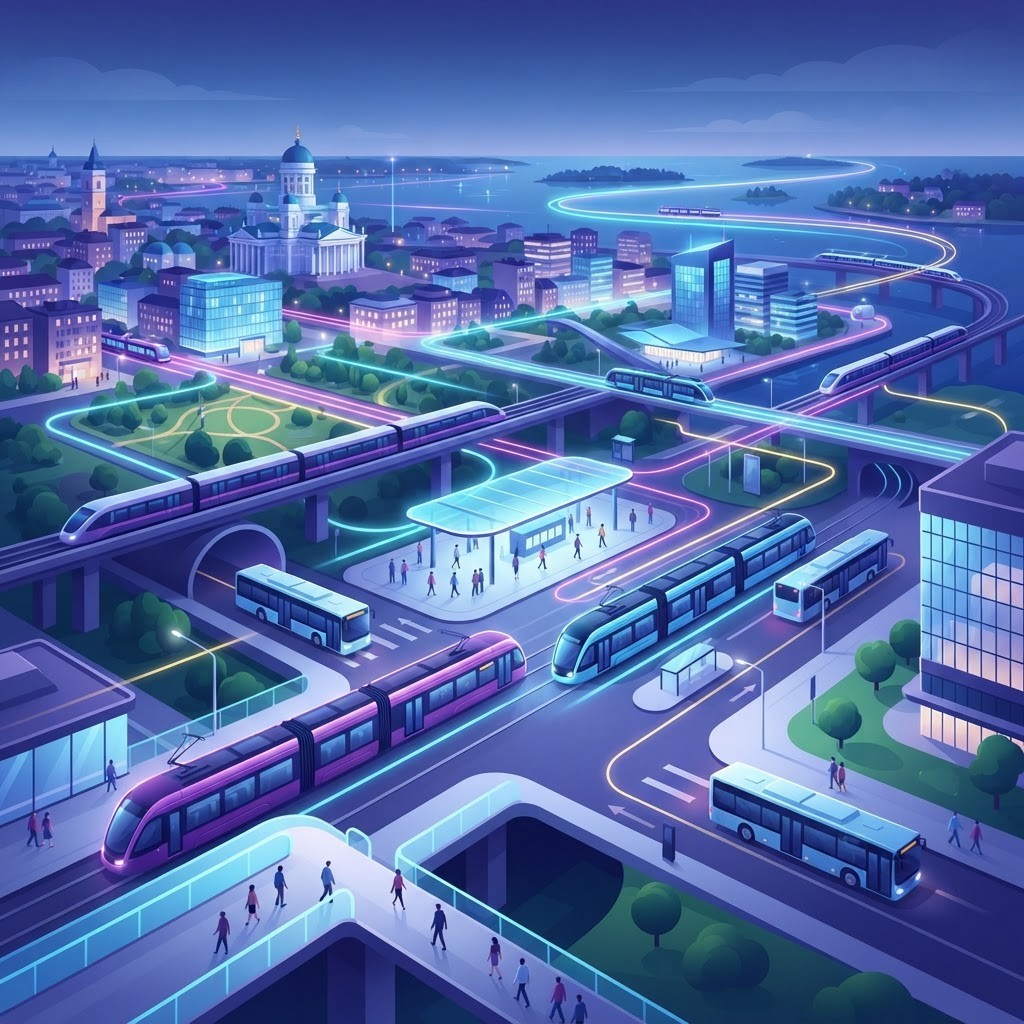
Efficient Mobility the Finnish Way
Public transport in Finland is a model of efficiency, accessibility, and sustainability. From the tram-lined streets of Helsinki to the bus networks serving smaller towns, Finnish transit systems are designed to be reliable, affordable, and environmentally friendly. Well-integrated ticketing, punctual schedules, and a strong commitment to green energy make public transit a genuinely attractive option for residents and visitors alike, reducing reliance on private cars and easing urban congestion.
The Leading Transit Services
HSL (Helsinki Region Transport) is the flagship of Finnish public transit, coordinating buses, trams, the metro, commuter trains, and ferries across the greater Helsinki area. Its seamless integration and unified ticketing make travelling across the capital region effortless. Helsinki's metro, the northernmost in the world, and its extensive tram network form the backbone of urban mobility.
Beyond the capital, regional authorities operate their own respected systems. Föli serves the Turku region with an efficient, easy-to-use bus network, while Nysse coordinates public transport in the Tampere area, which recently added a modern tram line that has transformed local mobility. Waltti provides a shared ticketing platform used by numerous cities across Finland, simplifying travel nationwide. Long-distance travel is well served by Onnibus and Matkahuolto coach networks, alongside VR's rail services, ensuring connectivity between cities and rural areas.
Integrated and Smart Ticketing
One of the standout features of Finnish public transit is its integrated ticketing. A single ticket or travel card often covers multiple modes of transport, allowing passengers to switch seamlessly between bus, tram, metro, and train. Mobile apps have further simplified the experience, enabling users to plan journeys, purchase tickets, and track vehicles in real time from their smartphones.
This integration reflects the broader Mobility as a Service concept, which Finland has pioneered. The idea of combining all transport options into a single, easy-to-use platform has attracted international attention and positions the country at the forefront of smart urban mobility.
Sustainability at the Core
Environmental responsibility is central to Finnish public transport. Cities are rapidly electrifying their bus fleets, with electric buses becoming an increasingly common sight in Helsinki and other urban centres. Trams and metros run on clean electricity, and biofuels power many remaining diesel vehicles. These efforts significantly reduce emissions and align with Finland's ambitious climate goals.
By offering a clean and convenient alternative to driving, public transit plays a key role in reducing the carbon footprint of urban life. Investment in cycling infrastructure and pedestrian-friendly city design complements transit systems, creating holistic, sustainable mobility networks.
Accessibility and Comfort
Finnish transit systems are designed with accessibility in mind. Low-floor buses and trams, step-free metro stations, audible and visual announcements, and thoughtful design ensure that people of all abilities can travel with ease. Clean, well-maintained vehicles and stations contribute to a pleasant experience, while reliable schedules build trust among passengers.
Even in winter, Finnish transit maintains impressive reliability. Robust maintenance, snow clearance, and cold-weather engineering keep services running smoothly through the harshest months, a testament to the system's resilience.
Trends and the Future
Public transport in Finland continues to evolve. Cities are expanding tram networks, electrifying fleets, and integrating shared mobility options such as bikes and scooters into the broader transit ecosystem. Real-time data, contactless payments, and journey-planning apps are enhancing convenience and encouraging more people to choose public transport.
The ongoing development of Mobility as a Service platforms promises an even more seamless future, where a single subscription could grant access to trains, buses, trams, taxis, and shared vehicles. Such innovation reinforces Finland's reputation as a leader in sustainable, user-friendly urban mobility.
Connecting Communities
Beyond the major cities, public transit plays a vital role in connecting smaller towns and rural communities across Finland. Regional bus networks and long-distance coaches ensure that residents outside urban centres can access work, education, healthcare, and services without depending solely on private cars. This connectivity is essential for social inclusion, allowing students, elderly citizens, and those without vehicles to remain mobile and engaged. Coordinated timetables link regional services with national rail and city networks, creating a cohesive system that spans the entire country. By maintaining these connections even in sparsely populated areas, Finland demonstrates a strong commitment to equitable mobility, ensuring that geography does not determine access to opportunity and that communities everywhere remain linked to the wider nation.
Why Public Transit Thrives
The success of Finnish public transit rests on reliability, integration, affordability, and sustainability. Passengers trust the system to get them where they need to go, on time and at reasonable cost. The environmental benefits resonate with a population that values ecological responsibility, while the convenience of integrated ticketing and modern apps makes transit genuinely appealing.
Conclusion
Finland's public transit services exemplify how thoughtful design, integration, and sustainability can create world-class urban mobility. Led by HSL in the capital and complemented by efficient regional systems such as Föli and Nysse, the country offers clean, punctual, and accessible transport that reduces congestion and emissions. As cities continue to innovate and electrify, Finnish public transit remains a shining example of modern, people-focused mobility.