
Public Transit in Fairfield: More Options Than You Might Think
Fairfield, Connecticut, is often thought of as a car-dependent suburb, but its public transit network is more comprehensive than many visitors expect. Commuter rail runs through the heart of town, regional buses connect neighborhoods and nearby cities, and paratransit services support riders with disabilities. For students at Fairfield University and Sacred Heart University, commuters heading to Stamford or Manhattan, and residents who prefer not to drive, these services are invaluable.
We ranked the best public transit services available to Fairfield residents based on coverage, frequency, reliability, affordability, accessibility, and how well they integrate with one another.
How Fairfield's Transit Network Fits Together
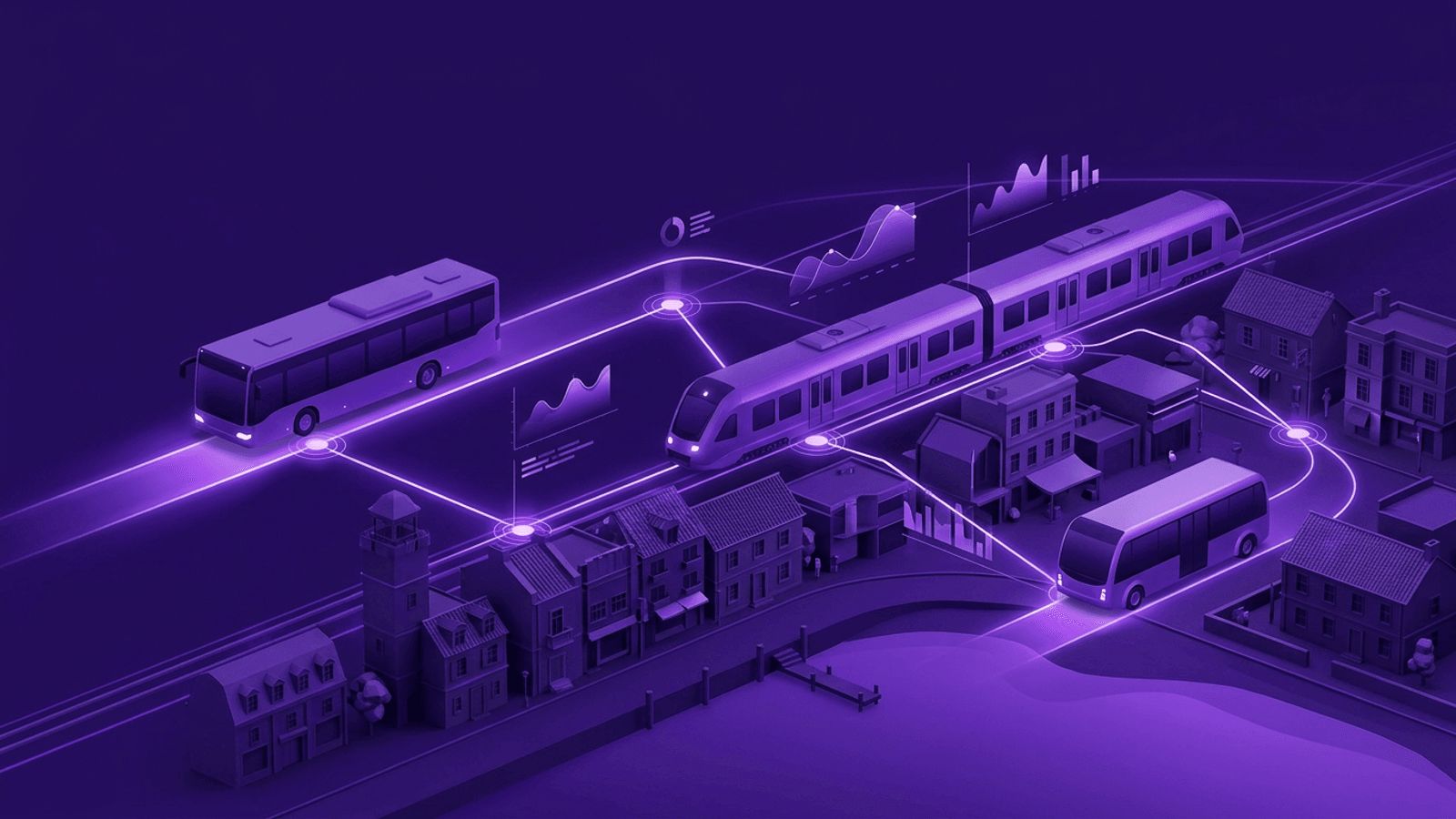
Fairfield's transit system works best as an integrated network. Local buses feed into train stations, regional routes connect neighboring towns, and intercity rail links the region to major cities. Understanding these connections helps riders plan efficient trips without a car.
The Top 10 Public Transit Services
1. Metro-North Railroad New Haven Line
The New Haven Line is the most important transit service in Fairfield. With stations at Fairfield, Fairfield Metro, and Southport, it offers frequent service to Stamford, Greenwich, and Grand Central Terminal, plus connections east to New Haven. It is the primary commuting option for thousands of residents.
2. Greater Bridgeport Transit
Greater Bridgeport Transit operates local bus routes throughout Fairfield, Bridgeport, Stratford, and Trumbull. Its routes connect residential neighborhoods with shopping centers, colleges, hospitals, and train stations, providing essential mobility for daily errands and commutes.
3. Coastal Link
The Coastal Link is a regional bus route along the Post Road corridor connecting Norwalk, Westport, Fairfield, Bridgeport, Stratford, and Milford. Jointly operated by regional transit districts, it offers a valuable east-west connection for riders traveling between shoreline towns.
4. GBT Paratransit
Greater Bridgeport Transit's ADA paratransit service provides door-to-door transportation for eligible riders with disabilities. It ensures that residents who cannot use fixed-route buses can still access work, medical appointments, and community activities.
5. Norwalk Transit District
Norwalk Transit District serves Norwalk and neighboring communities with local bus routes and paratransit. Its participation in regional routes makes it an important partner for Fairfield residents traveling west along the shoreline.
6. Milford Transit District
Milford Transit District provides local service in Milford and contributes to regional connections along the Coastal Link corridor. It helps Fairfield residents reach shopping destinations and employers east of Bridgeport.
7. CTtransit
CTtransit operates bus service in major Connecticut regions, including Stamford and New Haven. Fairfield residents who commute or travel to these cities can rely on CTtransit's frequent routes and modern buses after arriving by train.
8. Amtrak
Although primarily an intercity operator, Amtrak serves as a public transit link for longer regional trips. From nearby Bridgeport and Stamford stations, Fairfield residents can reach Boston, Providence, and Washington efficiently.
9. CTrail Shore Line East
CTrail Shore Line East extends rail service east of New Haven toward New London. It connects with Metro-North and provides Fairfield residents with access to coastal towns and attractions in eastern Connecticut.
10. Bridgeport and Port Jefferson Ferry
The Bridgeport and Port Jefferson Steamboat Company operates ferry service across Long Island Sound between Bridgeport and Port Jefferson, New York. It offers Fairfield residents a scenic and practical way to reach Long Island while avoiding New York City traffic.
Tips for Using Public Transit in Fairfield
- Plan with trip-planning apps: Real-time tools combine bus and train schedules for seamless trips.
- Use transfer opportunities: Buses often time arrivals with train departures at major stations.
- Explore reduced fares: Seniors, students, and riders with disabilities may qualify for discounted fares.
- Check weekend schedules: Service frequency often changes on weekends and holidays.
- Apply for paratransit early: Eligibility certification can take time, so start the process in advance.
Transit Trends in Connecticut
Connecticut is investing in modernizing public transit. Transit agencies are introducing electric buses, contactless fare payment, and improved real-time information. Rail improvements on the New Haven Line aim to increase speed and reliability, while microtransit pilots offer on-demand service in areas with limited fixed routes. These changes are making public transit more attractive to suburban residents.
Living Car-Light in Fairfield
Some Fairfield residents choose to live with fewer cars, or none at all, by relying on public transit. Neighborhoods near downtown Fairfield, the Fairfield Metro station, and Southport offer walkable access to trains, shops, and restaurants. Combining transit with occasional rideshare trips, car sharing, and cycling can significantly reduce transportation costs. Students and young professionals in particular find that a car-light lifestyle is practical in these areas. Seniors who no longer drive also benefit from accessible buses and paratransit services that support independence. As transit options continue to improve, more residents are discovering the financial and environmental benefits of driving less.
Final Thoughts
Fairfield's public transit network offers real choices for residents and visitors. Metro-North and Greater Bridgeport Transit form the core, the Coastal Link connects shoreline towns, and paratransit ensures accessibility. Regional rail and the ferry expand travel possibilities further. With thoughtful planning, it is entirely possible to enjoy Fairfield and the surrounding region using public transit.