
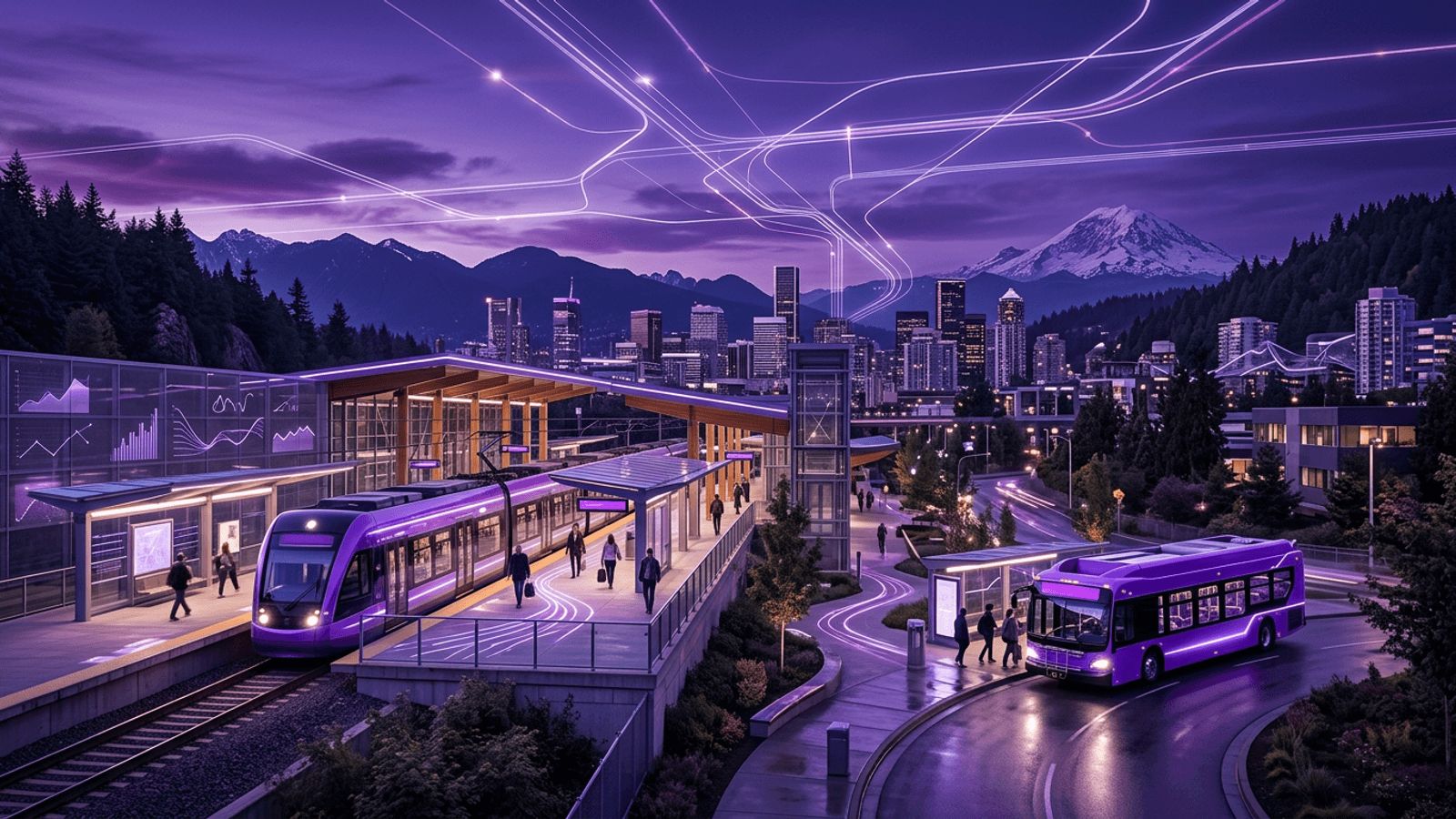
Getting Around Everett Without a Car
Everett sits at a crossroads of regional travel. Interstate 5, US Highway 2, and State Route 526 all converge here, and Everett Station serves as one of the most important multimodal transit hubs north of Seattle. For commuters heading to Boeing, Providence Regional Medical Center, downtown offices, or jobs in Seattle and Bellevue, public transit offers a cost-effective and less stressful alternative to sitting in traffic.
Transit in the region has improved steadily, with frequent bus rapid transit lines, expanded commuter service, and long-term plans to bring light rail directly into the city. The following ten services represent the most useful public transportation options for Everett residents and visitors.
The Top 10 Public Transit Services in Everett
1. Everett Transit
Everett Transit is the city's own bus system and the backbone of local travel. Its routes connect neighborhoods, shopping centers, Everett Community College, the waterfront, and Everett Station. The agency also operates paratransit services for riders with disabilities, ensuring accessible mobility across the city.
2. Community Transit Local Bus
Community Transit serves most of Snohomish County and links Everett to communities such as Lynnwood, Mill Creek, Marysville, and Arlington. Its local routes are essential for residents who live outside the city core and need dependable connections to jobs, schools, and services.
3. Swift Bus Rapid Transit
Swift, operated by Community Transit, is the region's bus rapid transit network. Swift lines provide frequent, limited-stop service with raised platforms, off-board fare payment, and signal priority. The Blue Line along Highway 99 and the Green Line serving the Paine Field area are especially valuable for Everett commuters.
4. Sound Transit Sounder Commuter Rail
The Sounder North line runs between Everett and Seattle along the scenic Puget Sound shoreline, with stops in Mukilteo and Edmonds. It offers a comfortable, traffic-free commute during peak hours and is a favorite among downtown Seattle workers who want to read or work during the ride.
5. Sound Transit Express Buses
Sound Transit Express buses provide fast regional connections between Everett and major job centers including Seattle, Bellevue, and the Lynnwood City Center light rail station. These routes use high-occupancy lanes on Interstate 5 and Interstate 405 to keep travel times competitive.
6. Link Light Rail Connections
With Link light rail now reaching Lynnwood, Everett riders can transfer from buses to trains that run frequently into Seattle, the University District, and beyond. Sound Transit's long-range plans include extending light rail all the way to Everett, which is expected to further transform regional mobility.
7. Amtrak Cascades
Amtrak Cascades stops at Everett Station and connects the city with Seattle, Bellingham, Vancouver in British Columbia, and Portland. It is a relaxing choice for weekend getaways and business trips, offering spacious seating, onboard dining, and beautiful views of the Pacific Northwest.
8. Amtrak Empire Builder
The Empire Builder is a long-distance route that departs from Seattle and stops in Everett before crossing the Cascade Mountains toward Spokane, Montana, and Chicago. It is one of the most scenic train routes in the country and gives Everett residents a unique way to travel east.
9. Washington State Ferries
The Mukilteo to Clinton ferry route, just a few miles from downtown Everett, connects the mainland with Whidbey Island. Transit buses serve the Mukilteo terminal, making it possible to reach island destinations without driving. The ferry is both a practical commute option and a beloved scenic experience.
10. Skagit Transit County Connector
Skagit Transit operates County Connector service linking Everett Station with Mount Vernon and other Skagit County communities. This service is important for workers and students who travel between the two counties and want an affordable, reliable alternative to driving on Interstate 5.
Tips for Riding Transit in Everett
An ORCA card is the easiest way to pay across most regional systems, including Everett Transit, Community Transit, Sound Transit, and Washington State Ferries. Transfers are generally simplified when you use ORCA, and reduced fares are available for youth, seniors, and qualifying low-income riders. Trip planning apps provide real-time arrival information, which is especially helpful on rainy days.
Everett Station is the central meeting point for many services, so learning its layout can save time. Bike racks on buses and secure bike parking at major stations also make it easy to combine cycling with transit.
Benefits of Choosing Transit
Riding transit can save Everett households thousands of dollars each year on fuel, parking, insurance, and vehicle maintenance. It also reduces stress for commuters who would otherwise face congestion on Interstate 5. Many employers in the region offer subsidized transit passes, making the financial case even stronger.
The Future of Transit in Everett
Regional investment continues to expand options. Additional Swift lines, more frequent bus service, and the planned light rail extension promise shorter travel times and better connections. Transit-oriented development near stations is bringing more housing and amenities within walking distance of high-quality service.
Conclusion
Everett offers a remarkably complete transit network for a city of its size. From local buses and rapid transit to commuter rail, ferries, and long-distance trains, residents can travel across the region and beyond without relying on a car. Explore these services and find the combination that makes your daily routine easier and more sustainable.