
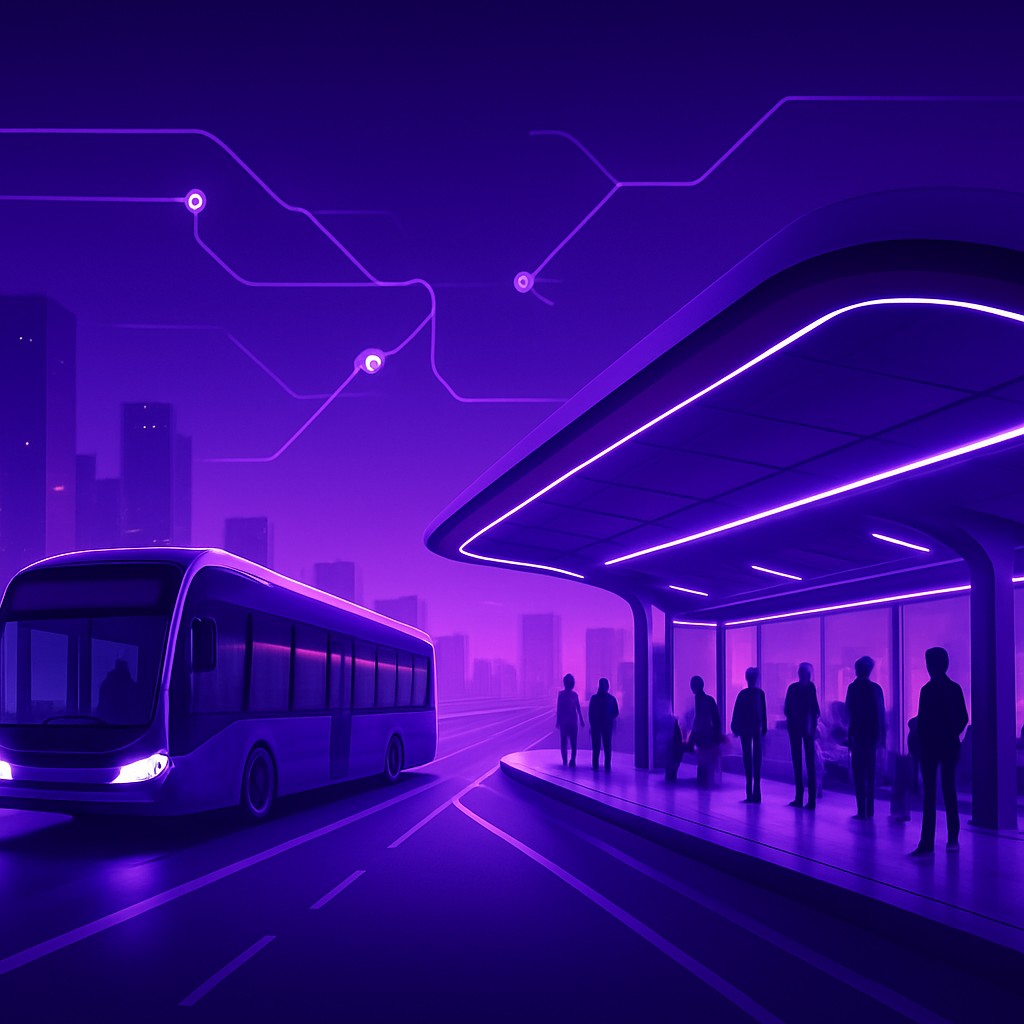
Public Transit: Connecting Communities Across El Salvador
Public transit is the lifeblood of mobility in El Salvador, providing affordable and accessible transportation for millions of residents. From the bustling streets of San Salvador to towns and rural communities, public transit services connect people to jobs, education, healthcare, and essential services. The system encompasses buses, microbuses, and emerging modern transit solutions that collectively keep the nation moving.
As urban populations grow and cities expand, the importance of efficient, reliable public transit continues to increase. Investments in modernization and improved services aim to enhance the experience for the millions who depend on public transportation every day.
The Foundation of Urban Mobility
Buses and microbuses form the backbone of public transit in El Salvador. These services provide extensive coverage, connecting neighborhoods, commercial districts, and transit hubs throughout urban and suburban areas. Their frequency and affordability make them the primary choice for daily commuters, students, and workers.
The dense network of routes ensures that even hard-to-reach areas have access to public transportation, supporting economic activity and social connectivity across the country.
Modern Transit Initiatives
SITRAMSS (Sistema Integrado de Transporte del Area Metropolitana de San Salvador) represents a significant step toward modernizing public transit in the capital. This integrated transit system introduces dedicated lanes, modern buses, and organized routes designed to improve efficiency and reduce congestion. By streamlining operations, SITRAMSS enhances the commuting experience for residents in the metropolitan area.
Such initiatives reflect a broader commitment to upgrading public transportation infrastructure and providing higher-quality service to the public.
The Role of Bus Cooperatives
Bus cooperatives and associations play a vital role in operating public transit services across El Salvador. These organizations manage routes, coordinate operations, and provide service to communities throughout the country. Their extensive networks and local knowledge enable them to serve diverse areas effectively.
Cooperatives contribute significantly to the accessibility and reach of public transit, ensuring that transportation remains available and affordable for residents in both urban and rural settings.
Affordability and Accessibility
One of the greatest strengths of public transit in El Salvador is its affordability. Low fares make transportation accessible to people across all income levels, supporting economic participation and social mobility. For many residents, public transit is the only viable option for daily travel, making its affordability essential.
Accessibility also extends to coverage, with services reaching a wide range of destinations. Efforts to improve accessibility for people with disabilities and to enhance the overall passenger experience continue to be important priorities.
Improving Safety and Comfort
Enhancing safety and comfort is a key focus for public transit modernization. Newer buses with improved features, better-maintained vehicles, and organized routes contribute to a safer, more comfortable experience. Driver training and adherence to safety standards further protect passengers.
These improvements address common concerns and aim to make public transit a more attractive option for a broader range of users, including those who might otherwise choose private vehicles.
Technology and Future Innovations
Technology is beginning to transform public transit in El Salvador. Digital payment systems, route information apps, and improved scheduling enhance convenience and efficiency. These innovations reduce wait times, improve planning, and provide passengers with valuable information.
Looking ahead, there is potential for further technological integration, including real-time tracking and smart transit solutions that could significantly improve the public transportation experience.
The Future of Public Transit
The future of public transit in El Salvador holds promise for continued modernization and improvement. Investments in infrastructure, modern vehicles, and integrated systems aim to create a more efficient, reliable, and comfortable transit network. Addressing challenges such as congestion, environmental impact, and service quality remains a priority.
As cities grow and mobility needs evolve, public transit will continue to play a central role in connecting communities and supporting economic development. The dedication to improving these services ensures that public transportation remains a vital, accessible resource for the millions of Salvadorans who rely on it every day, keeping the nation connected and moving forward.