
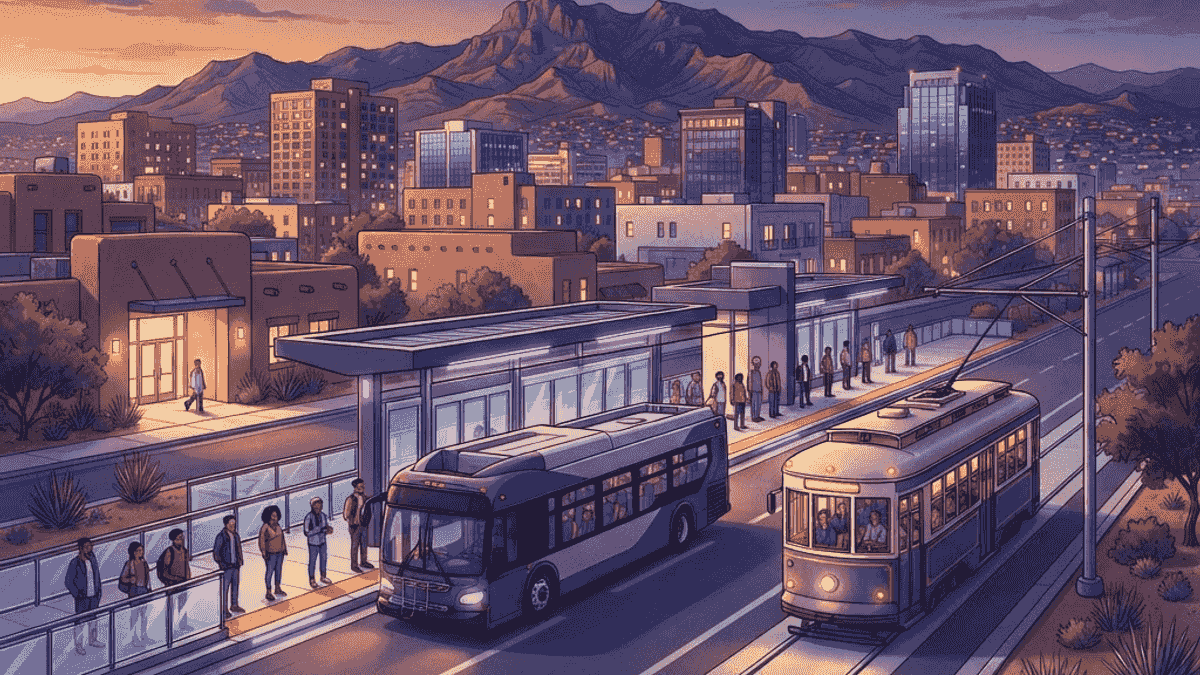
Getting Around the Sun City
Public transit plays a vital role in El Paso, connecting residents to jobs, schools, healthcare, and the vibrant cultural life of this sprawling border metropolis. As one of the largest cities in Texas by land area, El Paso presents unique mobility challenges, and its transit services have evolved to meet them with a growing network of buses, rapid transit lines, and a historic streetcar. Affordable and increasingly efficient, public transit offers an essential alternative to car ownership for many families.
For students, commuters, seniors, and visitors alike, reliable transit expands access to opportunity while reducing traffic congestion and pollution. El Paso's investments in modern transit infrastructure reflect a commitment to sustainable, inclusive urban growth.
What Makes Transit Service Excellent
The best public transit systems combine frequency, reliability, accessibility, and affordability. Riders value routes that run on predictable schedules, clean and comfortable vehicles, and real-time arrival information available through mobile apps. Accessibility for passengers with disabilities, including wheelchair ramps and audio announcements, is a marker of a well-designed system.
Coverage matters too. A great transit network reaches employment centers, medical facilities, shopping districts, and residential neighborhoods, ensuring that mobility is available to everyone regardless of where they live or work.
Key Transit Services in El Paso
Sun Metro, the city's primary transit agency, anchors public transportation with an extensive bus network and its innovative Brio bus rapid transit lines. The Brio corridors, including the Mesa, Alameda, Dyer, and Montana lines, offer faster, higher-frequency service along major arteries, dramatically improving commute times.
The El Paso Streetcar, featuring lovingly restored vintage PCC cars, provides a charming and practical link through downtown and the university area. Complementary services such as LIFT paratransit ensure that residents with disabilities can travel independently. Regional connections and cross-border transit options further expand the reach of the system, while park-and-ride facilities encourage suburban commuters to leave their cars behind.
Trends Shaping El Paso Transit
El Paso continues to modernize its transit offerings with cleaner vehicles, including compressed natural gas and electric buses that reduce emissions and operating costs. Digital fare payment, mobile ticketing, and improved trip-planning apps have made riding more convenient than ever. The city has also expanded rapid transit corridors to serve growing areas and reduce reliance on personal vehicles.
Transit-oriented development, which concentrates housing and business near major routes, is gaining traction as El Paso plans for a more connected future. These efforts aim to make public transportation an appealing choice for an ever-wider range of residents.
Making the Most of Public Transit
To get the best experience from El Paso transit, familiarize yourself with route maps, download the official trip-planning tools, and take advantage of discounted passes for students, seniors, and frequent riders. Combining Brio rapid transit with local routes can significantly shorten travel times.
With continued investment and thoughtful planning, El Paso's public transit services offer an increasingly attractive way to navigate the city. Embracing transit not only saves money but also contributes to a cleaner, less congested community for everyone.