
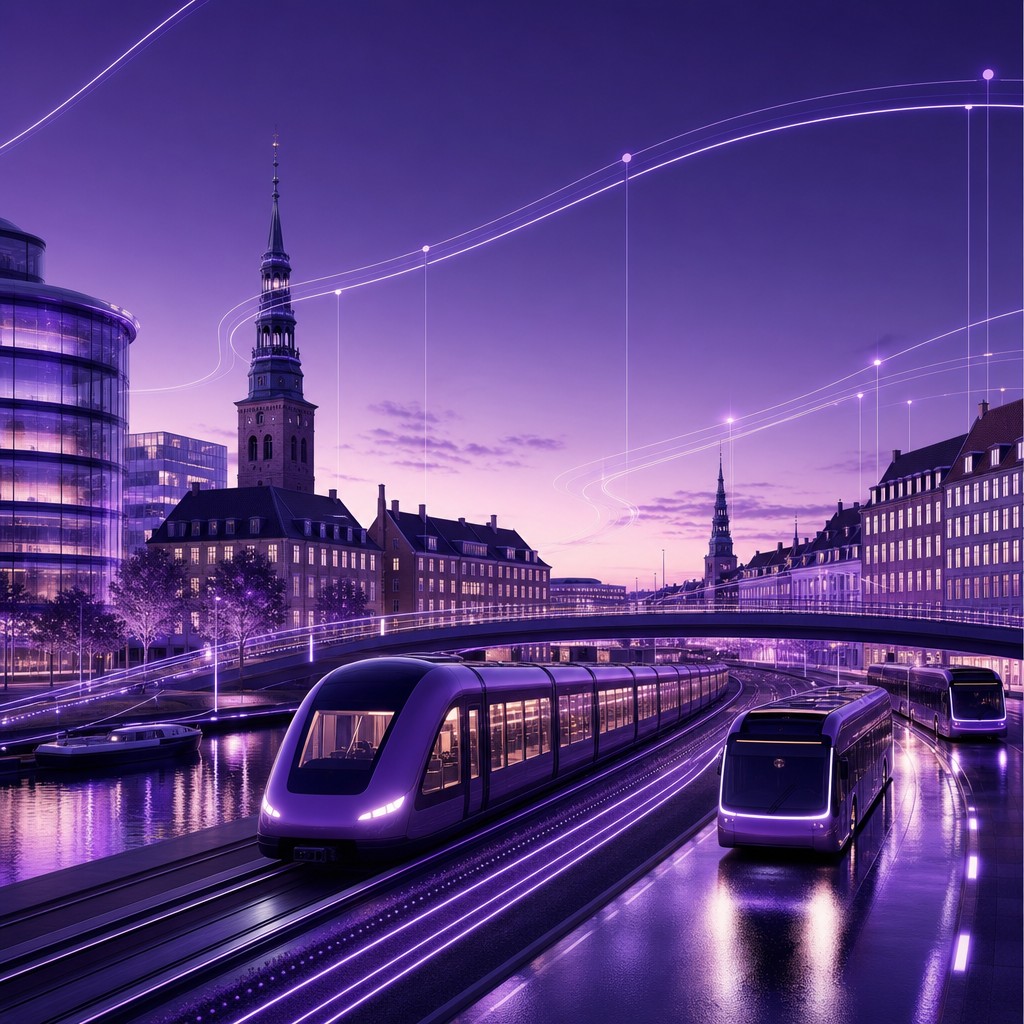
Why Denmark Leads in Public Transit
Denmark has built a reputation as one of the most mobility-friendly nations in the world, and its public transit system sits at the heart of that achievement. With a strong cultural emphasis on sustainability, punctuality, and accessibility, Danish transit operators have created a seamless web of trains, metros, buses, and ferries that connect even the most remote corners of the country. Commuters in Copenhagen, Aarhus, Odense, and Aalborg enjoy integrated ticketing, real-time scheduling, and a steady push toward fully electric and carbon-neutral fleets.
The Danish government's long-term investment in green infrastructure has positioned the nation as a model for urban planners across Europe. Whether you are a daily commuter, a tourist exploring historic districts, or a business traveler navigating between cities, Denmark's transit services offer reliability that few countries can match.
1. DSB (Danske Statsbaner)
DSB is Denmark's national railway operator and the backbone of long-distance travel across the country. Serving millions of passengers annually, DSB connects major cities with frequent intercity trains and operates the busy S-train network around Copenhagen. The company is widely recognized for its commitment to punctuality, comfortable carriages, and ongoing electrification projects designed to reduce emissions.
2. Metroselskabet (Copenhagen Metro)
The Copenhagen Metro, operated by Metroselskabet, is a fully automated, driverless system that runs around the clock. Renowned for its reliability and frequency, the Metro has transformed urban mobility in the capital. The newer City Ring line has dramatically improved connectivity, making it one of the most celebrated metro expansions in Northern Europe.
3. Movia
Movia is the largest public transport authority in Denmark, coordinating bus, local train, and flexible transport services across Zealand and surrounding regions. Movia plays a crucial role in last-mile connectivity, ensuring that passengers can reach destinations beyond the reach of rail networks. Its aggressive transition toward electric buses reflects Denmark's broader environmental goals.
4. Midttrafik
Operating in the Central Denmark Region, Midttrafik manages bus services and the Aarhus Letbane light rail. Aarhus, Denmark's second-largest city, benefits enormously from Midttrafik's integrated approach, which combines modern tram lines with an extensive bus network to serve students, professionals, and visitors alike.
5. Nordjyllands Trafikselskab (NT)
NT serves the North Jutland region, including the vibrant city of Aalborg. The operator has earned praise for introducing the Aalborg Plusbus, a high-capacity rapid bus system that delivers tram-like efficiency. NT's focus on accessibility and rural coverage ensures that smaller communities remain well connected.
6. Fynbus
Fynbus oversees public transport on the island of Funen, with Odense as its central hub. The launch of the Odense Letbane light rail marked a major milestone for the region, complementing Fynbus's bus services and supporting Odense's transformation into a more pedestrian and transit-friendly city.
7. Sydtrafik
Sydtrafik manages transit across southern Jutland, linking towns and rural areas with a dependable bus network. The operator emphasizes coordinated timetables with rail services, making cross-regional travel straightforward for commuters and tourists exploring Denmark's southern landscapes.
8. Arriva Danmark
Arriva is a key private operator running both train and bus services under contract throughout Denmark. The company is known for operating regional rail lines in Jutland and maintaining high service standards. Arriva's involvement demonstrates how public-private partnerships strengthen Denmark's overall transit ecosystem.
9. Molslinjen
For travelers crossing Danish waters, Molslinjen is the leading ferry operator, connecting Jutland with Zealand and other islands. Its high-speed catamarans dramatically reduce travel times, offering a scenic and efficient alternative to road travel. Ferries remain an essential component of Denmark's archipelago-based geography.
10. Rejsekort and the Rejseplanen Ecosystem
While not a transit operator in the traditional sense, the Rejsekort smart card and Rejseplanen journey planner unify Denmark's entire transit landscape. Rejsekort allows passengers to tap into trains, buses, metros, and ferries with a single card, while Rejseplanen provides real-time, nationwide trip planning. Together, they exemplify the integrated philosophy that defines Danish mobility.
Trends Shaping Danish Public Transit
Several trends are driving the evolution of public transit in Denmark. Electrification is accelerating, with operators retiring diesel fleets in favor of battery-electric buses and trains. Digital ticketing and mobile apps continue to simplify the passenger experience, while data-driven scheduling improves reliability. Denmark's commitment to becoming carbon neutral has made sustainable transit a national priority rather than an afterthought.
Choosing the Right Service
For most residents and visitors, the choice of operator depends on geography. Copenhagen travelers rely heavily on the Metro and DSB S-trains, while those in Aarhus, Odense, and Aalborg benefit from modern light rail and rapid bus systems. Across all regions, the integrated Rejsekort system ensures that switching between operators is effortless. Denmark's public transit services collectively offer a level of convenience, sustainability, and reliability that continues to set international standards.