
Public Transit in the Gem City
Public transportation is an essential lifeline for thousands of Dayton residents who rely on it to reach jobs, schools, medical appointments, and grocery stores. The region's transit network is anchored by the Greater Dayton Regional Transit Authority, which operates one of the few remaining electric trolleybus systems in North America, a feature that sets Dayton apart from most mid-sized American cities.
Beyond the RTA, neighboring counties operate their own transit services, bike share provides convenient first and last mile connections, and specialized programs support older adults and riders with disabilities. Here are the top public transit services that make getting around Dayton easier, more affordable, and more sustainable.
1. Greater Dayton RTA Fixed-Route Bus Service
The RTA operates dozens of fixed routes across Montgomery County and into neighboring areas. Its network connects downtown, universities, hospitals, shopping centers, and major employers. Riders can use mobile ticketing and real-time bus tracking to plan trips, and fares remain affordable compared to the cost of owning and operating a car.
2. RTA Electric Trolleybuses
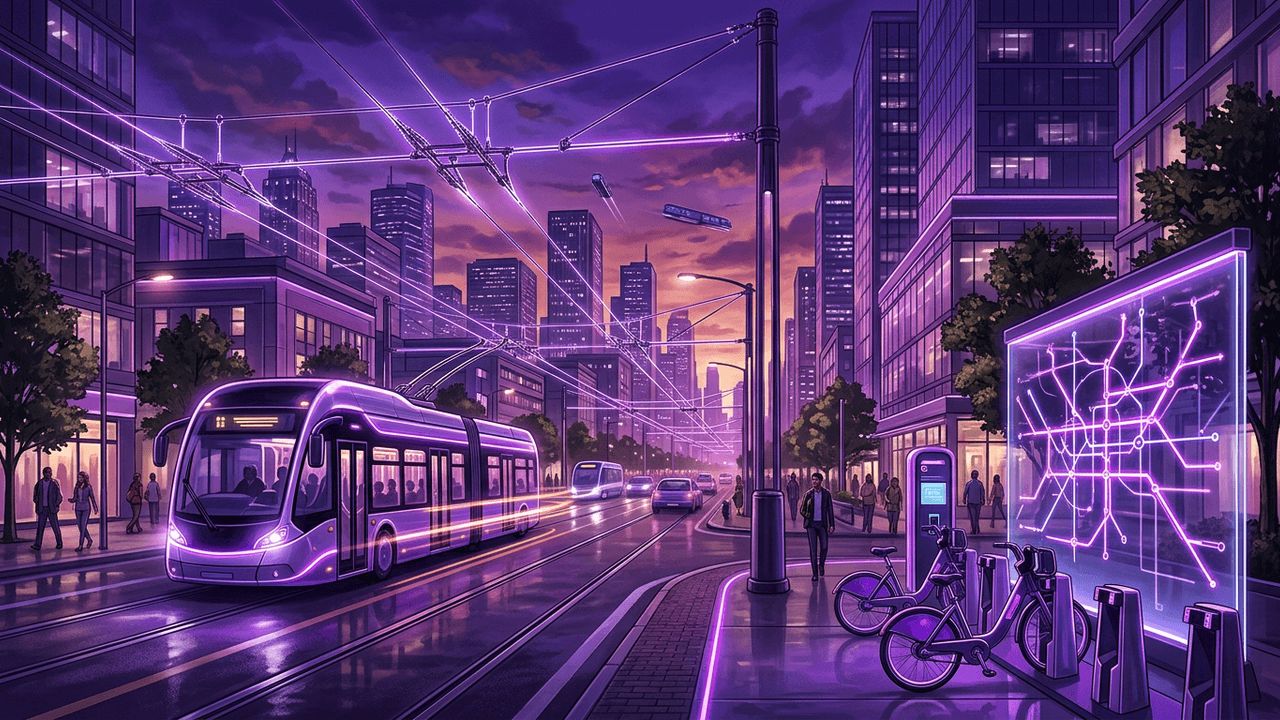
Dayton's electric trolleybuses draw power from overhead wires and have served the city for decades. The RTA has modernized its fleet with new dual-mode vehicles that can also operate on battery power for short distances. These quiet, zero-emission buses are a source of local pride and a model for sustainable urban transit.
3. RTA Connect On-Demand
RTA Connect provides app-based, on-demand shared rides in designated zones, especially in areas where fixed routes are limited. Riders can request a pickup and travel within the zone or connect to fixed-route buses. This flexible service helps residents reach jobs and services in suburban and lower-density areas.
4. RTA Project Mobility
Project Mobility is the RTA's ADA paratransit service for riders who cannot use fixed-route buses due to a disability. It offers advance-scheduled, curb-to-curb trips in accessible vehicles. The service plays a crucial role in helping riders maintain independence and access to essential destinations.
5. Link Dayton Bike Share
Link Dayton Bike Share offers bicycles at stations throughout downtown and nearby neighborhoods. It is ideal for short trips, connecting to bus routes, and exploring the riverfront trails. Riders can unlock bikes with an app and return them to any station, making it a convenient part of the region's multimodal network.
6. Greene CATS Public Transit
Greene CATS serves Greene County, including Xenia, Fairborn, Beavercreek, and Yellow Springs. It offers fixed routes and demand-response service, connecting residents to employment centers, shopping, and healthcare. It also links riders to RTA services for trips into Dayton.
7. Miami County Transit
Miami County Transit provides demand-response service in Troy, Piqua, Tipp City, and other communities. It is particularly valuable for older adults, people with disabilities, and residents without cars who need reliable transportation to medical appointments and errands.
8. Butler County Regional Transit Authority
Butler County RTA serves communities south of Dayton, including Hamilton, Middletown, and Oxford. Its routes connect students at Miami University and workers throughout the county, and its services help link the Dayton and Cincinnati regions.
9. Senior Transportation Programs
Several senior centers and nonprofit organizations across Montgomery and Greene counties offer transportation for older adults. These programs provide door-to-door rides to medical appointments, grocery stores, and social activities, helping seniors remain active and connected to their communities.
10. University Shuttle Services
The University of Dayton and Wright State University operate shuttle services that help students reach campus buildings, nearby housing, and shopping areas. These shuttles reduce parking demand and offer a safe, convenient way for students to travel without a car.
Benefits of Using Public Transit
Public transit saves riders money on fuel, insurance, parking, and maintenance. It reduces traffic congestion and air pollution, and it provides essential mobility for people who cannot drive. For downtown workers, taking the bus can eliminate parking costs and the stress of rush-hour traffic, while giving riders time to read, work, or relax.
Tips for New Riders
Download the RTA's trip planning and mobile ticketing apps before your first ride. Review route maps to find the most direct connection, and note that many trips transfer at the Wright Stop Plaza downtown. Arrive at your stop a few minutes early, and check real-time tracking for delays. If you need accessible transportation, apply for Project Mobility in advance.
The Future of Transit in Dayton
The region continues to invest in battery-electric buses, improved stops, and better connections between transit and bike infrastructure. On-demand microtransit is expanding service into underserved areas, and regional coordination is improving connections across county lines.
Transit for Visitors
Visitors staying downtown can use RTA buses to reach the Dayton Art Institute, the University of Dayton, and the Oregon District, and combine transit with bike share for riverfront exploring. Several routes also serve shopping destinations and major employment centers, making transit a practical option for conference attendees and business travelers.
Final Thoughts
Dayton's public transit network offers affordable, sustainable, and convenient options for residents and visitors. Whether you ride the iconic trolleybuses, use bike share, or book an on-demand ride, transit can make exploring the Gem City easier than ever.