
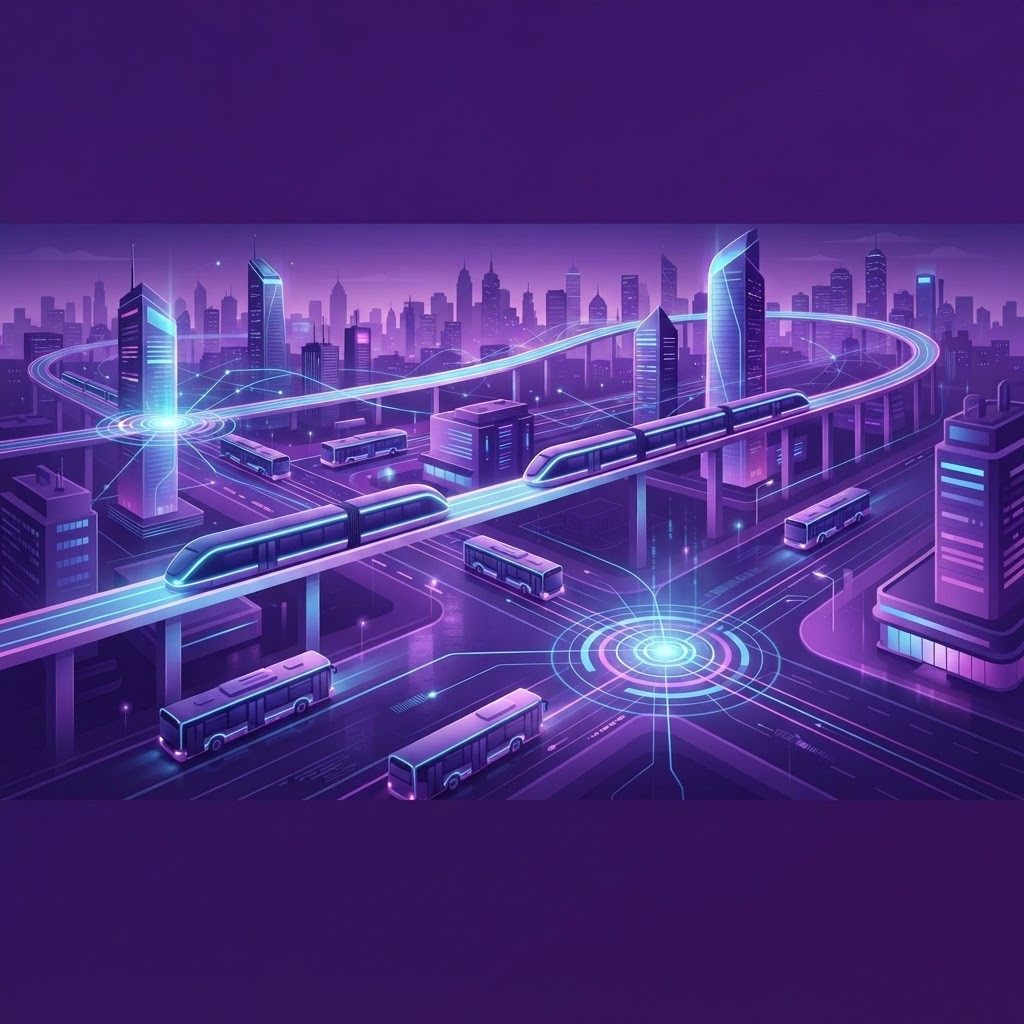
The Importance of Public Transit in Dallas
As one of the largest metropolitan areas in the country, Dallas relies on a robust public transit network to keep millions of residents and visitors moving. Efficient transit reduces traffic congestion, lowers commuting costs, and supports a more sustainable urban environment. For many Dallas residents, public transportation is not just a convenience but an essential part of daily life.
The metroplex has invested heavily in expanding rail lines, bus routes, and connective services over the past two decades. This growth reflects a broader commitment to accessible mobility, ensuring that people from all neighborhoods can reach jobs, schools, healthcare, and entertainment without depending solely on personal vehicles.
What Makes Transit Services Effective
A quality transit system balances coverage, frequency, affordability, and reliability. Riders value routes that reach key destinations, trains and buses that arrive on schedule, and fares that remain reasonable. Cleanliness, safety, and accessibility for riders with disabilities are equally important components of a well-run system.
Technology increasingly shapes the transit experience. Real-time arrival apps, contactless payment, and integrated trip planning tools make journeys smoother and more predictable. The best services embrace these innovations to serve a modern, mobile population.
Rail and Light Rail Options
DART Light Rail forms the spine of Dallas transit, connecting downtown with suburbs and major destinations across an extensive network of lines. Its reach and frequency make it a cornerstone of the region's mobility.
Trinity Railway Express links Dallas with Fort Worth, offering commuters a reliable regional connection between the two major cities. It remains a popular choice for those traveling across the metroplex for work.
Dallas Streetcar serves the Oak Cliff and downtown corridors, providing a charming and practical way to navigate central neighborhoods. Its scenic route also appeals to visitors exploring the area.
Bus and Rapid Transit Services
DART Bus Network covers a vast area with hundreds of routes, ensuring that even neighborhoods without rail access enjoy reliable connections. Its flexibility makes it indispensable for daily commuters.
GoLink On-Demand offers flexible, app-based rides within designated zones, bridging gaps in areas where fixed routes may be less convenient. This service adapts to individual rider needs.
DART Rapid Bus provides faster service along high-demand corridors, reducing travel times for busy commuters who need efficiency during peak hours.
Connective and Specialized Services
DFW Airport Transit Links connect the airport to the broader transit network, offering travelers a convenient alternative to driving or ride-hailing. This integration supports both tourists and business travelers.
Paratransit Services ensure that riders with disabilities can access dependable, door-to-door transportation. This commitment to inclusivity strengthens the overall system.
University Shuttle Connections serve students and staff at major campuses, integrating with the broader network to support the region's large educational community.
Downtown Circulator Routes provide frequent, short-distance service within the urban core, helping workers and visitors move quickly between offices, restaurants, and cultural venues.
Trends Shaping Dallas Transit
Public transit in Dallas continues to evolve to meet the needs of a growing population. Electrification of bus fleets is a major focus, reducing emissions and operating costs while improving air quality. Transit agencies are also expanding on-demand services that use technology to fill gaps left by traditional fixed routes.
Integration is another key trend. Unified payment systems and coordinated schedules make it easier for riders to transfer between services seamlessly. As the metroplex expands, planners are prioritizing connections that link new developments with existing transit corridors.
Benefits for Residents and Visitors
Reliable public transit offers advantages that extend beyond individual convenience. It reduces the number of cars on the road, easing congestion and lowering pollution. For households, using transit can significantly cut transportation expenses, freeing up income for other priorities.
Visitors also benefit from an accessible network that connects hotels, attractions, and business districts. Being able to explore Dallas without renting a car enhances the experience and reduces stress, making the city more welcoming to tourists.
Getting the Most from Dallas Transit
To make the most of the system, riders should take advantage of trip-planning apps that provide real-time updates and route suggestions. Purchasing passes rather than single fares often saves money for frequent travelers. Familiarizing yourself with transfer points and peak hours can also make journeys smoother.
Dallas has built a transit network that continues to expand and improve, serving a diverse and growing community. Whether you are a daily commuter, a student, or a visitor exploring the metroplex, the city's public transit services offer practical, affordable, and increasingly sustainable ways to get where you need to go.