
Mobility at the Heart of Ivorian Life
Public transit is the lifeblood of daily life in Côte d'Ivoire, connecting workers to jobs, students to schools, and traders to markets. In a country anchored by the sprawling metropolis of Abidjan, efficient transportation is essential to economic productivity and social connection. The transit landscape blends formal, government-backed systems with vibrant informal networks and modern app-based services, creating a rich and varied ecosystem that serves millions of journeys each day.
Understanding the options available helps residents and visitors navigate the country with greater ease, comfort, and affordability.
The Backbone of Urban Transport
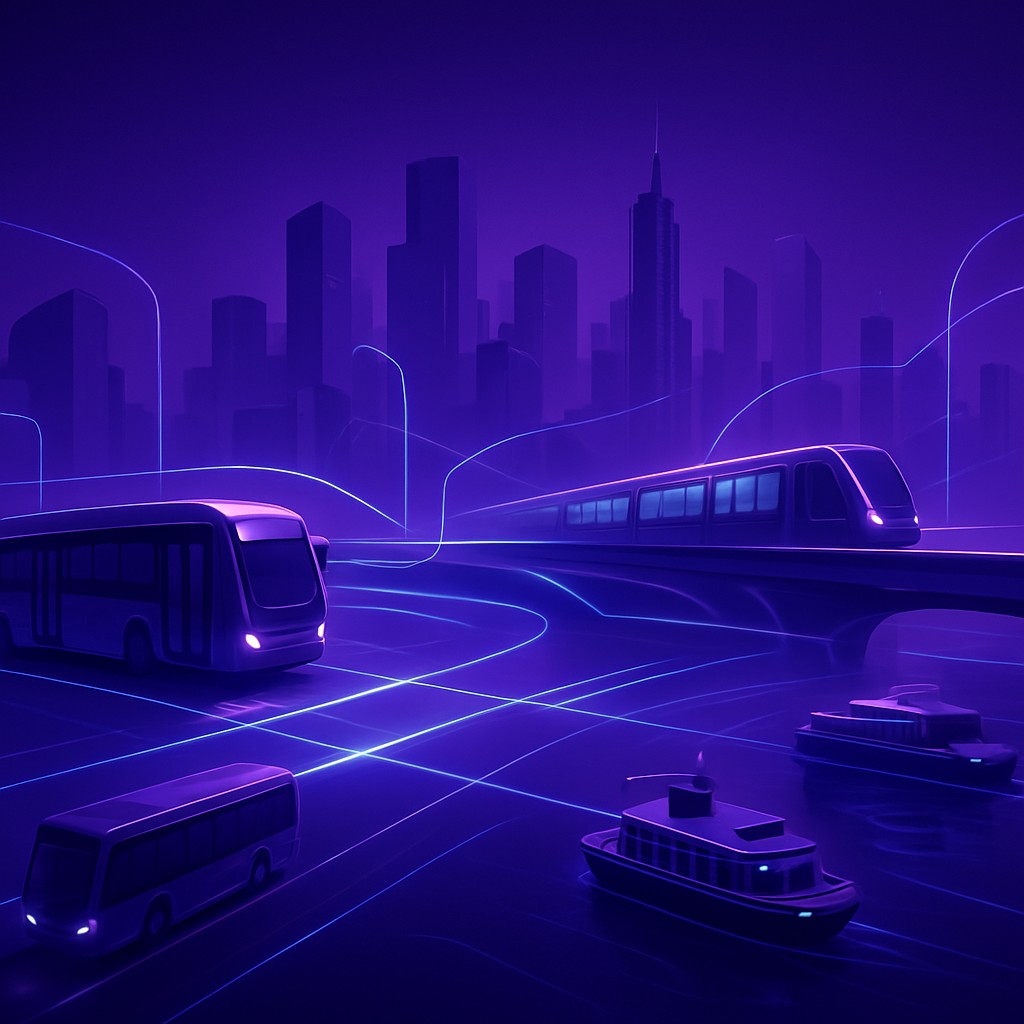
SOTRA (Société des Transports Abidjanais) is the cornerstone of public transit in Abidjan. As the city's official bus operator, SOTRA runs an extensive network of buses serving virtually every neighborhood. It also operates the iconic lagoon boat services, or bateaux-bus, which provide a scenic and efficient alternative to road travel across Abidjan's waterways. For many commuters, SOTRA represents the most affordable and structured way to move around the city.
The lagoon ferries deserve special mention. By using Abidjan's natural waterways, they bypass road congestion entirely, offering a faster and more pleasant commute between districts such as Treichville, Plateau, and Yopougon.
Shared Taxis and Minibuses
Woro-woro shared taxis are an indispensable part of the urban fabric. These color-coded vehicles operate within specific communes, picking up multiple passengers along established routes for a modest fare. They fill the gaps left by formal bus lines and offer flexibility that fixed schedules cannot match.
Gbaka minibuses serve as another vital link, carrying passengers along busy corridors throughout Abidjan and other cities. While informal, these minibuses provide affordable, frequent service and remain a popular choice for short and medium-distance trips.
Ride-Hailing and App-Based Services
Technology has transformed urban mobility in Côte d'Ivoire. Yango has become a favorite for its competitive pricing and reliable app experience, allowing users to book rides quickly and pay digitally. Uber also operates in Abidjan, offering the familiar convenience and safety features of a global platform.
Gozem, often described as the super app for West Africa, provides motorbike taxis, car rides, and delivery services through a single application. Its motorbike option is particularly popular for cutting through traffic during peak hours, giving commuters a fast and economical choice.
Intercity and Regional Travel
For travel between cities, UTB (Union des Transports de Bouaké) is one of the most established coach operators, connecting Abidjan to major towns with comfortable, scheduled service. Compagnie de Transport STIF and similar intercity bus companies offer reliable long-distance routes that link the economic capital with regional centers across the country.
The SITARAIL railway provides freight and passenger service along the historic line connecting Abidjan to Burkina Faso, offering an alternative for longer journeys and demonstrating the role of rail in regional integration.
Trends Shaping the Future of Transit
Côte d'Ivoire's transit sector is undergoing significant modernization. The most transformative development is the Abidjan Metro project, an ambitious urban rail initiative designed to dramatically reduce congestion and provide fast, high-capacity transport across the city. Once operational, it promises to reshape commuting patterns for hundreds of thousands of residents.
Digital payment integration, electric vehicle pilots, and expanded ride-hailing options reflect a broader push toward cleaner, smarter mobility. Authorities are also working to formalize and improve safety standards across the informal transport sector, balancing innovation with the affordability that makes these services accessible to all.
Tips for Getting Around
Newcomers can navigate Ivorian transit more confidently with a few practical strategies. For predictable schedules and lower costs, SOTRA buses and lagoon ferries are excellent choices. For door-to-door convenience, ride-hailing apps like Yango, Uber, and Gozem offer transparency and ease of payment. For authentic local travel and flexibility, woro-woro and gbaka services are unmatched, though it helps to learn the routes and have small change ready.
Conclusion
The public transit network in Côte d'Ivoire reflects the country's energy, resourcefulness, and rapid development. From the structured reliability of SOTRA to the innovation of ride-hailing apps and the promise of the Abidjan Metro, commuters enjoy a growing range of options. As infrastructure investment continues, the future of mobility in Côte d'Ivoire looks brighter, faster, and more connected than ever, keeping the nation moving toward continued prosperity.