
Colombia's Transit Innovation
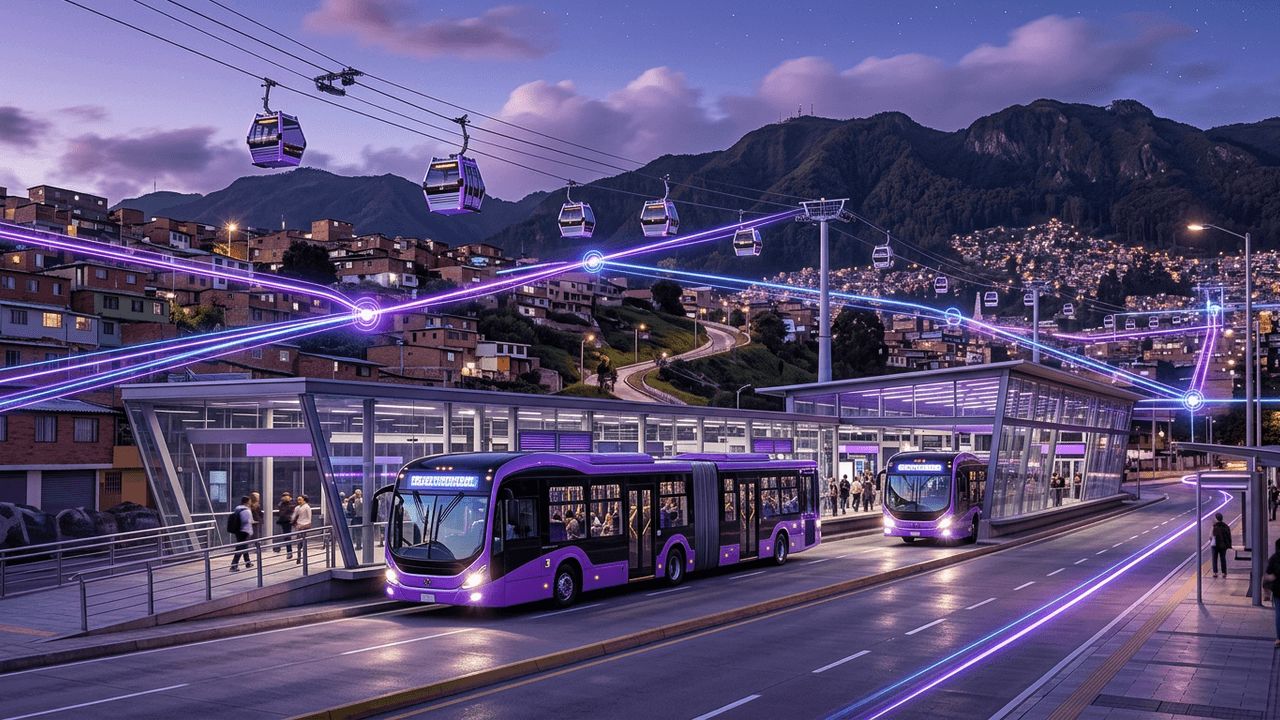
Colombian cities have become global examples of innovative public transportation. Bogotá's TransMilenio inspired bus rapid transit systems worldwide, while Medellín's integration of metro, cable cars, and escalators in hillside neighborhoods demonstrated how transit can transform communities. Today, several cities operate modern transit systems that serve millions of daily passengers.
The ten transit services below are the most important in the country, recognized for their impact, coverage, and innovation.
The Top 10 Public Transit Services in Colombia
1. TransMilenio
TransMilenio is Bogotá's bus rapid transit system and one of the most famous in the world. Its dedicated lanes, stations, and articulated buses carry millions of passengers daily, and its fleet is being modernized with electric and low-emission buses.
2. Metro de Medellín
The Metro de Medellín is the backbone of the city's integrated transit system, connecting the Aburrá Valley with rail lines, trams, buses, and cable cars. It is known for its cleanliness and civic culture.
3. Metrocable
Medellín's Metrocable pioneered urban cable cars as public transport, connecting hillside neighborhoods with the metro. It has improved access to jobs and services for thousands of residents.
4. TransMiCable
Bogotá's TransMiCable connects the Ciudad Bolívar district with the TransMilenio network, dramatically reducing commute times and offering spectacular views.
5. SITP
Bogotá's Integrated Public Transport System (SITP) includes zonal buses that complement TransMilenio, providing coverage across neighborhoods with integrated fares.
6. MIO
Cali's Integrated Mass Transit System (MIO) operates bus rapid transit and feeder routes, and it has introduced a growing fleet of electric buses.
7. Transcaribe
Transcaribe is Cartagena's mass transit system, connecting neighborhoods with the historic center and tourist areas through dedicated corridors.
8. Metrolínea
Metrolínea serves Bucaramanga and its metropolitan area, providing bus rapid transit services for commuters.
9. Megabús
Megabús connects Pereira and nearby municipalities in the Coffee Region, offering efficient transit with dedicated lanes.
10. Transmetro
Transmetro is Barranquilla's bus rapid transit system, serving key corridors in Colombia's fourth-largest city.
Tips for Using Public Transit
Purchase rechargeable cards, such as Bogotá's TuLlave or Medellín's Cívica, to access transit systems. Avoid peak hours when possible, as systems can be very crowded. Keep belongings secure and stay alert in busy stations. Use official apps to plan routes and check schedules.
Benefits of Colombian Transit Systems
Integrated transit systems reduce commute times, improve air quality, and provide affordable mobility. Cable cars and escalators have improved access in hillside communities, contributing to social inclusion and urban renewal.
Trends in Urban Mobility
Electric buses are rapidly expanding, with Bogotá operating one of the largest electric bus fleets outside China. The Bogotá Metro and regional commuter trains will further transform mobility. Integration with bike lanes and shared mobility is becoming a priority.
Future Transit Projects
Several major projects will reshape Colombian mobility in coming years. The first line of the Bogotá Metro and the Regiotram de Occidente commuter line will create a rail backbone for the capital region. Medellín continues expanding its metro-linked network with new cable lines and electric bus corridors. Cali and Barranquilla are also studying new rail and bus rapid transit extensions.
Sustainability in Colombian Transit
Colombia has become a regional leader in electric public transport. Large fleets of electric buses in Bogotá, Medellín, and Cali reduce emissions and noise, improving air quality in dense urban areas.
Cable Cars: A Colombian Innovation
Colombia is widely credited with pioneering the use of aerial cable cars as mass transit. Medellín opened its first Metrocable line in 2004, connecting steep hillside neighborhoods that were previously isolated from the city center. The system was complemented by libraries, parks, and public spaces around stations, making it a model of social urbanism studied worldwide. Bogotá, Cali, and Manizales have since adopted cable systems, and other cities are exploring similar solutions.
Accessibility and Fares
Transit systems in Colombia offer relatively affordable fares, with subsidies for students, older adults, and low-income residents in some cities. Integrated fare systems allow transfers between different modes within a set time. Accessibility improvements, including elevators, ramps, and tactile paving, continue to expand, making public transit easier to use for everyone.
Frequently Asked Questions
Can tourists use public transit easily? Yes. Buy a rechargeable card at stations and use route planning apps to navigate.
Is public transit safe? Transit is widely used and generally safe, but stay aware of your belongings, particularly during crowded rush hours.
Do systems run late at night? Hours vary by city, with most systems operating from early morning until late evening and reduced service on Sundays and holidays.
Transit for Visitors
For tourists, riding public transit is an excellent way to experience local life. In Medellín, a trip on Metrocable Line K followed by the connecting line to Parque Arví offers stunning views and access to a nature reserve. In Bogotá, TransMilenio connects travelers with major attractions such as La Candelaria, museums, and the Usaquén flea market.
Final Thoughts
Columbia's public transit systems showcase how innovation can improve quality of life. Whether you ride TransMilenio in Bogotá or the Metrocable in Medellín, these services offer efficient and affordable ways to explore the country's cities.