
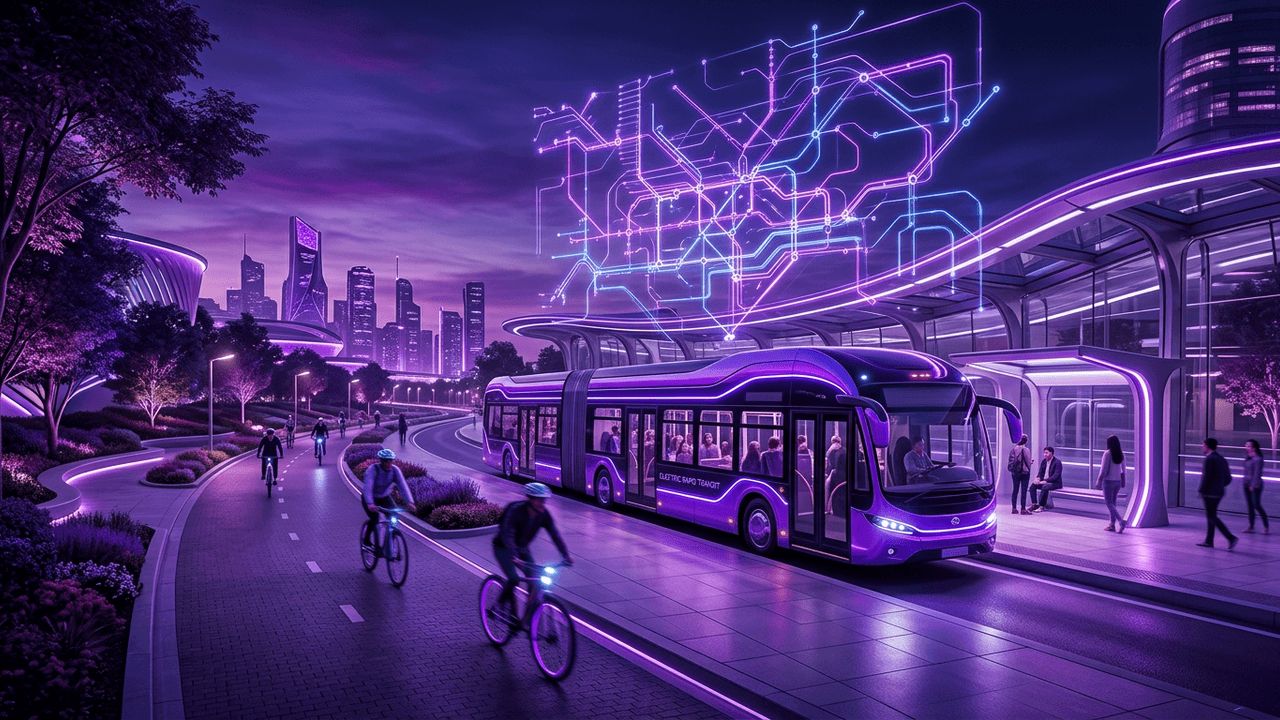
Public Transit in Carmel, Indiana
Carmel has built a reputation for innovative transportation design, especially its hundreds of roundabouts and extensive network of multi-use paths. However, the city does not operate a traditional fixed-route bus system. Most residents drive, walk, or cycle for daily trips. Still, transit options exist for commuters, students, older adults, and visitors, and the regional transit picture continues to evolve.
Understanding the available services helps Carmel residents reduce driving, save money, and stay connected to jobs and amenities across Central Indiana. Here are ten of the most useful public transit and shared mobility services for the Carmel community.
The Top 10 Public Transit and Mobility Services for Carmel
1. IndyGo
IndyGo is the public transit agency serving Indianapolis. Its bus rapid transit lines, including the Red Line, offer frequent service with dedicated lanes and modern stations. Carmel residents can connect to IndyGo routes near the northern edge of Indianapolis to reach downtown, universities, and medical centers.
2. Hamilton County Express
Hamilton County Express is a demand-response transit service open to all county residents. Riders schedule trips in advance, and the service provides door-to-door transportation for work, medical appointments, and errands throughout Hamilton County.
3. Central Indiana Regional Transportation Authority
The Central Indiana Regional Transportation Authority, known as CIRTA, supports commuter programs across the region. Its Commuter Connect program helps residents find carpools, vanpools, and alternative commuting options.
4. Commuter Connect Vanpools
Vanpool programs allow groups of commuters to share a van for daily trips to work. For Carmel residents commuting to large employment centers, vanpooling can significantly reduce costs and stress.
5. Indiana Pacers Bikeshare
Indiana Pacers Bikeshare operates bike stations throughout Indianapolis. Carmel residents visiting downtown can park and ride, using bikeshare to explore the Cultural Trail and nearby attractions.
6. Monon Trail
The Monon Trail is not a transit agency, but it functions as a transportation corridor for thousands of residents. It connects Carmel neighborhoods to the Arts and Design District, Carmel City Center, and Indianapolis, making walking and cycling viable for many trips.
7. Amtrak
Amtrak serves Indianapolis Union Station with intercity rail service. Carmel residents traveling to Chicago or cities to the east can use Amtrak as an alternative to driving or flying.
8. Greyhound
Greyhound connects Indianapolis with cities across the country. It provides affordable long-distance travel for residents without access to a car or those who prefer not to drive.
9. Lime Scooters and E-Bikes
Lime operates shared scooters and e-bikes in the Indianapolis area. These micro-mobility options are convenient for short trips, especially when combined with transit connections.
10. Senior and Accessible Transportation Programs
Several nonprofit and community organizations in Hamilton County provide transportation for older adults and people with disabilities. These programs ensure residents can reach medical appointments, grocery stores, and community events.
Why Carmel Has Limited Fixed-Route Transit
Like many suburban communities, Carmel developed around the automobile, with lower population density than urban centers. Fixed-route buses require high ridership to operate efficiently. However, Carmel's growing density in areas like City Center, Midtown, and along Range Line Road is creating new opportunities for transit. Regional discussions continue about expanding service between Hamilton County and Indianapolis.
The Role of Active Transportation
Carmel has invested heavily in sidewalks, multi-use paths, and trails. The Monon Trail, the Midtown Plaza, and connected neighborhood paths make walking and cycling practical for short trips. Many residents bike to work, school, shops, and restaurants. This active transportation network is a key part of Carmel's mobility strategy and contributes to its high quality of life.
Tips for Using Transit From Carmel
Plan trips using transit apps that show real-time arrivals and route options. For IndyGo, consider driving to a park-and-ride location or a station near the northern edge of Indianapolis. Schedule Hamilton County Express trips well in advance, as demand can be high. Combine cycling on the Monon Trail with transit connections for efficient, low-cost travel.
Transit Trends in Central Indiana
Central Indiana is investing in rapid transit, regional connections, and micro-mobility. IndyGo continues to expand its rapid transit network, and regional planners are studying improved links to Hamilton County. Electric buses, on-demand microtransit, and integrated fare payment systems are among the innovations shaping the future. As Carmel grows, demand for transit options will likely increase.
Commuting Options for Carmel Workers
Many Carmel residents commute to downtown Indianapolis, the Keystone at the Crossing area, or employment centers along the US-31 corridor. Carpooling and vanpooling through regional commuter programs can cut fuel and parking costs significantly. Some employers offer transit benefits, flexible schedules, and remote work options that reduce commuting altogether. Combining an e-bike ride on the Monon Trail with an IndyGo connection is another increasingly popular option for commuters who work near rapid transit lines.
For people who do not drive, including teenagers, older adults, and residents with disabilities, transit and community transportation services are essential lifelines. Planning trips in advance and learning the scheduling systems for demand-response services helps ensure reliable access to jobs, healthcare, and daily needs.
Final Thoughts
Although Carmel is a car-oriented city, residents have more transit and mobility options than many people realize. IndyGo and Amtrak connect to the wider region, Hamilton County Express provides on-demand county service, and the Monon Trail makes walking and cycling practical. By combining these options, Carmel residents can reduce driving and enjoy a more connected lifestyle.