
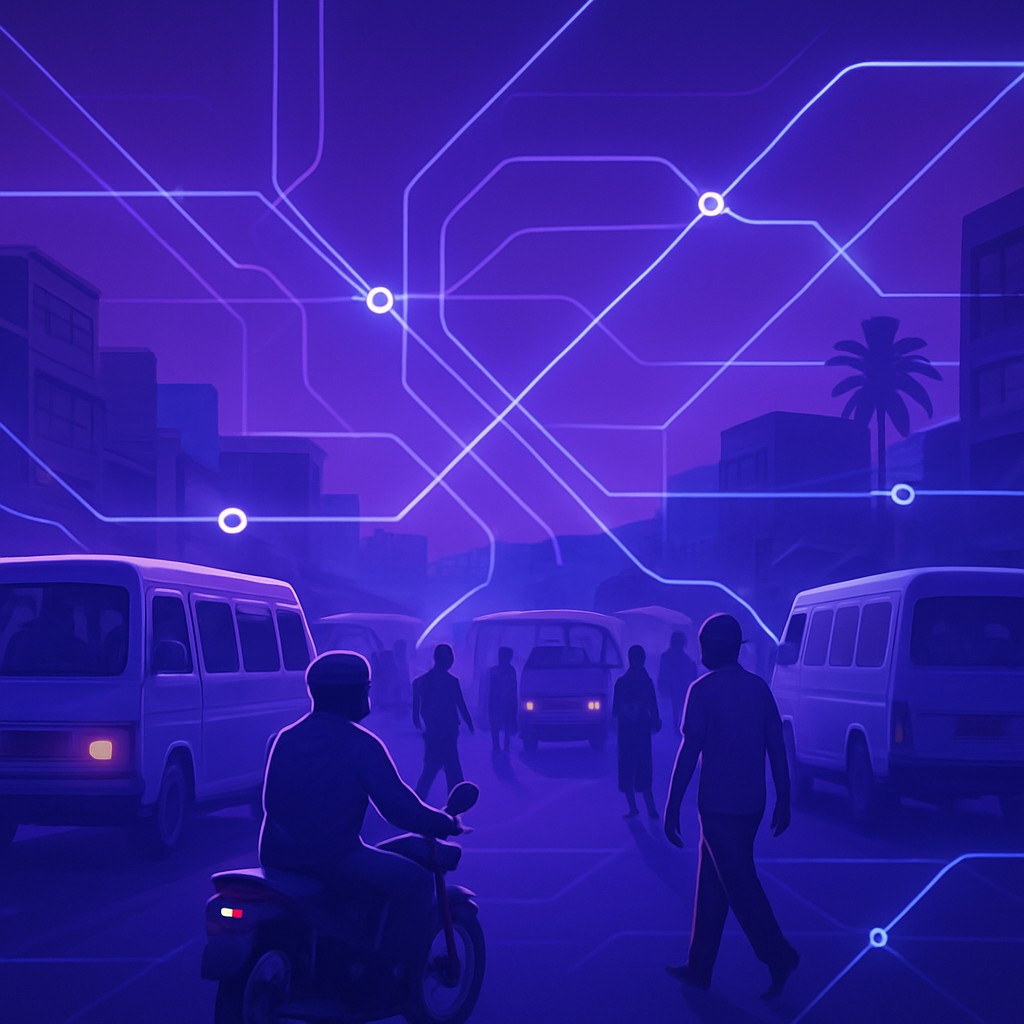
Public Transit at the Heart of Daily Life
For the vast majority of Burundians, public transit is the primary means of getting to work, school, markets, and family. In a country where private car ownership remains limited, affordable and accessible public transport is essential to daily life and economic activity. From shared minibuses to motorcycle taxis and bicycle taxis, a diverse range of services keeps cities and towns moving, particularly in the bustling capital of Bujumbura.
Public transit in Burundi is characterized by its variety and adaptability. Different modes serve different needs, from longer urban routes to short, last-mile journeys through busy streets. Understanding the leading services helps residents and visitors navigate the country efficiently and affordably.
The Importance of Affordable Mobility
Affordable public transit is a cornerstone of economic inclusion in Burundi. It connects workers to jobs, students to schools, and traders to markets, enabling participation in the economy. Reliable transit also supports social connections and access to healthcare and services. The affordability and reach of public transport directly affect the quality of life for millions of Burundians.
Leading Public Transit Services in Burundi
Several operators and modes define public transit in Burundi. Otraco (Office des Transports en Commun) is the established public transport operator, running bus services across Bujumbura and providing affordable, organized urban mobility. Bujumbura Minibus Cooperative coordinates the ubiquitous shared minibuses, or taxis-bus, that form the backbone of city transport.
Twegerane Transport Cooperative and Bujumbura Taxi-Voiture Association provide shared and private taxi services, valued for flexibility. City Bus Burundi operates scheduled routes connecting key urban areas.
Other important services include Taxi-Moto Operators Union, representing the motorcycle taxis that excel at last-mile travel, Velo-Taxi Cooperative, offering affordable bicycle taxi rides, Gitega Transit Services, serving the political capital, Provincial Minibus Network, connecting towns across the provinces, and Urban Mobility Burundi, which coordinates organized routes. Together they create a flexible transit ecosystem.
Minibuses: The Backbone of Urban Transport
Shared minibuses are the most common form of public transport in Burundi's cities. Affordable and frequent, they follow established routes and pick up passengers along the way. While they can be crowded during peak hours, their low cost and extensive coverage make them indispensable for daily commuters. Cooperatives help organize routes and maintain standards across the minibus network.
Motorcycle and Bicycle Taxis
For short trips and last-mile connections, motorcycle taxis, known locally as taxi-motos, are extremely popular. They navigate traffic and reach areas that larger vehicles cannot, offering speed and convenience. Bicycle taxis, or velo-taxis, provide an even more affordable option for short distances, particularly in smaller towns and rural areas. Both play a crucial role in completing journeys.
Connecting Towns and Provinces
Beyond the cities, public transit connects Burundi's towns and provinces. Minibuses and shared taxis run between population centers, linking rural communities to urban markets and services. These connections are vital for trade, access to healthcare, and social ties, ensuring that even remote areas remain part of the national fabric.
Improving Safety and Organization
Efforts to improve public transit in Burundi focus on safety, organization, and service quality. Cooperatives and associations help regulate fares, maintain vehicles, and organize routes, bringing greater order to the system. Encouraging the use of helmets for motorcycle taxis and improving vehicle maintenance are ongoing priorities that enhance passenger safety and confidence.
Tips for Using Public Transit
Visitors and residents can make the most of public transit by understanding the different modes and their best uses. Minibuses are ideal for longer urban routes, motorcycle taxis for quick trips and avoiding traffic, and bicycle taxis for short, affordable journeys. Confirming fares in advance and traveling during daylight when possible helps ensure a smooth experience.
The Future of Public Transit in Burundi
As Burundi's cities grow, the demand for efficient, affordable public transit will continue to rise. Investment in organized routes, safer vehicles, and better infrastructure promises to improve the experience for millions of passengers. The services highlighted here demonstrate the adaptability and accessibility that make public transit the lifeblood of mobility in Burundi, keeping the nation connected and on the move.