
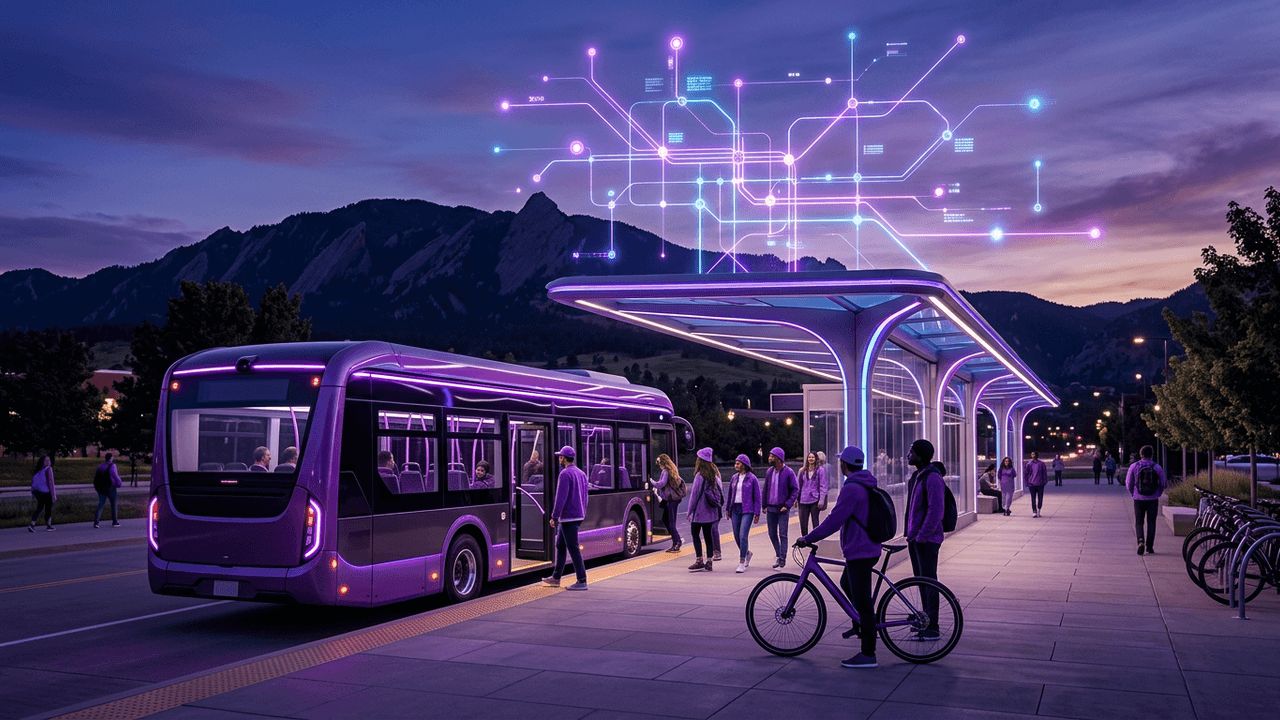
Public Transit in Boulder
Boulder has a long-standing commitment to sustainable transportation. The city has invested heavily in bus service, bike paths, and multimodal connections to reduce traffic congestion and greenhouse gas emissions. As a result, residents and visitors can get around Boulder and travel to Denver and the airport without a car.
The transit system combines regional services operated by the Regional Transportation District with city-supported community routes, university shuttles, and shared micromobility. Together, these options create a practical and affordable network for daily life.
How We Selected These Services
We evaluated coverage, frequency, accessibility, convenience, and value. The list includes services for commuting, airport travel, campus mobility, and short trips around town.
The Top 10 Public Transit Services in Boulder
1. RTD Local Bus Service
RTD's local routes form the foundation of Boulder's transit system, connecting neighborhoods, shopping centers, and employment hubs. Real-time tracking and mobile ticketing make trips easy to plan.
2. HOP
The HOP is a high-frequency circulator connecting downtown Boulder, the University of Colorado campus, University Hill, and the Twenty Ninth Street area. It is ideal for quick trips around the city center.
3. SKIP
The SKIP runs along Broadway, one of Boulder's main corridors, providing frequent service between north and south Boulder. It is one of the most heavily used routes in the city.
4. JUMP and BOLT
The JUMP connects Boulder with Lafayette and Erie, while the BOLT links Boulder and Longmont. These regional community routes support commuters traveling between Boulder and neighboring towns.
5. Flatiron Flyer
The Flatiron Flyer provides fast bus rapid transit between Boulder and Denver along US 36, with frequent service and stops at key park-and-ride locations.
6. AB Airport Route
The AB route offers direct service from Boulder to Denver International Airport, providing a reliable and affordable airport connection.
7. FLEX
The FLEX connects Boulder with Longmont, Loveland, and Fort Collins, serving commuters and students across Northern Colorado.
8. Bustang
Colorado's statewide intercity bus service, Bustang, connects the Front Range with regional destinations and is expanding service options for Boulder travelers.
9. CU Buff Bus
The university's Buff Bus provides free service between campus buildings and student housing, supporting thousands of riders each semester.
10. Lime Shared E-Bikes and Scooters
Boulder's shared micromobility program offers electric bikes and scooters for short trips and first-mile and last-mile connections to transit. It complements the bus network and the city's extensive bike paths.
Transit Trends in Boulder
Boulder and Boulder County are pursuing zero-fare and reduced-fare programs for certain populations, expanding access to transit. Bus electrification is underway, and new bus rapid transit corridors are being planned on major roads. Integration between buses, bikes, and micromobility continues to improve.
Tips for Using Public Transit in Boulder
Download the official transit app for real-time arrivals and mobile tickets. Check whether your employer or school provides an EcoPass or similar program for free or discounted rides. Combine biking and transit using bus bike racks, and plan ahead for reduced service on weekends and holidays.
Car-Free Living in Boulder
Many Boulder residents live comfortably without owning a car, combining buses, bikes, walking, and occasional car-share or rideshare trips. The city's network of multi-use paths and underpasses means cyclists can travel across town while avoiding major intersections. Buses equipped with bike racks extend the range of cyclists, allowing them to ride one way and take transit back, or to reach trailheads and neighboring towns.
Transit also supports Boulder's climate goals. Every trip shifted from a private car to a bus or bike reduces emissions and congestion, and the city continues to invest in infrastructure to make sustainable transportation the easiest choice.
Frequently Asked Questions
How do I pay for the bus? Riders can use the official mobile ticketing app, a smart card, or exact cash fare on board. Many residents ride with an EcoPass.
Is the transit system accessible? Yes. Buses are equipped with ramps or lifts, and paratransit services are available for eligible riders who cannot use fixed-route service.
Can visitors use transit to reach trailheads? Some trailheads are accessible by bus, and seasonal shuttles have served popular destinations. Check current schedules before planning a car-free hike.
Key Takeaways for Boulder Readers
Boulder's transit network works best when you combine its pieces. Use community routes for quick trips across town, regional buses for commuting to Denver and nearby cities, the airport route for affordable travel to flights, and shared e-bikes or your own bike for the first and last mile. Check whether you qualify for a pass program, download the official trip planning app, and explore the city's bike path network to discover how easy car-free travel can be.
Conclusion
Boulder's public transit services make car-free living practical and enjoyable. From frequent community routes like the HOP and SKIP to regional connections and shared e-bikes, the city offers a well-rounded network that supports sustainability and convenience.