
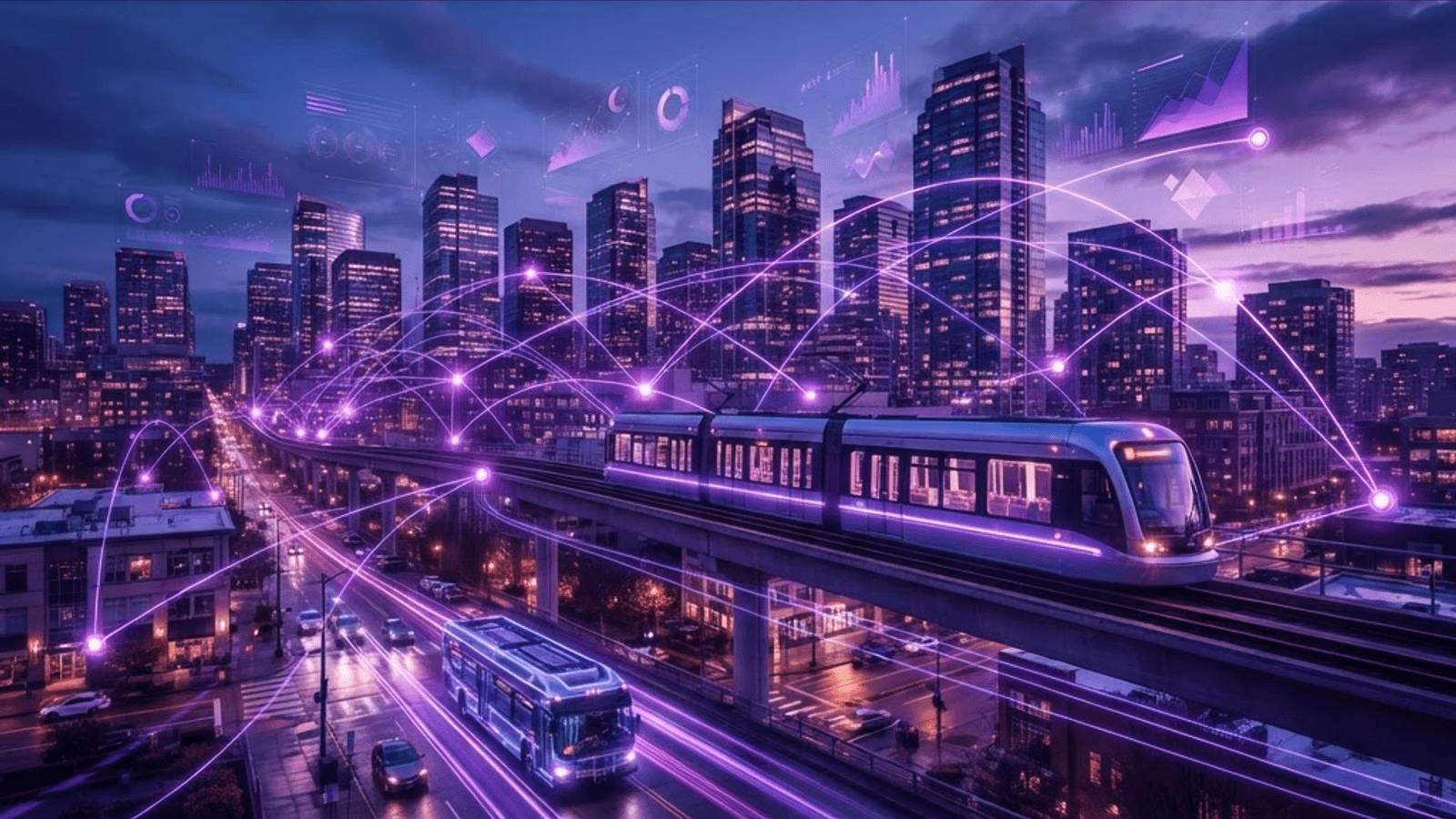
Getting Around Bellevue Without a Car
For decades, Bellevue was viewed as a car-dependent suburb. That picture has changed dramatically. The arrival of light rail on the Eastside, expanded bus rapid transit, and on-demand shuttles have transformed how residents, commuters, and visitors move around the city. Downtown Bellevue, the Spring District, Wilburton, and Overlake are now connected by high-capacity transit, and new transit-oriented neighborhoods are rising around stations.
Public transit offers more than convenience. It helps commuters avoid congestion on Interstate 405 and State Route 520, reduces parking costs, and supports Bellevue's environmental goals. This guide highlights the ten transit services that deliver the most value for people living in or traveling through Bellevue.
How We Ranked These Transit Services
We evaluated frequency, coverage, reliability, accessibility, fare integration, and how well each service connects Bellevue to the wider Puget Sound region. We also considered specialized services for riders with disabilities and flexible options for neighborhoods that are not served by fixed routes.
The Top 10 Public Transit Services in Bellevue
1. Sound Transit 2 Line Light Rail
The 2 Line is the most significant transit addition in Bellevue's history. It links South Bellevue, East Main, Downtown Bellevue, Wilburton, the Spring District, and BelRed with Redmond's Overlake area, offering frequent all-day service free from traffic congestion. As the line connects across Lake Washington to Seattle, it creates a fast rail link between the region's two largest job centers.
2. King County Metro
King County Metro operates the backbone bus network serving Bellevue neighborhoods, schools, and shopping districts. Routes connect Bellevue Transit Center with Eastgate, Factoria, Crossroads, Kirkland, Renton, and Issaquah. Metro's service redesigns have focused on connecting buses directly to light rail stations, making transfers easier and trips faster.
3. RapidRide B Line
The RapidRide B Line is a bus rapid transit route running between Bellevue and Redmond through Crossroads and Overlake. It offers frequent service, real-time arrival signs, and off-board fare payment for faster boarding. The B Line is particularly useful for residents traveling between neighborhoods that are not directly on the light rail alignment.
4. Sound Transit ST Express
ST Express buses provide regional connections from Bellevue to Seattle, Bothell, Lynnwood, Renton, Burien, and Issaquah. These limited-stop routes use freeway express lanes and are a favorite for longer commutes. They complement light rail by reaching communities that rail does not yet serve.
5. Metro Flex On-Demand Service
Metro Flex is King County Metro's on-demand rideshare-style service operating in selected zones. Riders book trips through an app or by phone and are picked up by shared vans for short trips within a service area or to transit hubs. It is an innovative first-mile and last-mile solution that fills gaps in areas with limited bus coverage.
6. Access Transportation
Access Transportation provides paratransit service for riders whose disabilities prevent them from using regular buses or trains. It offers shared, door-to-door rides throughout King County, including Bellevue. Its presence ensures that public transit remains accessible and inclusive for everyone in the community.
7. Metro Vanpool
Metro Vanpool is one of the largest public vanpool programs in the country. Groups of commuters share a van for regular trips to work, splitting costs while reducing traffic and emissions. It is especially popular with employees commuting from outlying communities to Bellevue's major office campuses.
8. ORCA Card Network
The ORCA card is the regional fare system that ties everything together. A single card or mobile app works across King County Metro, Sound Transit, and several other agencies in the region. Many Bellevue employers provide ORCA Business Passports, making transit nearly free for employees and encouraging car-free commuting.
9. Sound Transit 1 Line Connections
While the 1 Line does not run through Bellevue, it connects to the regional network and provides direct service to Seattle-Tacoma International Airport, downtown Seattle, and the University of Washington. For Bellevue residents traveling to the airport or major Seattle destinations, the 1 Line is a vital link reached through transfers.
10. Amtrak Cascades
For intercity travel, Amtrak Cascades connects the Puget Sound region with Portland, Vancouver in British Columbia, and cities in between. Bellevue residents reach it easily from Seattle's King Street Station using regional transit. It offers a scenic and relaxing alternative to driving or flying for regional trips.
Transit Trends Transforming Bellevue
Transit-oriented development is reshaping Bellevue's skyline, with apartments, offices, and retail rising around light rail stations. Planned bus rapid transit along Interstate 405 will add fast north-south connections between Lynnwood, Bellevue, and Burien. Electric buses are gradually replacing diesel fleets, and digital fare payment is becoming the norm. The city is also investing in safer walking and biking routes to stations, recognizing that easy access is as important as service frequency.
Tips for Riding Transit in Bellevue
Download a trip-planning app that shows real-time arrivals for both buses and trains. Load your ORCA card or mobile wallet in advance and check whether your employer offers subsidized passes. If you commute during peak hours, plan transfers at Bellevue Transit Center or the Downtown Bellevue station for the most frequent connections. Riders with mobility needs should explore reduced fare programs and Access Transportation eligibility.
Conclusion
Bellevue's public transit network has matured into a genuine alternative to driving. The 2 Line light rail, King County Metro buses, RapidRide, and ST Express form a strong core, while Metro Flex, Access Transportation, and Vanpool fill important gaps. With ongoing investment and new connections on the way, transit in Bellevue will only become more convenient, sustainable, and essential in the years ahead.