
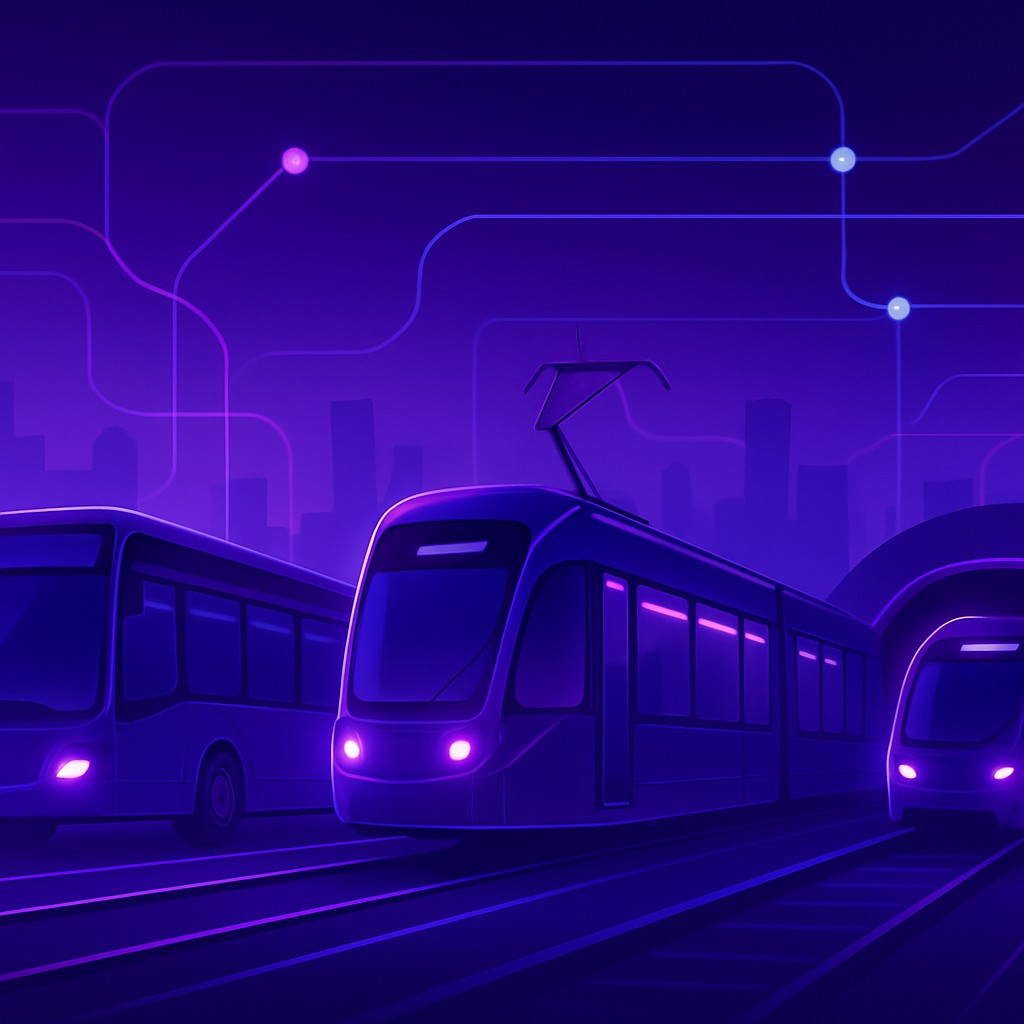
A Strong Tradition of Public Transit
Public transportation is deeply woven into daily life in Belarus. Cities are served by extensive, affordable, and well-coordinated networks of buses, trolleybuses, trams, and, in the capital, a modern metro. This emphasis on accessible mass transit reflects decades of investment in urban mobility and continues to make car-free living practical for millions of residents.
The system is notable for its reliability, low fares, and broad coverage. Frequent service, integrated ticketing, and well-maintained vehicles ensure that residents and visitors can move around cities and between regions with ease.
The Minsk Metro
The Minsk Metro is the crown jewel of public transit in Belarus. Serving the capital with multiple lines and a steadily expanding network, it offers fast, frequent, and dependable service that bypasses surface traffic entirely. Clean stations, short waiting times, and high capacity make it the backbone of mobility in the city, carrying enormous numbers of passengers daily.
Trolleybuses, Trams, and Buses
Beyond the metro, electric trolleybuses form a major part of urban transport, offering quiet, emission-free travel along extensive routes. Minsktrans, the operator responsible for buses, trolleybuses, and trams in the capital, runs one of the largest and most comprehensive municipal transport networks in the region.
Trams continue to serve key corridors in several cities, providing high-capacity transport along dedicated lines. Regional operators such as those in Gomel, Vitebsk, Brest, and Mogilev maintain their own networks of buses and trolleybuses, ensuring strong coverage across the country. Intercity bus services connect towns and cities efficiently, complementing the rail network for regional travel.
Ticketing and Convenience
Public transit in Belarus has embraced digital convenience. Contactless payment cards, mobile ticketing, and integrated fare systems allow passengers to move seamlessly across different modes of transport. Affordable monthly passes encourage regular ridership, while clear schedules and route information make the system easy to navigate for newcomers.
Industry Trends
Electrification and modernization are leading trends, with cities upgrading fleets to newer, more comfortable, and energy-efficient vehicles. Electric buses are being introduced alongside the established trolleybus networks, reinforcing the country's strong tradition of clean urban transport. Digital innovations, including real-time arrival information and mobile apps, are improving the passenger experience and making transit more predictable.
There is also continued investment in expanding the metro and improving accessibility, with low-floor vehicles and better facilities for passengers with reduced mobility. Sustainability and reduced urban congestion remain central goals.
Benefits of Public Transit
The benefits of Belarus's public transit are clear. Low fares make mobility accessible to people of all income levels, while frequent and reliable service supports productivity and daily routines. Extensive electric transport reduces emissions and improves air quality in cities. For residents, a strong transit system reduces dependence on private cars, easing congestion and lowering household transport costs.
For visitors, the affordable and well-organized network makes exploring cities straightforward and economical, with easy connections between attractions, stations, and neighborhoods.
Navigating the System
Travelers can make the most of public transit by purchasing rechargeable transit cards, downloading official transport apps for schedules and routes, and taking advantage of integrated fares that allow transfers between modes. The metro is ideal for fast cross-city travel, while trolleybuses and buses provide flexible coverage of neighborhoods and suburban areas.
Conclusion
Public transit in Belarus stands as a model of affordable, reliable, and environmentally conscious urban mobility. From the efficient Minsk Metro to the extensive trolleybus and bus networks operated by Minsktrans and regional providers, the system keeps the country connected and moving. Ongoing modernization promises an even cleaner, smarter, and more convenient transit experience in the years ahead.