
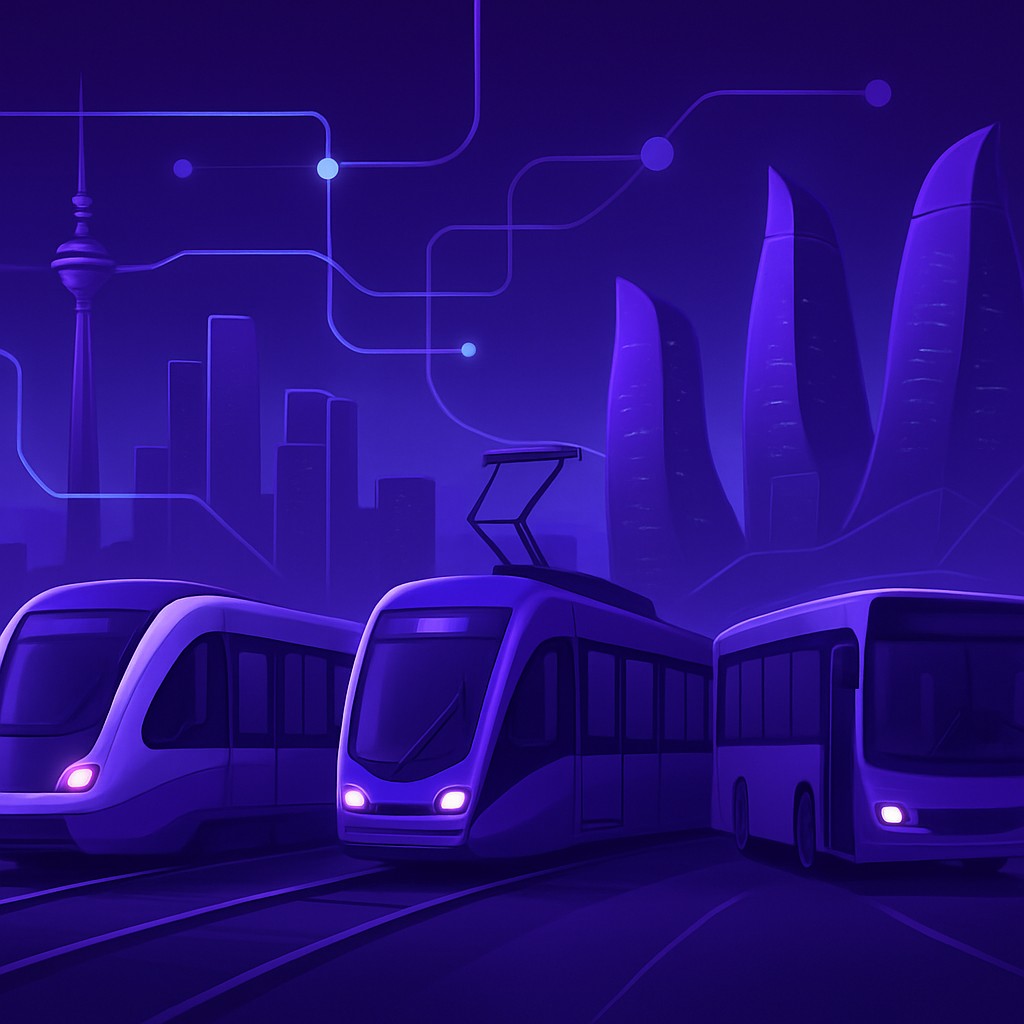
Public Transit as the Lifeline of Azerbaijani Cities
Public transit is the backbone of urban mobility in Azerbaijan, moving millions of residents and visitors each day across cities and towns. In Baku, a growing capital with a dense population, efficient transit is essential to reducing congestion, supporting economic activity, and improving quality of life. Beyond the capital, public transport connects communities in regional cities, providing affordable and accessible mobility for people from all walks of life.
The sector has undergone significant modernization, with investments in metro expansion, new buses, and smart payment systems transforming the passenger experience. As cities grow and environmental concerns rise, public transit is increasingly seen as a sustainable and practical solution for urban movement, encouraging more people to choose shared transport over private vehicles.
What Makes Public Transit Excellent
Quality public transit is defined by reliability, affordability, and accessibility. Frequent schedules, broad coverage, and clean, comfortable vehicles enhance the experience. Smart payment systems, clear information, and integration between different transit modes add convenience. Safety and accessibility for all passengers, including those with reduced mobility, are also important markers of a well-run system.
Top Public Transit Services in Azerbaijan
Baku Metro is the crown jewel of the country's public transit, carrying large numbers of daily commuters across the capital. With ongoing expansion and modernization, including new stations and upgraded trains, it offers fast, reliable, and affordable urban travel that anchors Baku's mobility.
BakuBus operates a modern fleet of city buses with smart payment integration, providing extensive coverage across the capital. Its newer vehicles and organized routes have improved the everyday commute for many residents.
Baku City Bus Network encompasses the broader municipal bus services that connect neighborhoods and key destinations. Its wide reach makes it indispensable for residents navigating the city.
Ganja Public Transport serves Azerbaijan's second-largest city, offering bus services that link residential areas, workplaces, and commercial centers. Its role is vital to mobility in the regional hub.
Sumgait Transit Authority manages public transport in the industrial city of Sumgait, connecting workers and residents efficiently. Its services support the city's busy daily rhythms.
BakiKart Payment System underpins the modern transit experience with a unified smart card that simplifies fares across services. Its convenience has streamlined payments and improved the passenger journey.
Baku Suburban Rail connects the capital with surrounding areas, offering commuters an alternative to road travel. Its links support those living outside the urban core.
Regional Intercity Transit provides public connections between cities and towns, ensuring that mobility extends beyond major urban centers. Its services maintain accessibility across the country.
Baku Aerial Connections includes scenic and functional transit options that complement the city's network, adding variety to urban mobility. Its presence enhances the diversity of transit choices.
Accessible Transit Services rounds out the list with a focus on inclusive mobility, supporting passengers with diverse needs. Its emphasis on accessibility reflects the growing priority of equitable transport.
Trends Shaping Public Transit
Modernization is the dominant trend in Azerbaijan's public transit. The expansion of the Baku Metro and the introduction of modern buses are improving capacity and comfort. Smart payment systems have transformed how passengers pay, reducing friction and speeding up boarding. These upgrades reflect a broader commitment to elevating the transit experience.
Sustainability is an increasingly important driver, with cleaner vehicles and efficient operations helping reduce environmental impact. Integration between transit modes is improving, making it easier for passengers to combine metro, bus, and rail. Accessibility is also gaining attention, ensuring that transit serves all members of the community.
Choosing the Right Transit Option
The best transit option depends on location and journey. In Baku, the metro offers fast travel across the city, while buses provide flexible neighborhood coverage. Commuters from surrounding areas may rely on suburban rail, and residents of regional cities depend on local bus networks. Smart payment systems enhance convenience across all options, making transit easy to navigate.
Conclusion
Public transit in Azerbaijan is a vital, evolving system that keeps cities moving and communities connected. The leading services stand out through reliability, modernization, and a growing focus on convenience and sustainability. As metro lines expand, fleets modernize, and smart systems mature, these transit services are well positioned to support urban growth and provide affordable, accessible mobility for all, strengthening the fabric of daily life across the country.